Popular Searches
Explore by Intention
Your wishlist is currently empty.
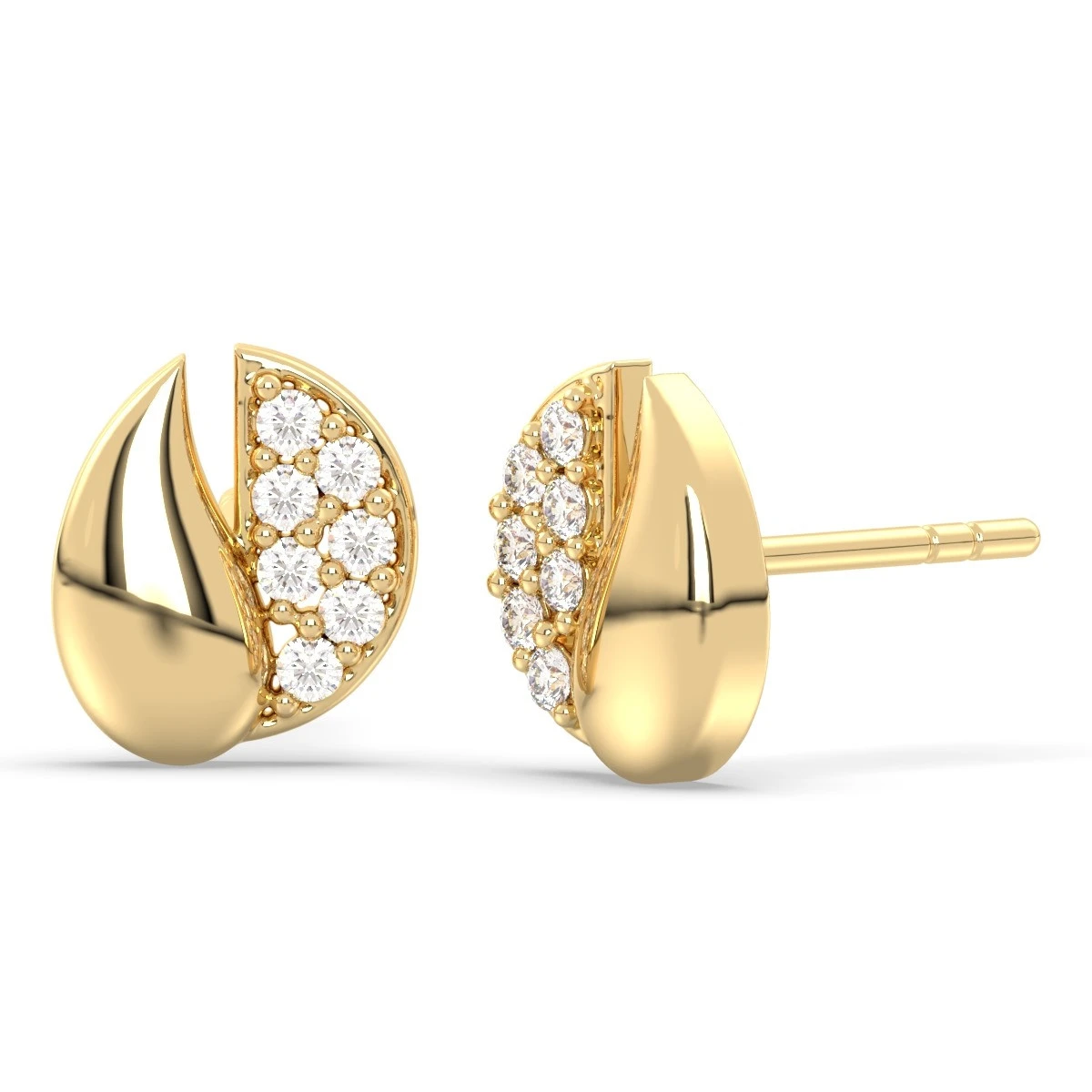
Janette White Topaz stud earrings
$52.00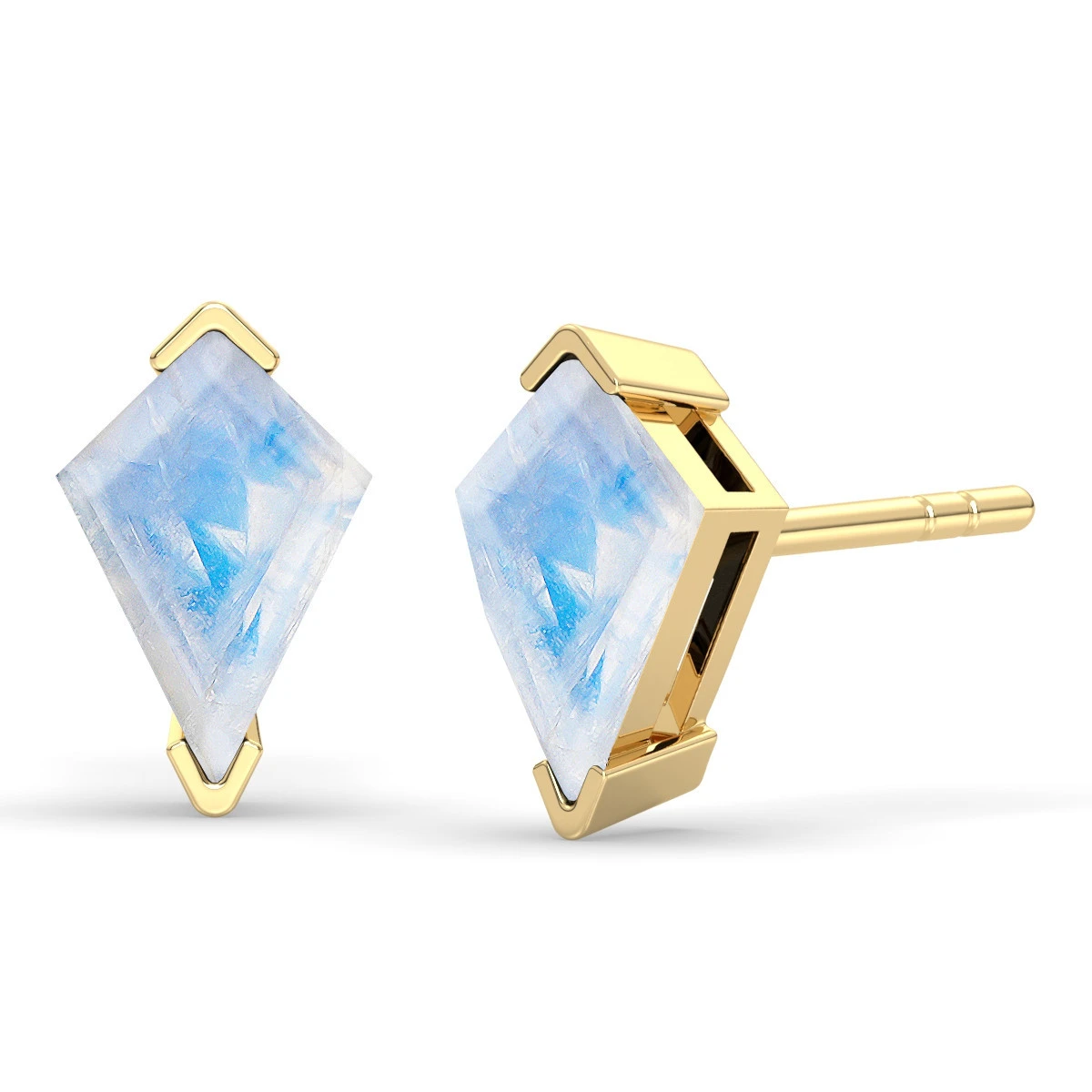
Rainbow Moonstone kite stud earrings
$68.00
Labradorite Rose Cut studs in 18K Gold Plated
$52.00Your Cart
0 ItemsYour Cart is empty
Start ShoppingFind What Resonates
With You
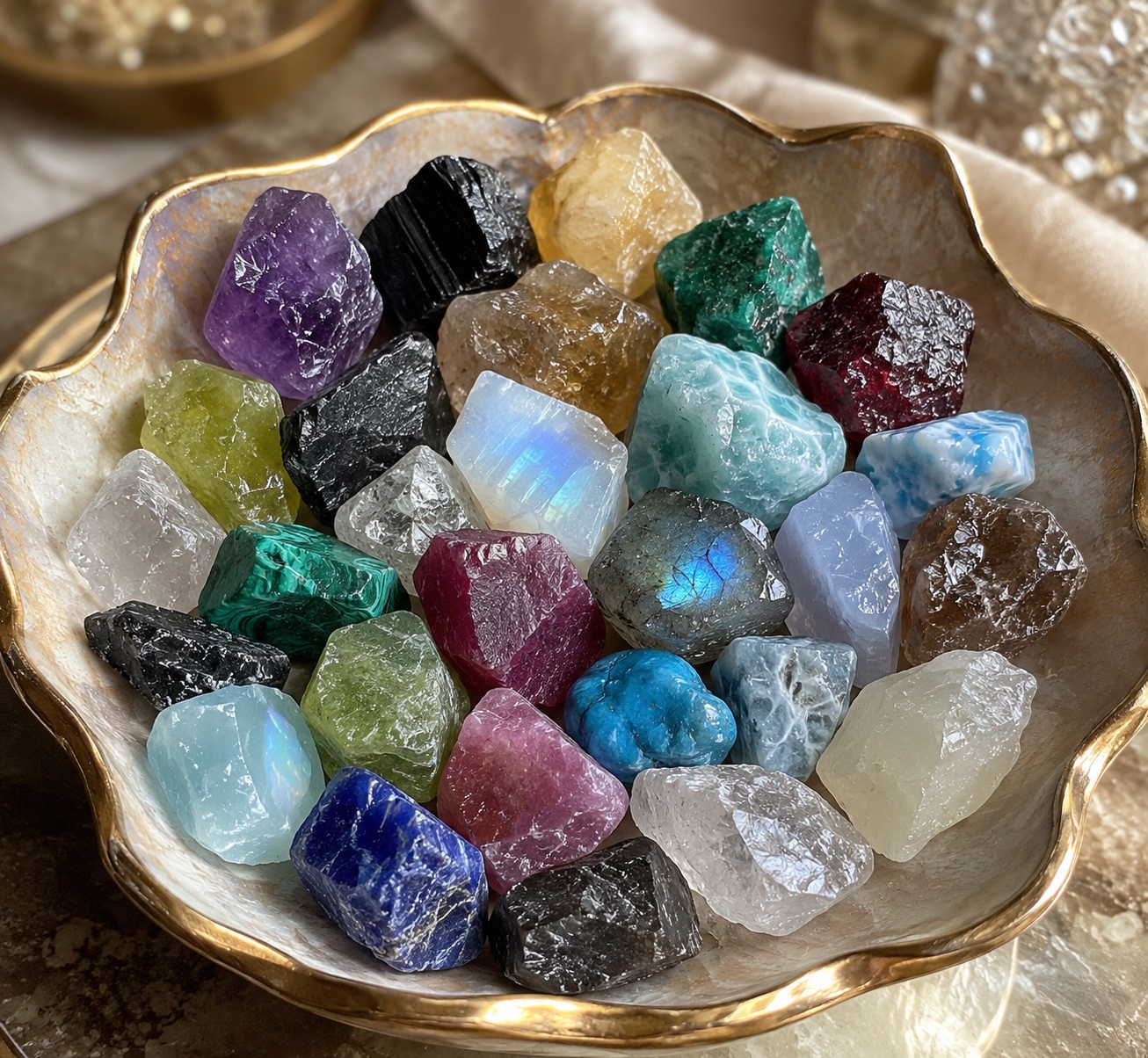
Discover the perfect gemstone for you
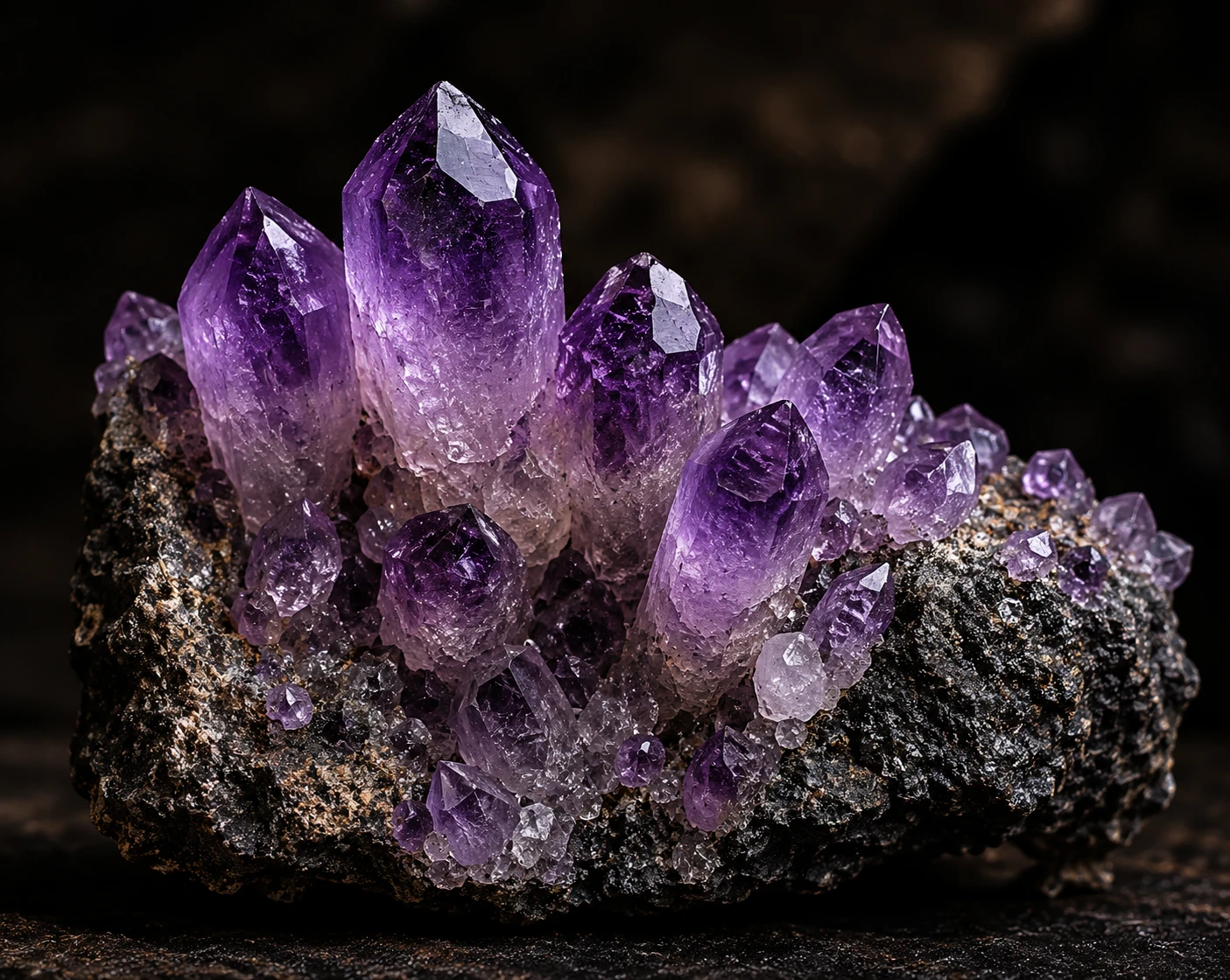
Amethyst
Black Onyx
Citrine
Emerald
Garnet
Green Onyx
Labradorite
Larimar
London Blue Topaz
Malachite
Opal
Peridot
Rainbow Moonstone
Rose Quartz
Ruby
Sapphire
Sky Blue Topaz
Smoky Quartz
Tanzanite
Tourmaline
Turquoise
White Topaz
Shop By
Explore our curated collections
Birthstone
Discover by your birth monthZodiac Sign
Find your astrological match
Your Cart
Your Cart is empty
Continue Shopping
Amethyst Buying Guide: Everything a Buyer Must Know
There's a reason amethyst jewelry keeps showing up everywhere, from grandmother's heirloom rings to the newest statement pieces on the market. That deep purple has staying power. But actually finding a piece that's authentic, well-made, and worth the price? That part gets messy fast.
Consider this your practical amethyst guide; the kind you'd want if a friend who actually knows gemstones sat down and walked you through it. Whether you're comparing stones, trying to make sense of amethyst stone price, or just want to know what separates a decent piece from an exceptional one, that's what we're covering here: the qualities that actually determine value, how to choose well, what amethyst stone benefits people talk about, and real numbers on pricing.

(Image credits - Unsplash)
What Is an Amethyst Gemstone?
Amethyst is just purple quartz. Nothing exotic about the base mineral; what makes it special is the saturated color and the fact that it holds up to daily wear. It sits at a 7 on the Mohs hardness scale, which is solid enough for rings and bracelets when the setting is done right. People have been drawn to this amethyst gem for centuries, and honestly, it's not hard to see why once you've held a good one in decent light.
There's an old story behind the name, too. Amethystos is Greek, and it roughly translates to "a remedy against drunkenness." Ancient wearers genuinely believed the stone kept them clear-headed, of all things. Silly as that sounds now, the idea of amethyst standing for clarity and calm never really went away.
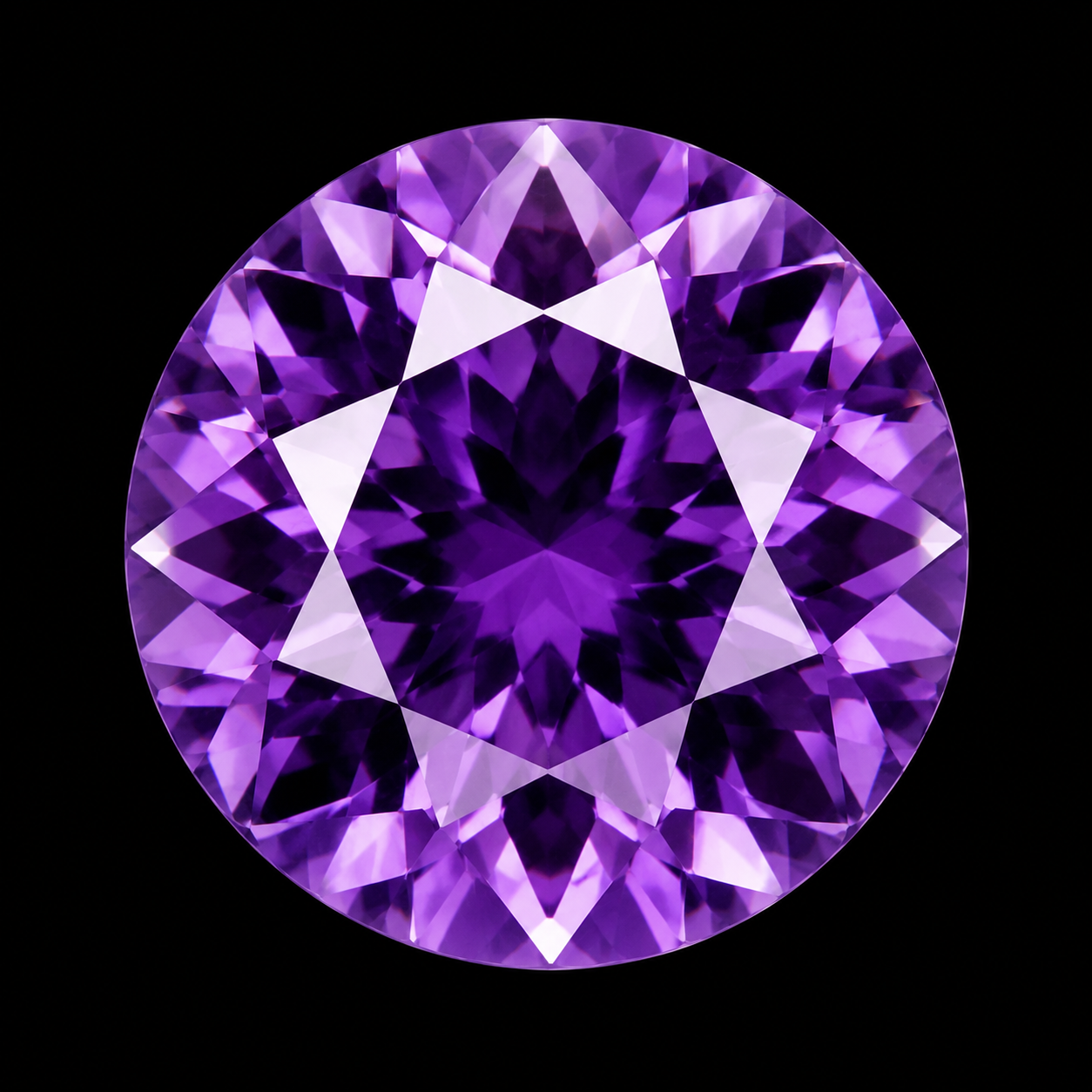
Color is where most of the value conversation starts. The best stones show a rich violet with just a hint of red or blue underneath — some dimension to it, not flat purple. Go too light, and the stone looks washed out. Go too dark, and you lose the brilliance the second the lighting dims.
Where to Find Amethyst Gemstone?
Geography plays into this too, though maybe less than people assume. Amethyst gem deposits turn up in Brazil, Zambia, Uruguay, and Russia, and each region tends to have its own personality. Zambian material often runs deeper and inkier, while Brazilian stones lean lighter and brighter. Origin nudges the shade and clarity in one direction or another, but at the end of the day, quality still matters more than where the stone came from.
Amethyst as a Birthstone
Then there's the birthstone angle. Amethyst belongs to February, tied to clarity and composure, and it's been given as a meaningful gift for milestones for a long time now. Fun fact: it also happens to be the traditional gift for a 6th wedding anniversary. A lot of couples end up reading through an amethyst engagement ring buying guide when they want something symbolic but not the usual choice. Curious what it means for your own month or milestone? Our amethyst birthstone guide gets into that in more depth.
What Drives the Pricing
Pricing, unsurprisingly, comes down to a handful of things: color intensity, transparency, how well it's cut, and size. Quartz being so plentiful means larger stones stay relatively affordable; you're not paying diamond-style premiums just because a stone is bigger. But push into deeply saturated, exceptionally clean material, the kind that ends up in fine amethyst jewelry, and prices climb fast.
So what does that look like in actual dollars? Commercial-grade amethyst is cheap, often well under $50 a carat. Get into that rare, richly saturated, near-flawless material and the price jumps noticeably. Origin and grading shift things a little at the margins, sure, but color and clarity are really doing the heavy lifting here, not carat weight.

(Image credits - Unsplash)
What Makes Amethyst a Valuable Gemstone?
Value isn't arbitrary with amethyst. This amethyst quality guide really comes down to four things working together: cut, clarity, color, and carat weight.
Cut: Cut controls how light behaves inside the stone. A well-proportioned cut brings out brightness and lets that purple really sing; a bad one just makes everything look flat, no matter how good the rough material was. You'll see it most commonly in oval, cushion, emerald, pear, and round shapes, and each one gives the finished piece a slightly different personality.
Clarity: Clarity matters almost as much. A properly graded amethyst gemstone should look eye-clean — no visible inclusions without magnification. Cloudiness kills vibrancy fast, while better transparency lets the color read crisp instead of muddy.
Color: Color saturation is where things get more subjective, but the general rule holds: even, uniform purple wins. Zoning or dull patches drag a stone down in grade. Interestingly, a little red flash within the deep violet is often considered a good thing, not a flaw.
Carat Weight: Carat weight behaves differently here than it does with diamonds. Amethyst comes in generous sizes without the price spiking the way it would with a diamond of similar size. That said, a big stone with excellent color and clarity still lands in premium territory — size alone just isn't the whole story.

(Image credits - Unsplash)
How To Choose An Amethyst Gemstone?
Start with what you actually need the stone to do. A ring you'll wear every day calls for durability and a reasonable size; a statement pendant can go bigger and bolder without the same wear concerns. That purpose should shape everything else — carat, setting, all of it — in your amethyst jewelry.
Check the color outdoors and in, not just under store lighting. Natural daylight tends to reveal a stone's true tone. If it still looks alive in both settings, that's a good sign the saturation is genuinely balanced and not just flattered by warm indoor bulbs.
Clarity deserves a close look too; scratches or internal fractures aren't just cosmetic, they affect how long the stone holds up. Clean transparency is one of the clearest signals in any amethyst quality guide worth trusting.
Cut and proportion matter more than raw size. This comes up constantly in an amethyst engagement ring buying guide, and for good reason: even a large stone can look flat and lifeless if the cut is off.
Compare amethyst stone price against tone, clarity, and craftsmanship, not carat weight in isolation. For anything higher-value, ask about certification. It's a small step that saves a lot of second-guessing later.
Start with what you actually need the stone to do. A ring you'll wear every day calls for durability and a reasonable size; a statement pendant can go bigger and bolder without the same wear concerns. That purpose should shape everything else — carat, setting, all of it — in your amethyst jewelry.
Check the color outdoors and in, not just under store lighting. Natural daylight tends to reveal a stone's true tone. If it still looks alive in both settings, that's a good sign the saturation is genuinely balanced and not just flattered by warm indoor bulbs.
Clarity deserves a close look too; scratches or internal fractures aren't just cosmetic, they affect how long the stone holds up. Clean transparency is one of the clearest signals in any amethyst quality guide worth trusting.
Cut and proportion matter more than raw size. This comes up constantly in an amethyst engagement ring buying guide, and for good reason: even a large stone can look flat and lifeless if the cut is off.
Compare amethyst stone price against tone, clarity, and craftsmanship, not carat weight in isolation. For anything higher-value, ask about certification. It's a small step that saves a lot of second-guessing later.
Shop ethically sourced, authentic amethyst gemstone jewelry, curated with precision at BAUTLR today!
Amethyst Stone Benefits And Appeal
Meaning, Calm & Everyday Elegance
People buy amethyst for more than the way it looks. There's a long tradition tied to amethyst stone benefits, such as calmness, emotional balance, and mental clarity; while it's symbolic rather than scientific, that meaning still shapes a lot of buying decisions today. Visually, it holds its own without shouting. Violet pairs easily with white gold, yellow gold, or silver, which is part of why amethyst jewelry hasn't gone out of style across both classic and more contemporary collections.
Durability And Individual Style
Durability helps its case, too. Decent hardness plus accessible pricing means it sits at that sweet spot between everyday practicality and something that still feels refined. New collectors and seasoned ones both seem to land on it for that reason. For engagement rings specifically, the draw is individuality. An amethyst engagement ring buying guide usually leans into the symbolism and the fact that it just looks different from the expected choices, without losing any sophistication in the process.
Spotting Real Amethyst
Here's the thing about amethyst being so widely available, though: glass and lab-grown versions do show up in the market, and they're not always obvious at a glance. Real amethyst usually has tiny natural inclusions, maybe a bit of uneven color zoning if you look closely under magnification. A stone that looks a little too perfect, too uniform, is worth a second look before you commit to buying it.
Hardness, Certification & Buying Smart
Hardness is another tell. Genuine amethyst sits at that 7 on the Mohs scale and resists scratching fairly well, while glass gives in far more easily. For anything beyond a casual purchase, just ask the seller straight up whether it's natural or lab-grown, and for bigger or premium stones, a lab report isn't overkill. It's the same kind of transparency BAUTLR builds into sourcing; worth a look on our promises page if you want the details.
Who Should Consider Buying It?
Amethyst gemstone works well for anyone who wants bold color without a painful price tag. February-born buyers get an obvious personal connection to it, and it's a solid pick for people looking at alternatives to the usual diamond. Plenty of couples working through an amethyst engagement ring buying guide end up choosing it specifically because it looks and means something different.
It's also a smart entry point if you're new to fine jewelry. This amethyst guide exists partly for that reason — the durability, the availability, the accessible amethyst stone price all add up to a low-risk way to start collecting.
Most of what you need from an amethyst engagement ring buying guide really comes down to one word: protection. Amethyst at a 7 on the Mohs scale handles daily wear just fine, but it's still softer than a diamond, and small bumps add up over years of wear. That's where the setting earns its keep — bezel or halo styles that wrap around the edges do a lot of quiet, unglamorous work.
Beyond durability, there's something appealing about the choice itself. A violet centerpiece just feels less expected than the usual options, without giving up any sophistication. How the ring is actually made matters just as much as the stone. Every BAUTLR design follows the same care outlined on our process page, so durability isn't bolted on afterward; it's built in from day one.
In a Nutshell
This amethyst buying guide was built to give you something to actually work with — the 4Cs, the real amethyst stone benefits, the numbers, all of it — so the decision comes down to facts you can check, not just how a stone looks under one light in one store.
Finding authentic yet luxurious gemstone jewelry is easy – browse through BAUTLR's curated selection of handcrafted amethyst jewelry.
Hello! How can I help you?