Popular Searches
Explore by Intention
Your wishlist is currently empty.
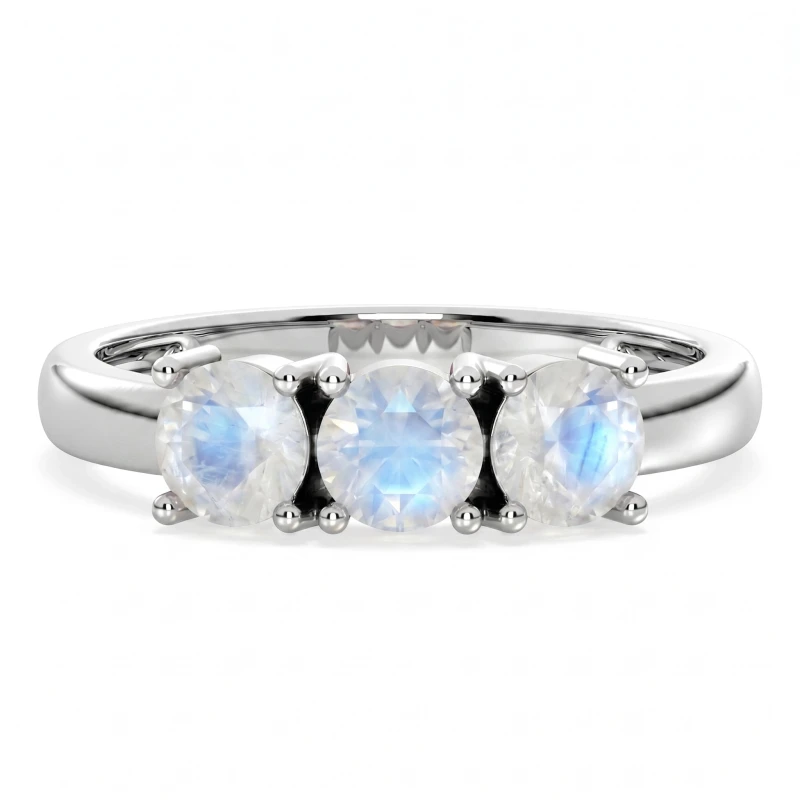
Zoey Rainbow Moonstone Row Ring
$71.20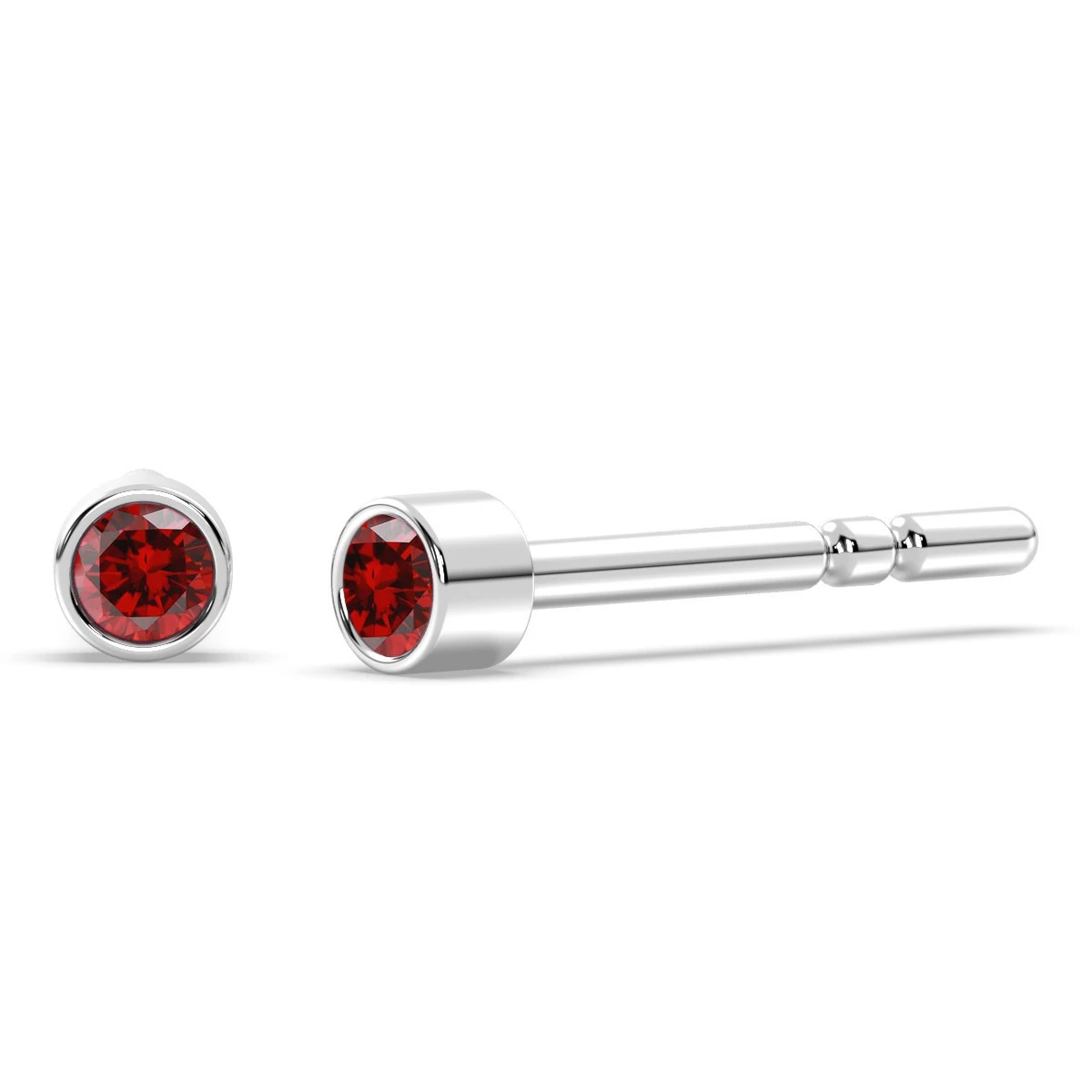
Garnet dainty stud earrings
$44.00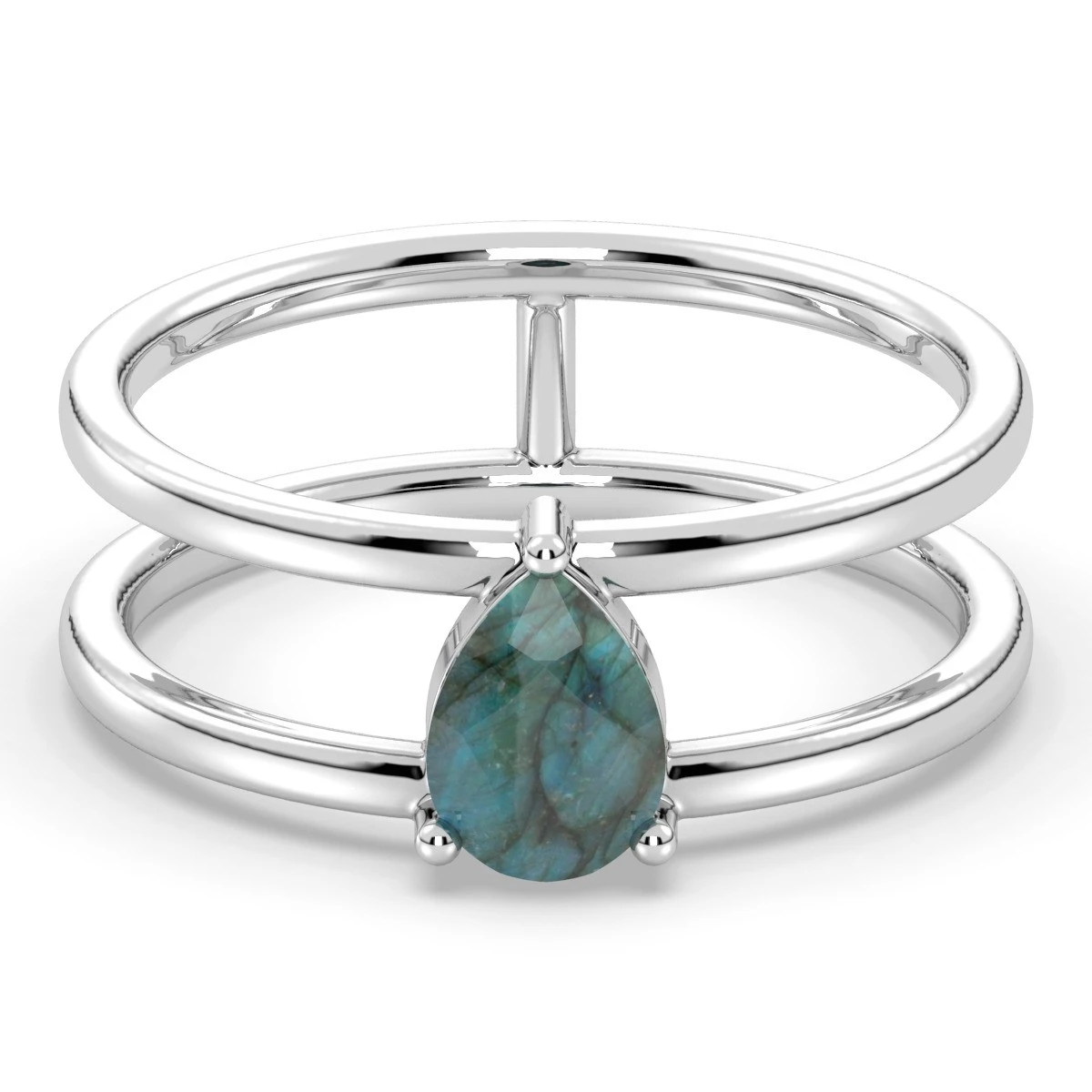
Anita Labradorite ring
$63.20Your Cart
0 ItemsYour Cart is empty
Start ShoppingFind What Resonates
With You
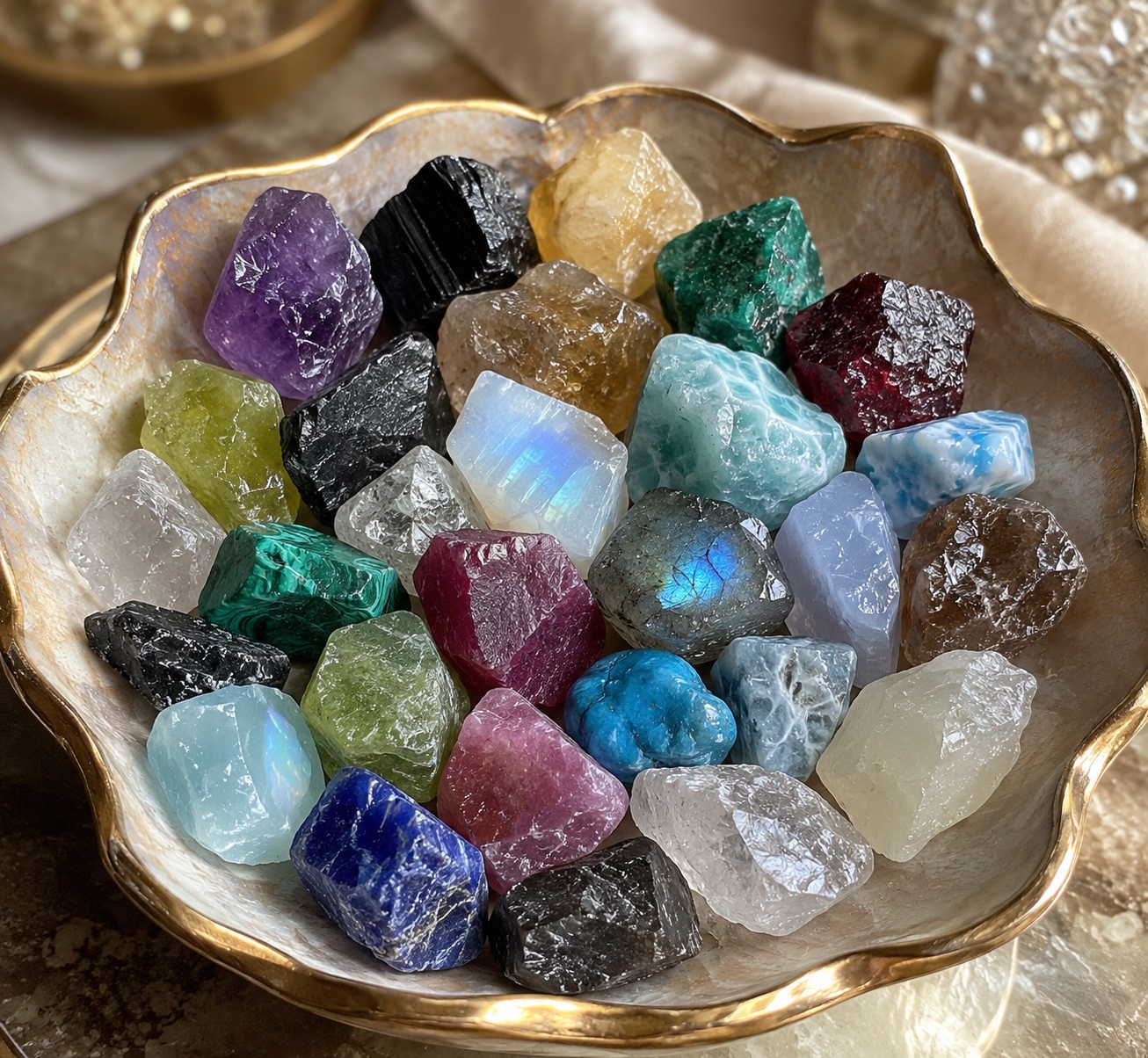
Discover the perfect gemstone for you
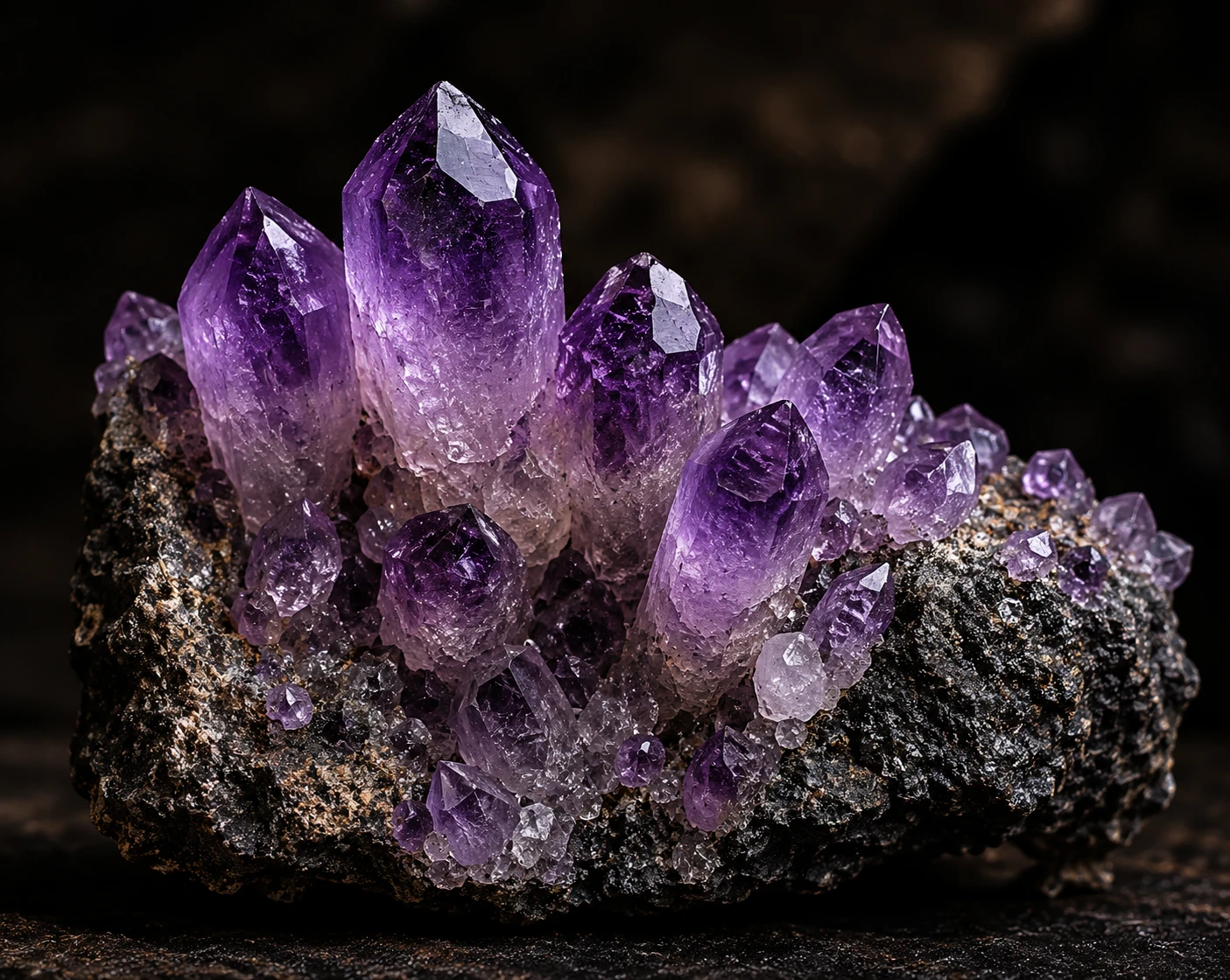
Amethyst
Black Onyx
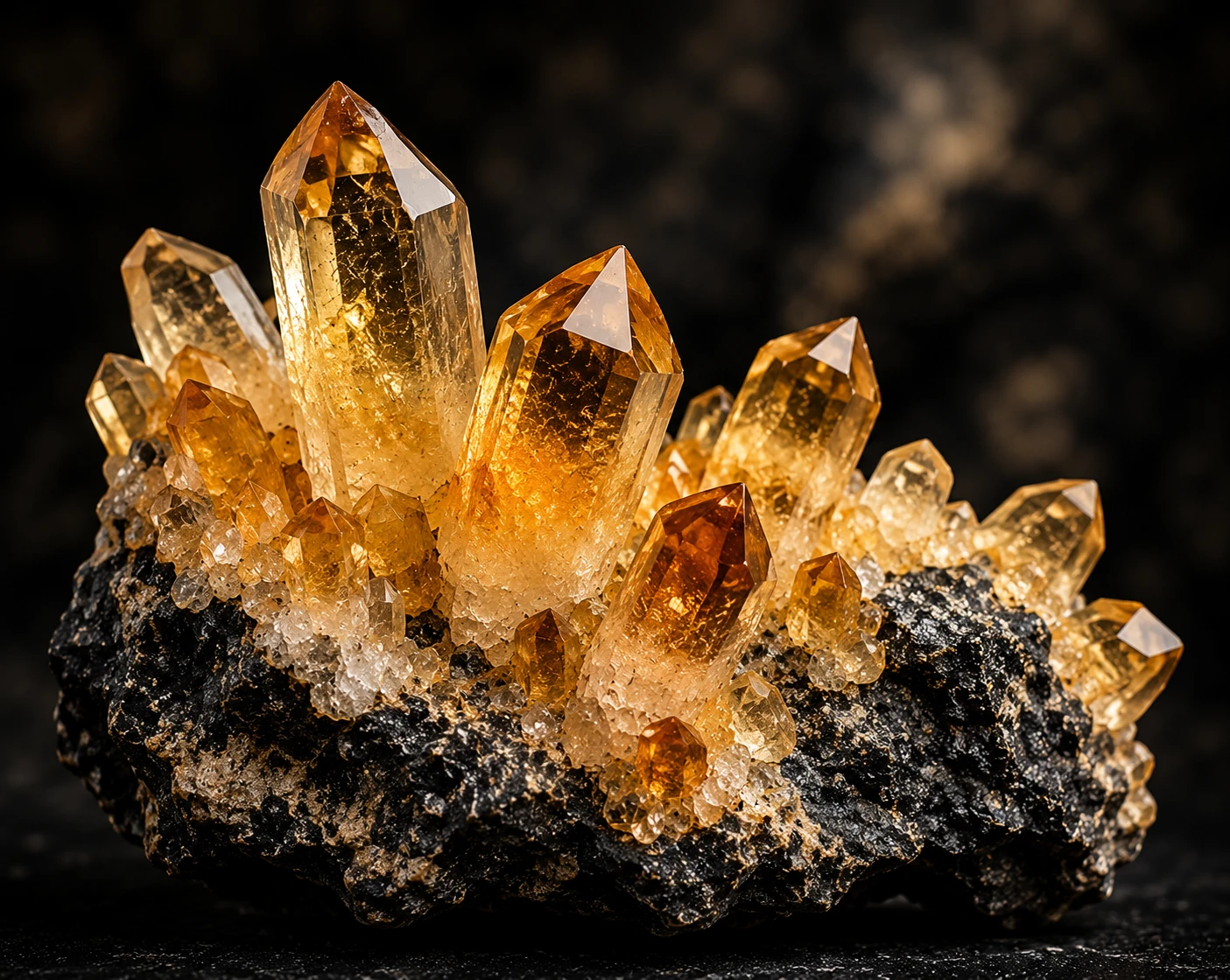
Citrine
Emerald
Garnet
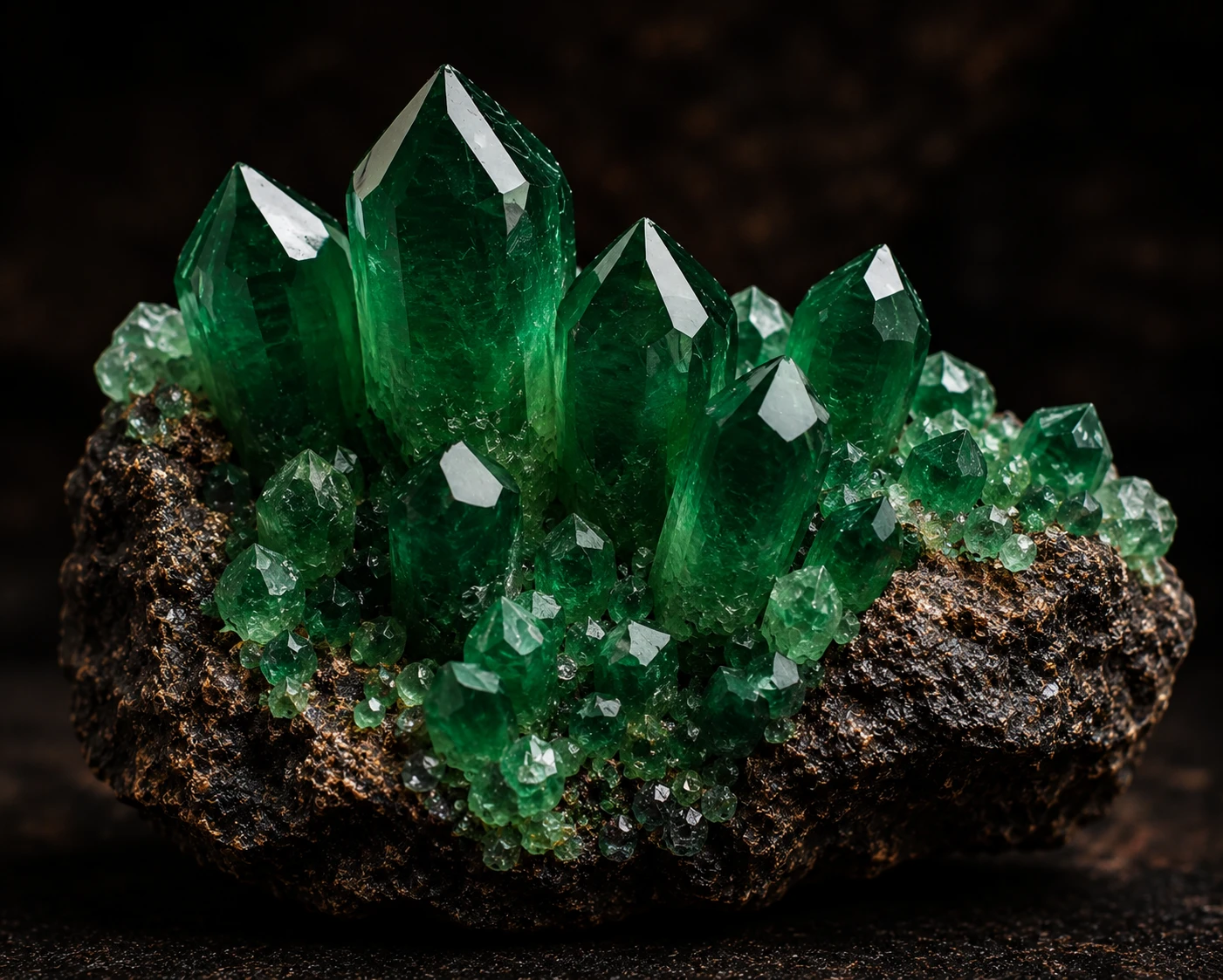
Green Onyx
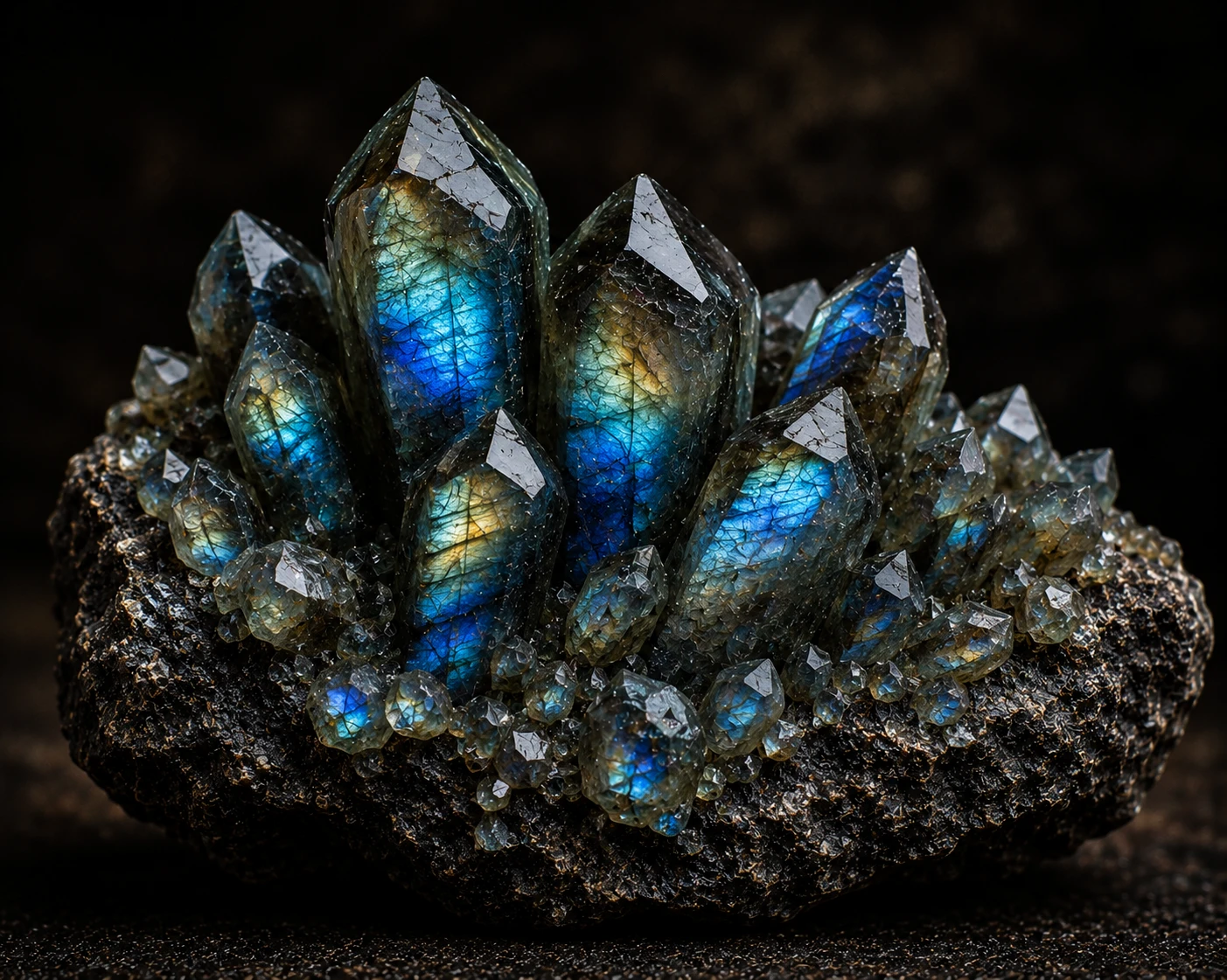
Labradorite
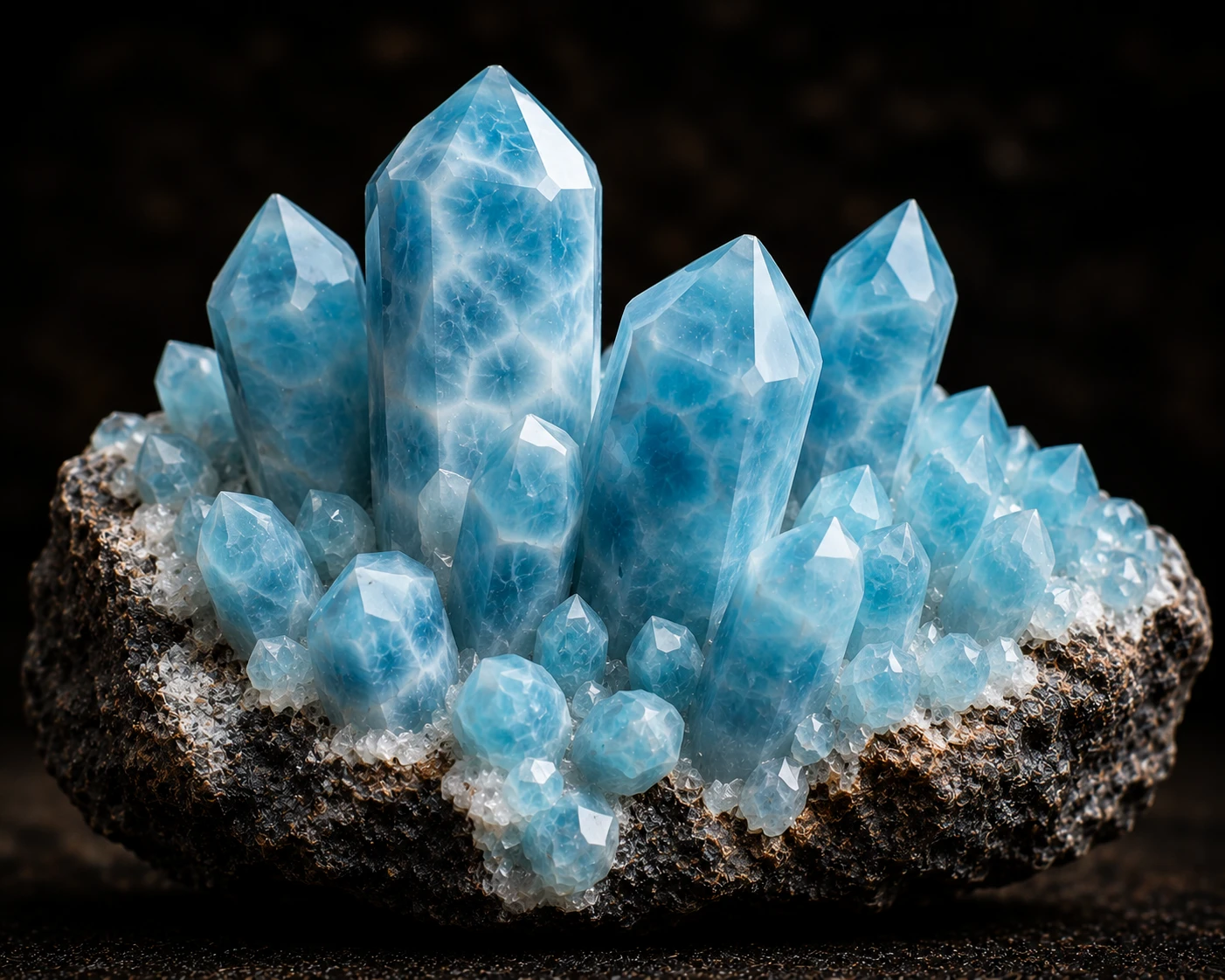
Larimar
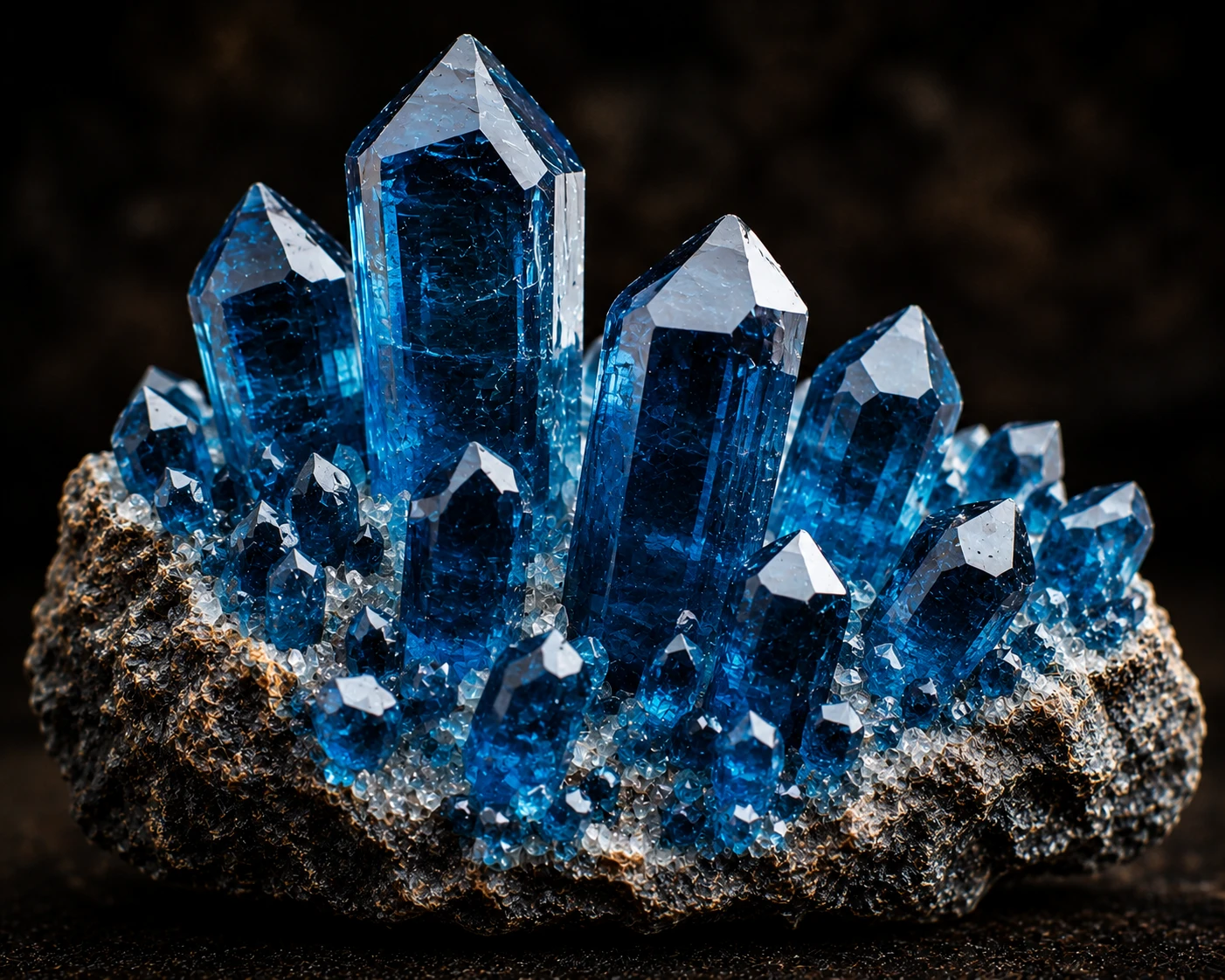
London Blue Topaz
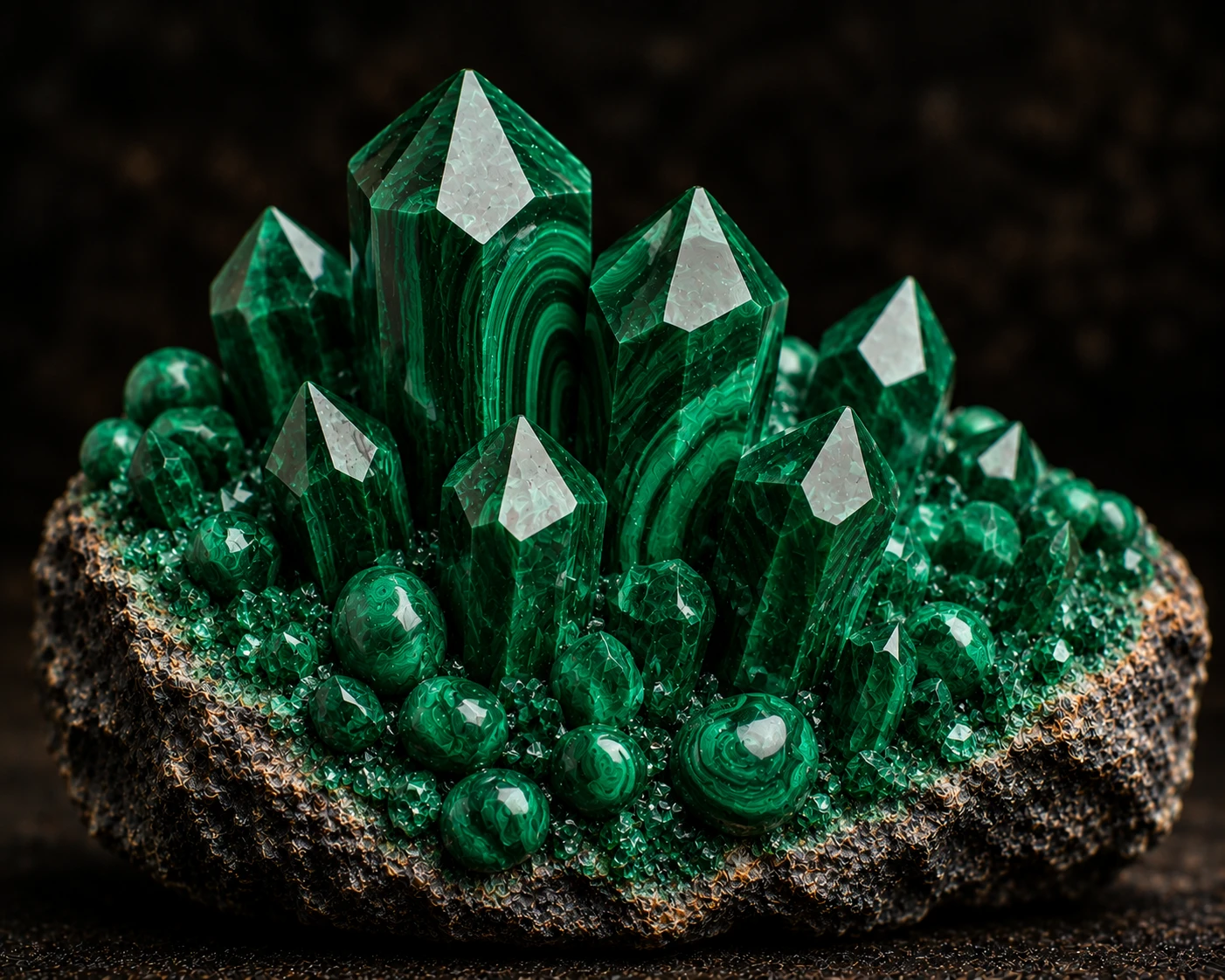
Malachite
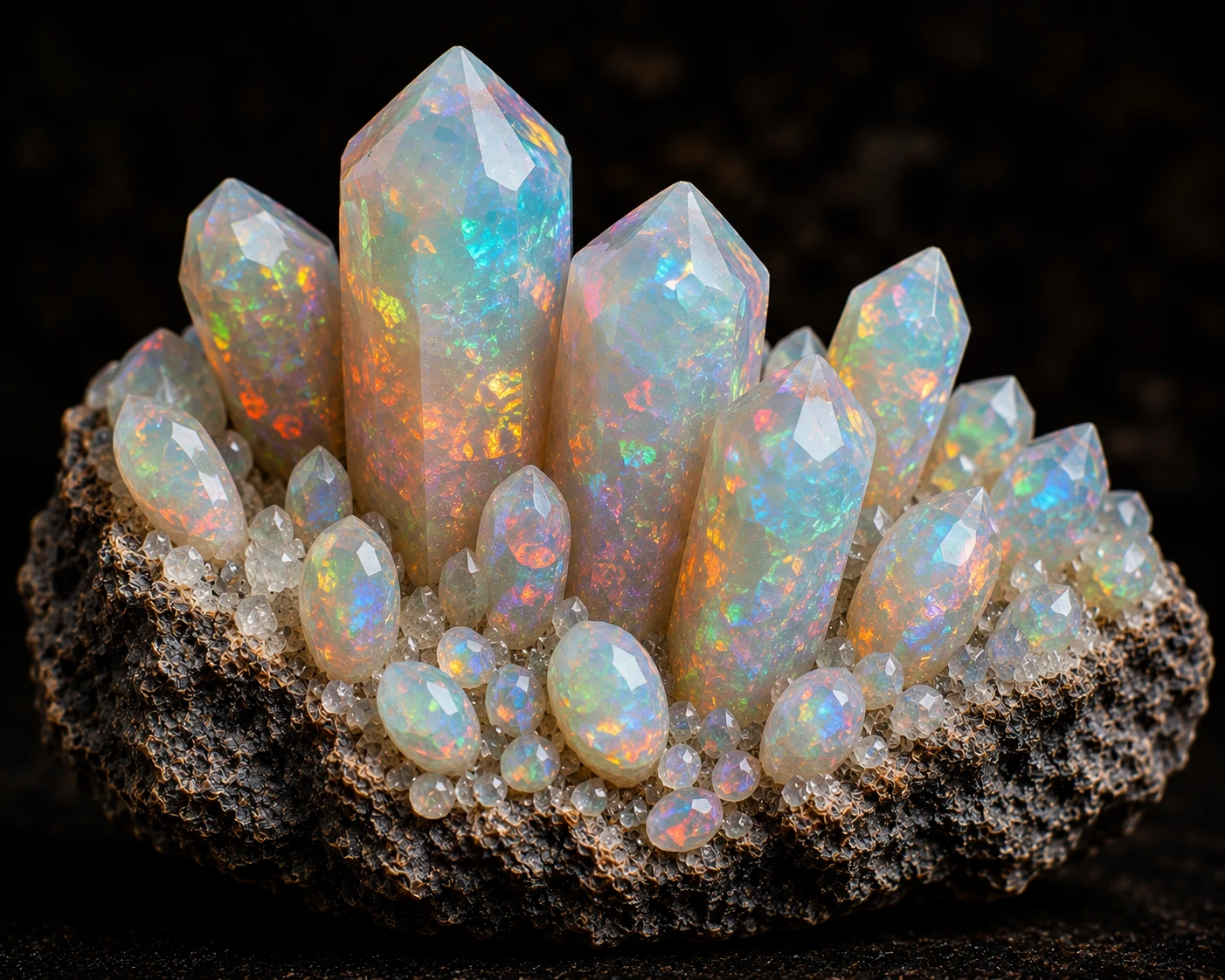
Opal
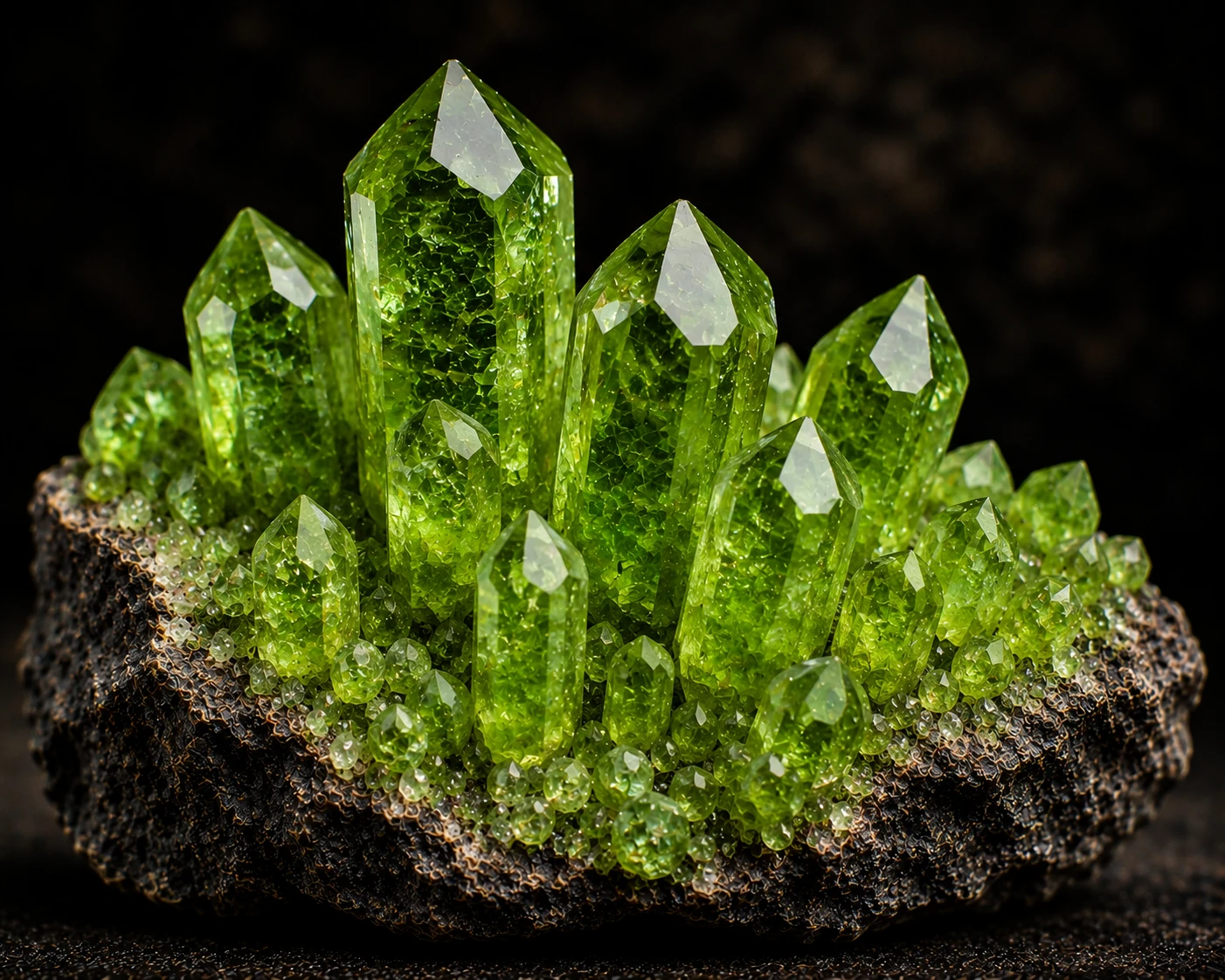
Peridot
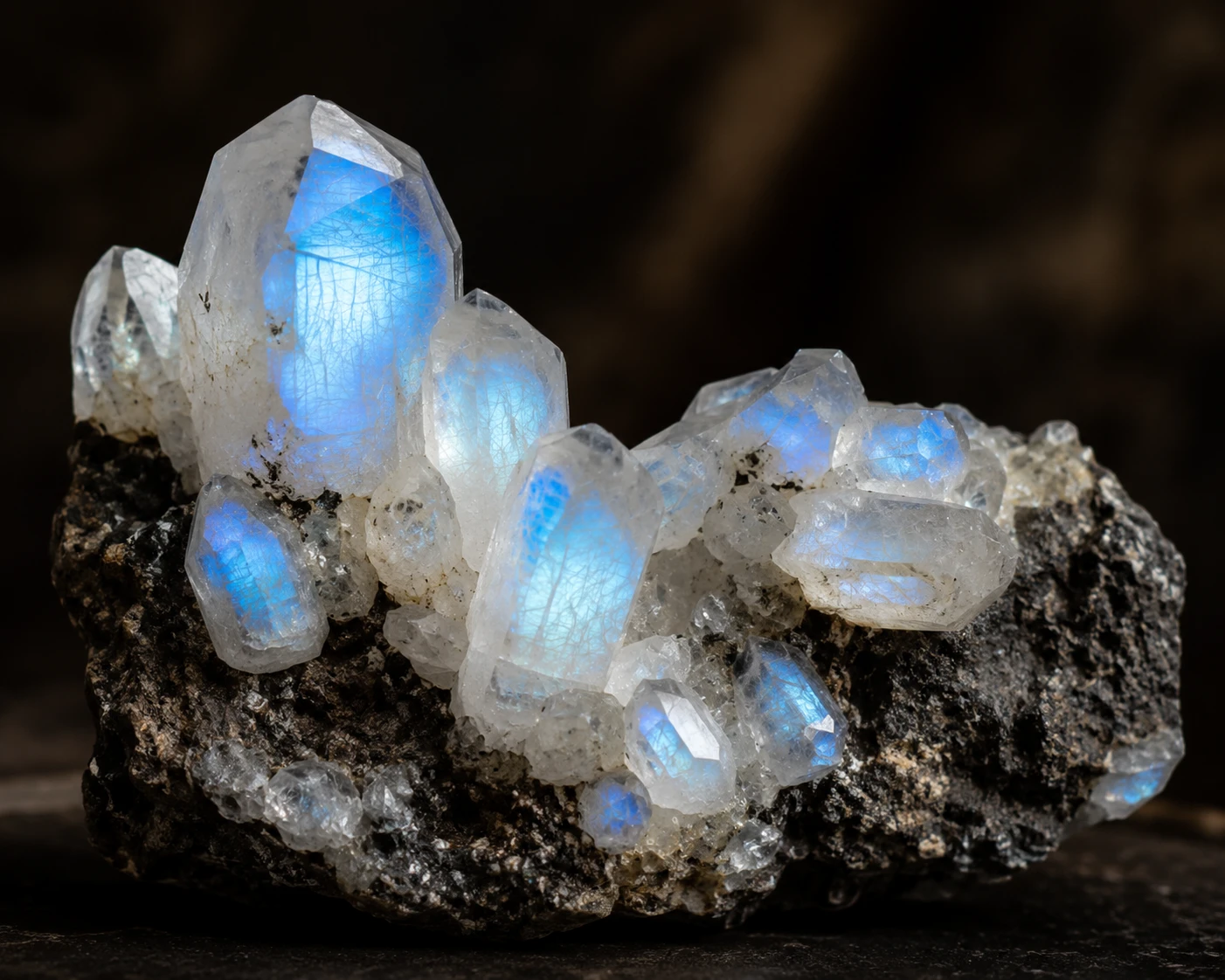
Rainbow Moonstone
Rose Quartz
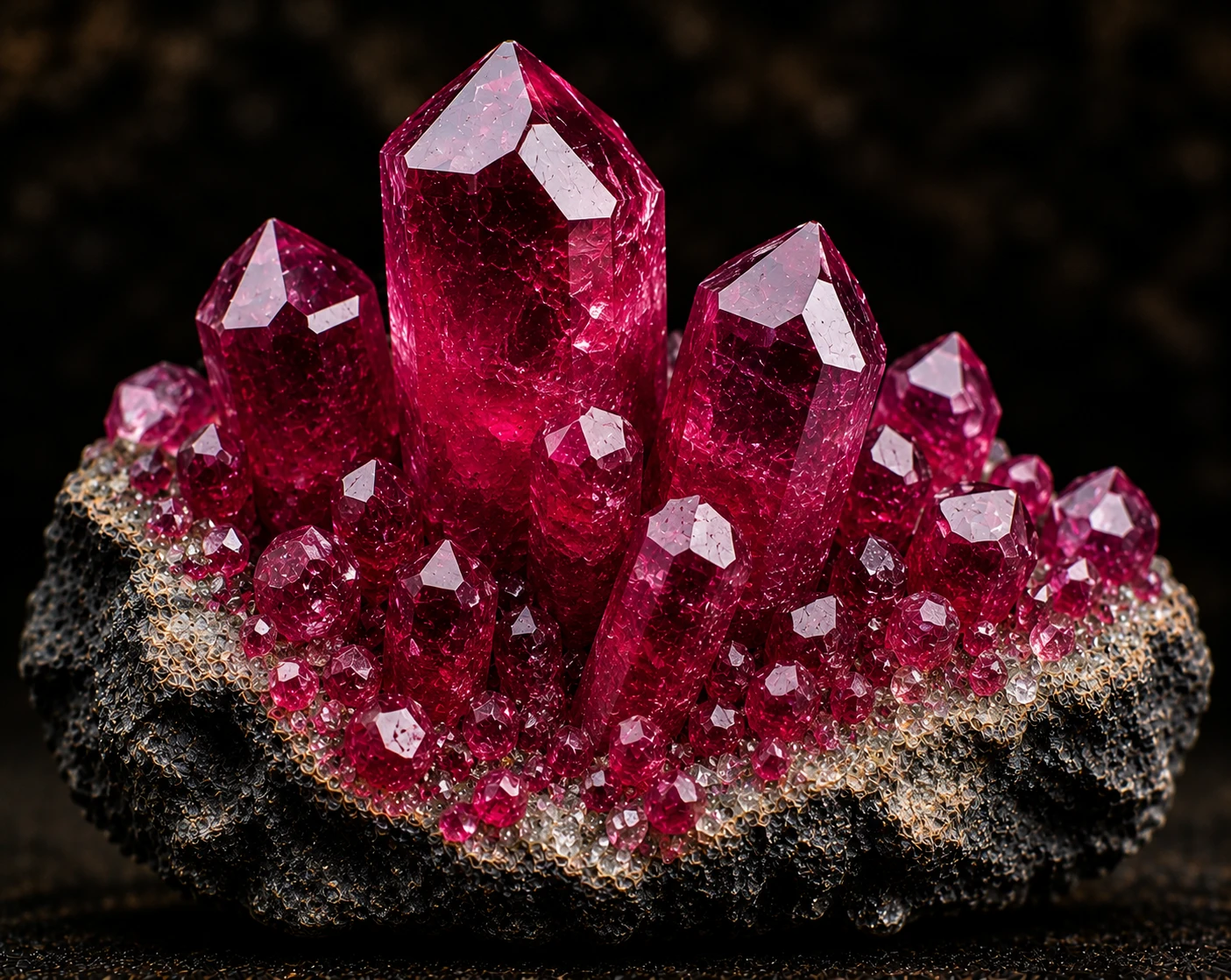
Ruby
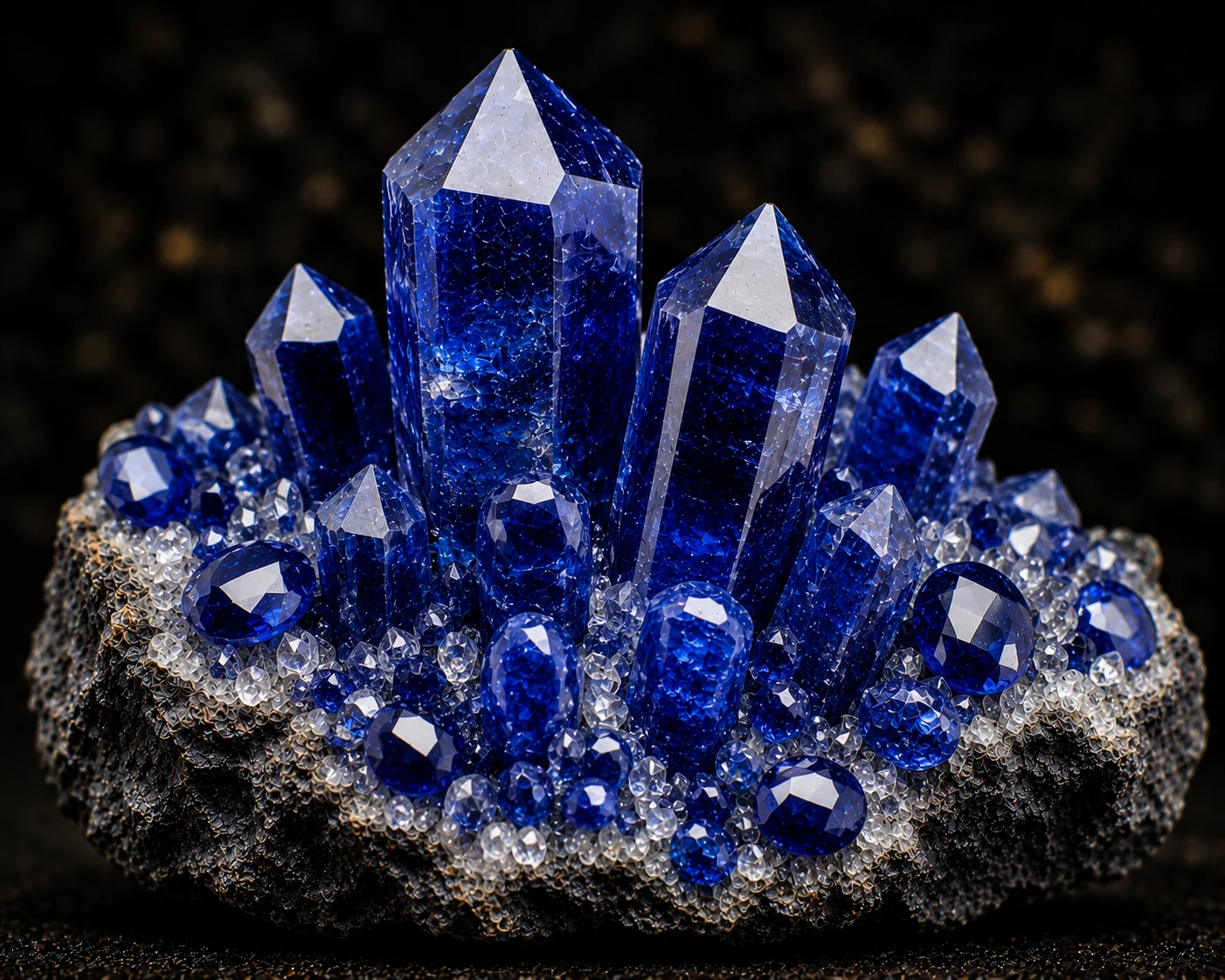
Sapphire
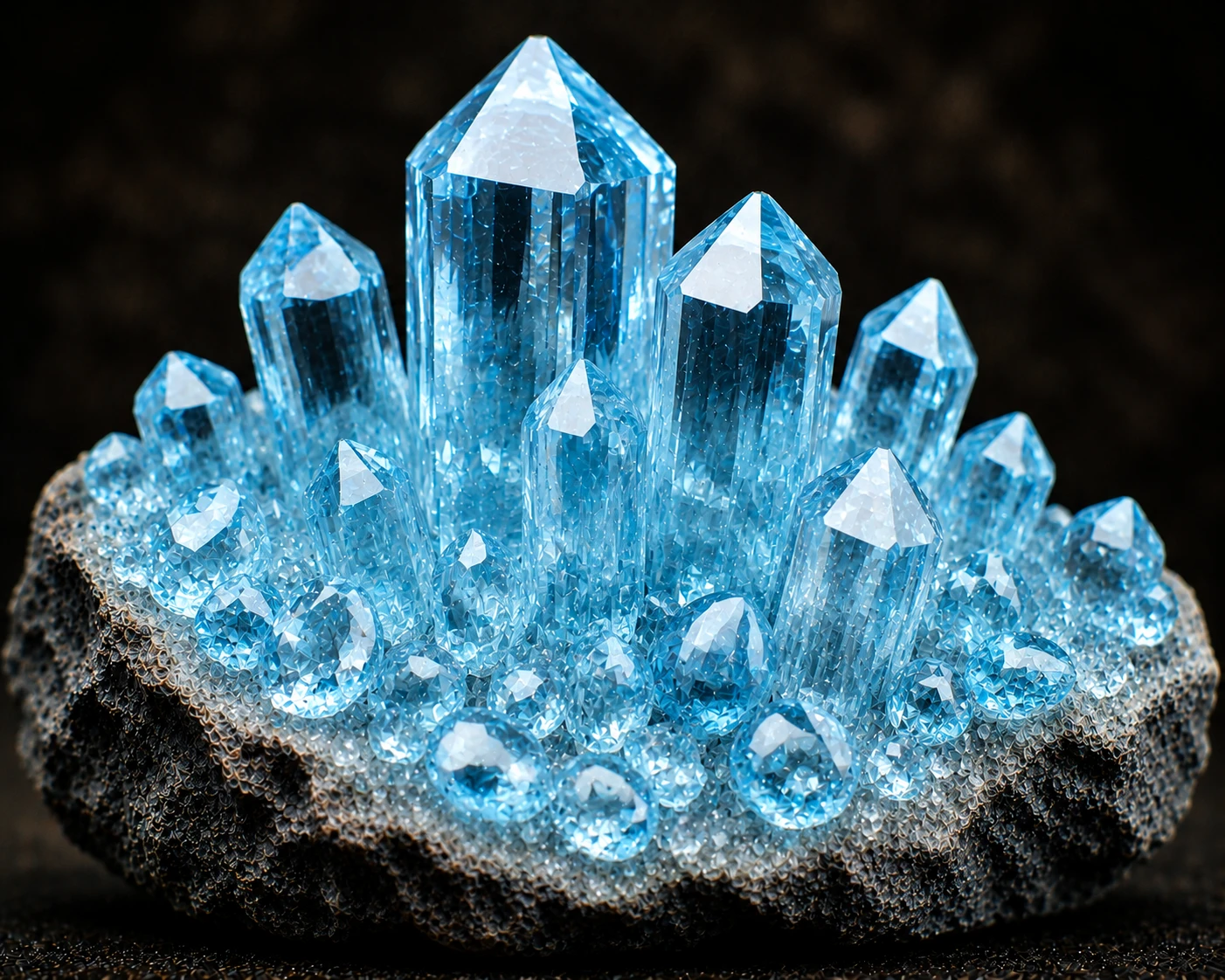
Sky Blue Topaz
Smoky Quartz
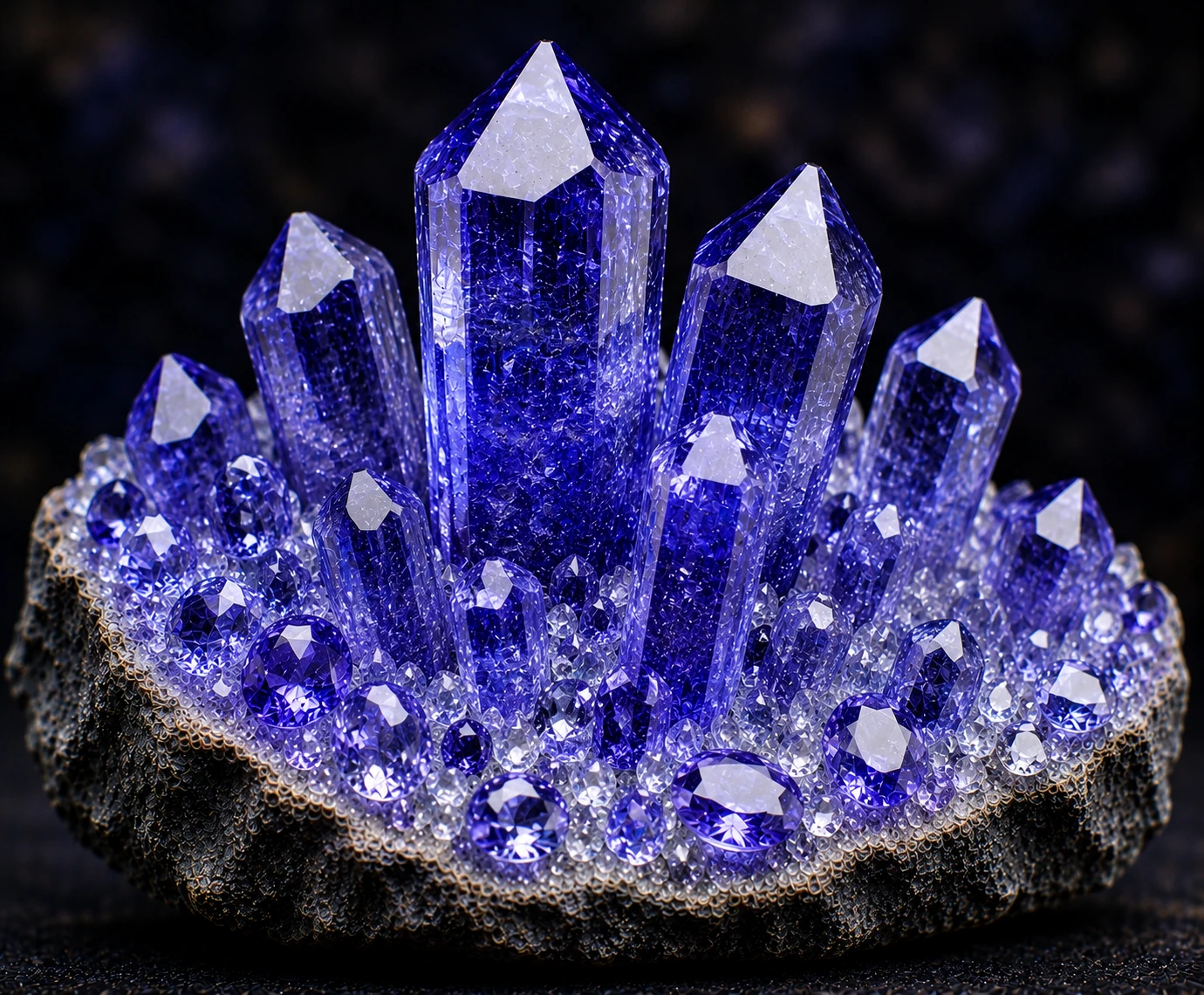
Tanzanite
Tourmaline
Turquoise
White Topaz
Shop By
Explore our curated collections
Birthstone
Discover by your birth monthZodiac Sign
Find your astrological match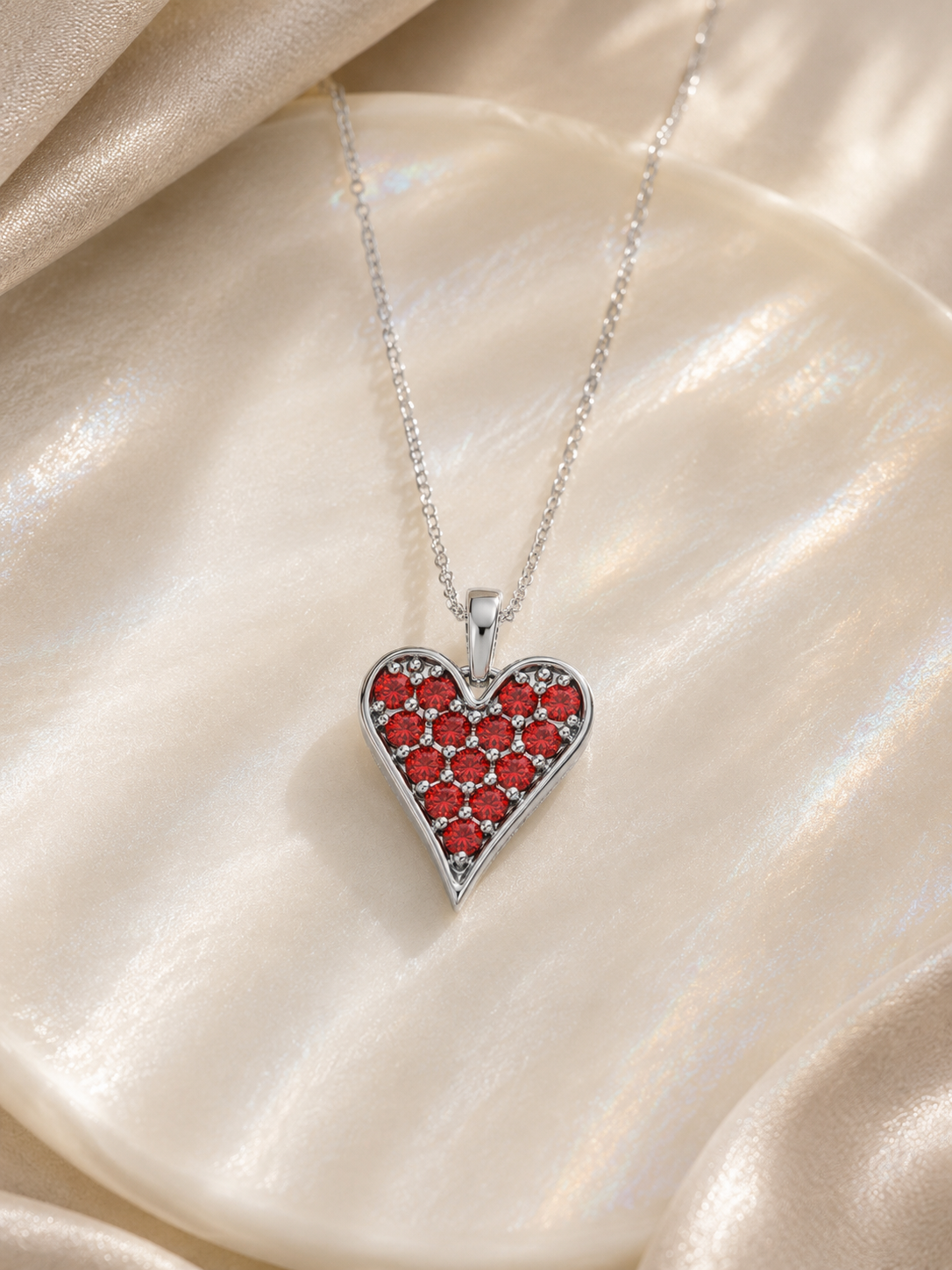
Your Cart
Your Cart is empty
Continue ShoppingWishlist (0)
Your wishlist is currently empty.
SUGGESTED FOR YOU
Citrine Buying Guide: How to Choose and Buy Real Citrine Crystal
Golden crystals, bright orange stones, and polished pieces, rings, pendants, clusters; that's citrine in a nutshell, and it looks simple enough to just pick one and move on. Except not every stone labeled citrine is actually natural citrine, and that gap confuses more buyers than you'd think.
That's the whole reason a proper citrine guide is worth reading before you spend money. Whether you're planning to buy citrine crystal, start collecting mineral specimens, or pick up a piece of jewelry, understanding quality and pricing saves you from second-guessing the purchase later. This citrine buying guide covers how the stone forms, what actually drives its value, how pricing works in practice, and where to buy real citrine without rolling the dice.

(Image credits - Unsplash)
What is Citrine?
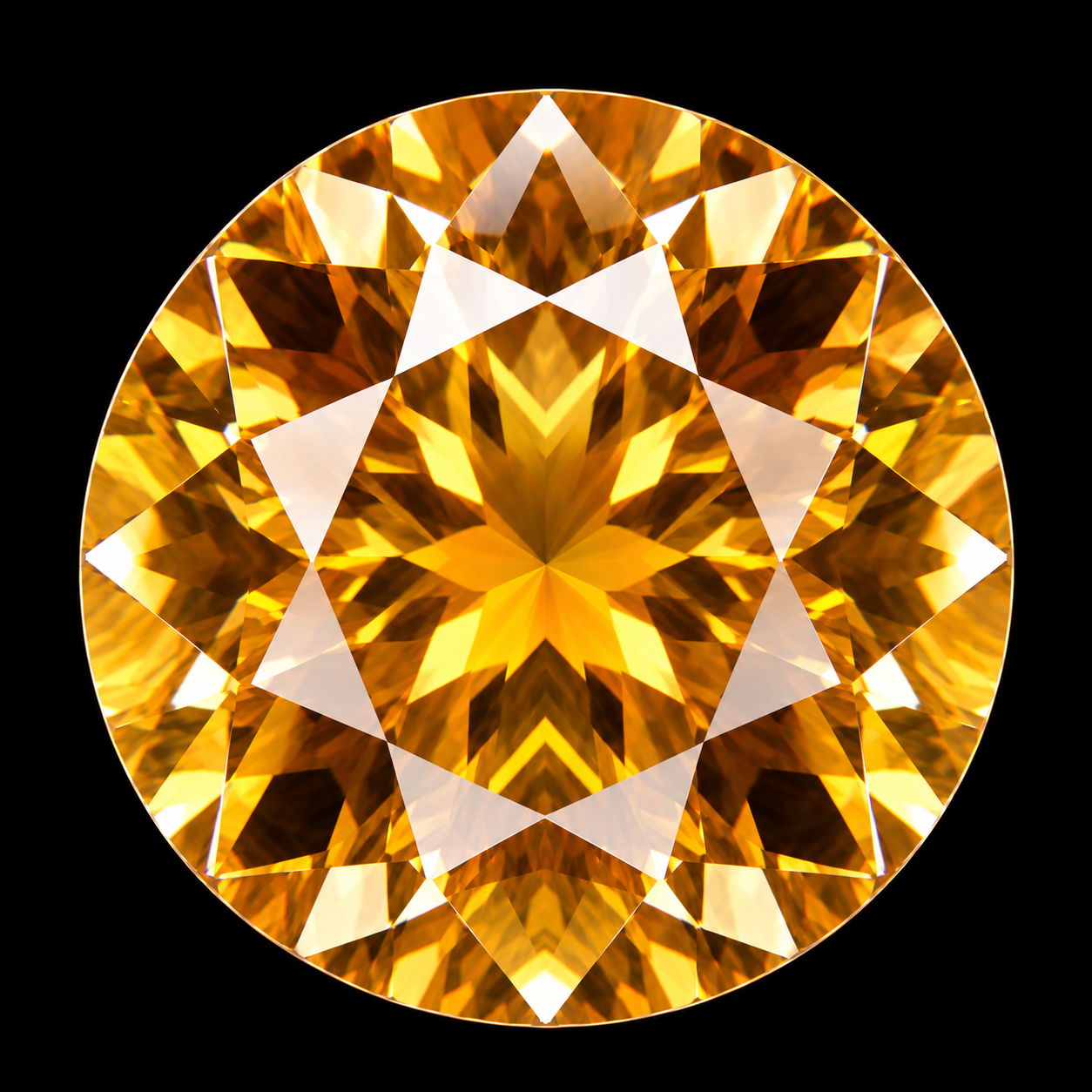
Citrine belongs to the quartz family, the same one that gives us amethyst, rose quartz, and smoky quartz. What sets it apart is the color: warm yellows and golds that range from a soft lemon tint all the way to a deep honey shade.
Durability-wise, it's solid. A 7 on the Mohs hardness scale puts it in easy reach for rings, pendants, and anything else you'd wear day to day. And because it shows up in so many shapes and sizes, from faceted stones down to big raw crystals, there's an entry point for almost anyone who wants to buy citrine gemstone pieces, whether that's for jewelry or just a collection sitting on a shelf.
There's a nice little detail in the name, too. It comes from the Latin citrina and the French citron, both of which just mean "lemon" or "yellow." Fitting, considering the stone barely does anything besides that color.
Citrine: The November Birthstone
Citrine shares November with topaz as one of two official birthstones, a title it's held since at least the early 1900s. That alone keeps demand steady year-round. It's also the traditional gift for a 13th wedding anniversary, in case that's relevant to what you're shopping for. If birthstones are part of the appeal here, our birthstone guide breaks down what each month's stone represents in more depth.
Natural Citrine vs Heat-Treated Citrine
Natural citrine exists, sure, but it's rarer than most people assume. A lot of the deep orange stones sitting in shop windows actually started out as amethyst. Heat it up enough and amethyst shifts color, landing on a golden tone that looks a lot like citrine's natural state.
This is standard practice across the gemstone industry, not some shady workaround. It does mean genuinely natural citrine is harder to come by, since the heat-treated version is just so much more common. And because of that scarcity, natural specimens tend to cost more.
Why Citrine Remains a Popular Stone
A few simple reasons explain why citrine has stuck around this long.
The golden tone pairs easily with yellow gold, rose gold, or silver.
It works across multiple metal styles without ever clashing.
Buyers get to choose between rough mineral specimens, polished stones, or faceted gemstones, depending on what they actually want it for.
What Citrine Symbolizes
Part of that staying power has nothing to do with looks. Citrine has long carried the nickname "Merchant's Stone" or "Success Stone," tied up in ideas of prosperity, abundance, and confidence. People also associate it more loosely with warmth and mental clarity, which honestly tracks given how sunny the color is. None of this is provable in any scientific sense, but it explains a lot about why citrine ends up as a gift so often instead of just a stone people buy for themselves.
Types of Citrine Stones You Can Buy
Before you buy citrine stone, it helps to know what's actually out there. The different forms serve pretty different purposes, from jewelry to straightforward crystal collecting.
Raw citrine crystal shows up unprocessed, still in its natural quartz points or clusters, uncut and unpolished. Collectors tend to prefer this form specifically because it shows the stone exactly as it grew.
Polished citrine stones get smoothed down into tumbled stones, palm stones, or decorative carvings. Some people use these for home décor, others just like carrying a small polished piece around.
Citrine gemstones for jewelry go through faceting, which is what gives them that light-catching brilliance. These end up in rings, earrings, and pendants, and when someone wants to buy citrine gemstone jewelry specifically, the cut becomes the deciding factor in how bright the finished piece actually looks.
Choosing Citrine by Jewelry Type
Which form makes sense really depends on how the piece will be worn. Rings take more daily abuse than almost anything else in a jewelry box, so a protective setting matters here even though citrine's Mohs 7 hardness already holds up decently on its own. Earrings and pendants see much less contact, which frees you up to go bigger and bolder with the cut. Raw and polished citrine, on the other hand, generally isn't built for daily wear jewelry at all. It's better suited to collector pieces or décor, where the whole point is that untouched, natural look.
Where Does Citrine Come From?
Brazil produces most of what ends up on the market, though Bolivia, Madagascar, Zambia, Russia, and a few U.S. deposits contribute smaller amounts too. Origin doesn't swing the price nearly as much as it would with rarer stones, but Brazilian material has become something of a quality benchmark in the trade. Knowing where a stone actually comes from matters to us too, which is part of why we're careful about it on our sustainability page. Mining practices vary a lot depending on the region.

(Image credits - Unsplash)
Understanding the 4Cs of Citrine Gemstone Quality
Gemologists usually break quality down into four factors: cut, color, clarity, and carat weight. Here's how each one plays out with citrine specifically.
Color: Color is where most people's eyes go first. The best stones show warm, golden tones that stay bright without tipping into overly dark territory. Natural citrine tends to look yellow, while deep orange almost always signals heat treatment.
Clarity: Clarity works in citrine's favor more than with a lot of other gemstones. A good stone should be eye-clean, meaning no visible inclusions. Cracks or internal flaws push a stone down into lower value territory fast.
Cut: Cut affects how well the stone reflects light, full stop. A poor cut leaves even great material looking flat and dull, while a well-executed one spreads light across the surface and brings out real brilliance.
Carat Weight: Carat weight is just the stone's weight, nothing fancier than that. Citrine happens to be easier to find in larger sizes than a lot of gemstones, but size still nudges the price, so buyers usually weigh it against color and clarity rather than treating it as the only factor that matters.
How to Identify Real Citrine
A few visual checks go a long way if you're trying to buy natural citrine crystal without getting fooled.
Start with color. Natural citrine usually leans toward gentle yellow or golden shades. Extremely dark or burnt orange is a strong hint that heat treatment happened somewhere along the way. Slight color variation, rather than one flawless uniform tone, is actually a decent sign of a natural stone.
Crystal structure offers another clue. Raw citrine forms in quartz points and clusters, and heat-treated amethyst sometimes shows darker color concentrated near the tips. It's not foolproof, but it can help.
And honestly, just ask. A seller who's willing to explain plainly whether a stone is natural or heat treated is telling you something about how trustworthy the rest of the transaction is likely to be.
One more thing worth flagging: citrine has a history of being sold under names like "Brazilian topaz" or "Madeira topaz," which leans on its resemblance to actual topaz to justify a higher price tag. These are two completely different minerals. If a listing borrows topaz language to describe citrine, treat that as a warning sign rather than a selling point. It's exactly the kind of thing we're upfront about on our promises page. A stone should be sold as what it actually is, nothing dressed up.
Citrine Price Guide: What Should You Expect to Pay?
Pricing on citrine swings more than most buyers expect. It comes down to quality, size, and whether you're looking at a natural or treated stone. Raw crystals sit at the cheap end, with small pieces staying affordable and large collector-grade specimens climbing from there.
Faceted gemstones follow a different logic. The 4Cs carry a lot more weight here, and stones with strong clarity, rich color, and precise cutting cost noticeably more. Natural citrine generally outprices treated citrine too, simply because it doesn't occur in nature nearly as often.
In real numbers: commercial-grade citrine, the stuff used in beads, carvings, or basic jewelry, typically runs under a dollar up to around five dollars per carat. Better jewelry-grade faceted stones usually land somewhere between two and forty dollars per carat, depending on color and cut. Fine, richly saturated natural citrine with documented origin can go well past that, sometimes reaching hundreds of dollars per carat for the best pieces. Craftsmanship plays into this too, something we're transparent about on our process page, since a well-set stone is worth paying extra for beyond just the raw material cost.
If you're planning to buy citrine crystal online, checking a handful of sellers gives you a real sense of typical price ranges before you commit. Baultr's citrine collection starts from $79, with pieces curated around high-quality citrine and handcrafted with real attention to detail.
Where to Buy Real Citrine
Figuring out citrine crystal where to buy matters just as much as understanding the stone itself. Different options come with different trade-offs.
Local gemstone shops let you inspect a stone in person, which makes judging color, clarity, and size a lot easier. The downside is a smaller selection than you'd find elsewhere.
Online retailers tend to carry a much wider range, including larger crystals and less common cuts. Reputable sellers, BAUTLR included, back that up with detailed descriptions, high-resolution photos, and real gemstone specifications.
Whichever route you go, take a minute before deciding where to buy real citrine. Look for clear product descriptions, honest treatment disclosures, and reviews that actually sound like they came from real buyers. Transparent sellers make for a much smoother experience overall.
Looking to buy real citrine jewelry? Baultr offers a curated selection of crystals and gemstones. Shop now!
Tips for Buying Citrine Crystal Online
Shopping for gemstones online is convenient, but it rewards a bit of attention to detail.
Look closely at the product photos. Good listings show multiple angles under natural light, which gives you a much better read on true color and clarity.
Compare prices across a few sellers so you're not overpaying without realizing it.
Check that authenticity is actually addressed. A trustworthy retailer states plainly whether the citrine is natural or treated.
Read the reviews. They'll usually tell you whether past buyers got a stone matching the listing.
Caring for Your Citrine Jewelry
Citrine doesn't ask for much, but a couple of things matter more than usual here since most of what's sold has been heat treated. Extended sun or heat exposure can slowly fade a treated stone's color, so skip leaving it on a sunny windowsill or wearing it through anything heat-heavy. For everyday cleaning, warm water, a mild soap, and a soft cloth or brush cover most situations.
Steer clear of steam cleaning specifically, since heat is exactly what causes the fading in the first place. Store it away from harder gemstones so it doesn't pick up scratches, and with just that basic routine, the color and shine should hold up for years.
Who Should Consider Citrine?
Citrine is a solid fit for anyone who wants that warm, sunny gemstone look without paying yellow sapphire or fine yellow topaz prices. It's an obvious pick for November birthdays, and it doubles nicely as a 13th anniversary gift for the same reason. First-time gemstone buyers tend to gravitate toward it too, since the spread across raw, polished, and faceted options means there's something at nearly every budget. And with a 7 on the Mohs scale, it's durable enough to actually wear, not just admire, which makes it a reasonable choice for rings meant for regular use rather than special occasions only.

(Image credits - Unsplash)
Final Thoughts!
Buying citrine gets a lot less confusing once the basics click, and that's really what this citrine guide comes down to. Pay attention to color, clarity, and how transparent the seller is being, and you'll dodge most of the common mistakes people make. Whether the goal is to buy citrine crystal, add a polished piece to a growing collection, or pick out jewelry, the fundamentals hold steady across all three.
If you're ready to explore options, Baultr's collection is a practical place to start. Their range makes it easier to compare quality and confidently buy citrine crystal online without the usual uncertainty. Shop now!
Hello! How can I help you?