Popular Searches
Explore by Intention
Your wishlist is currently empty.
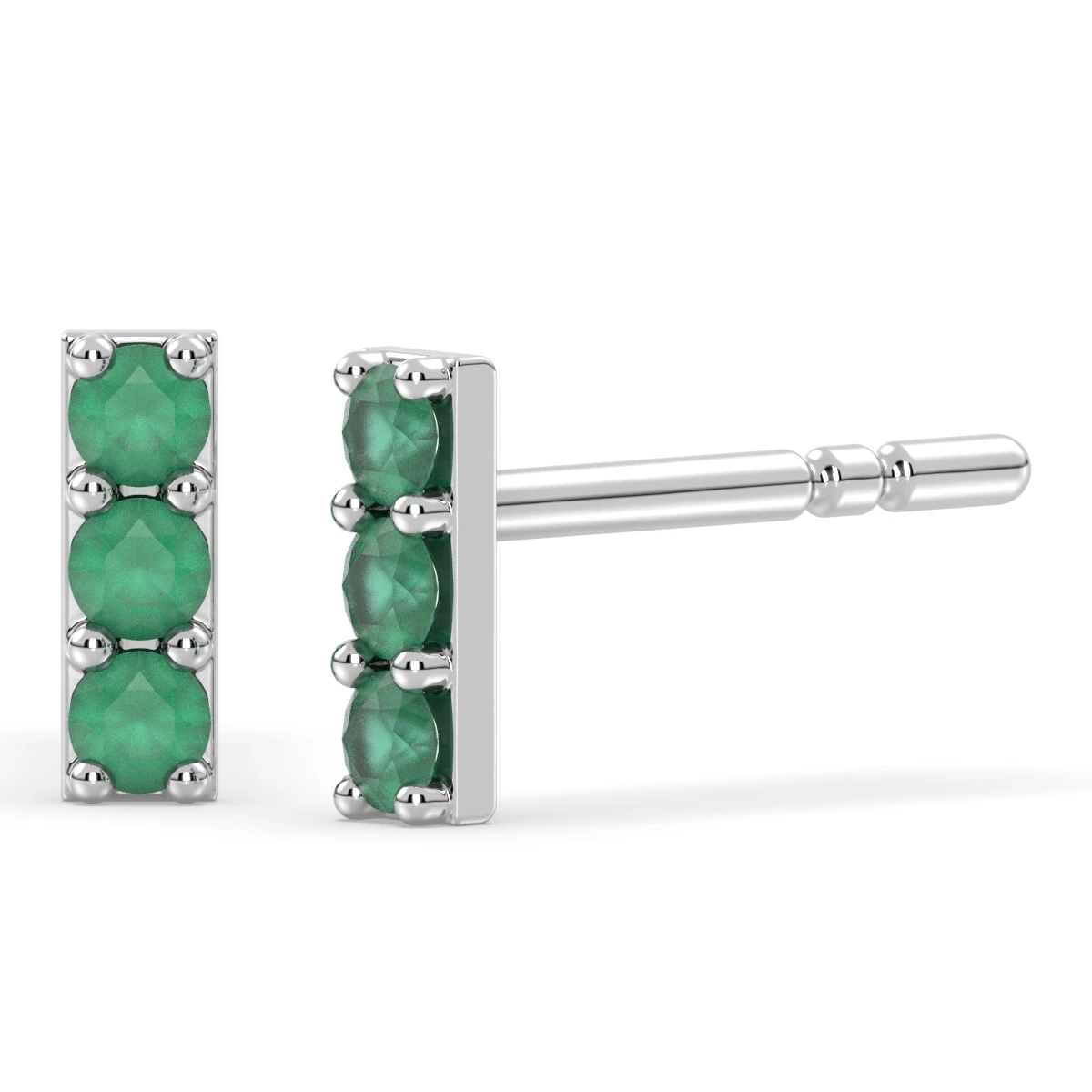
Natural Emerald bar stud earrings
$88.00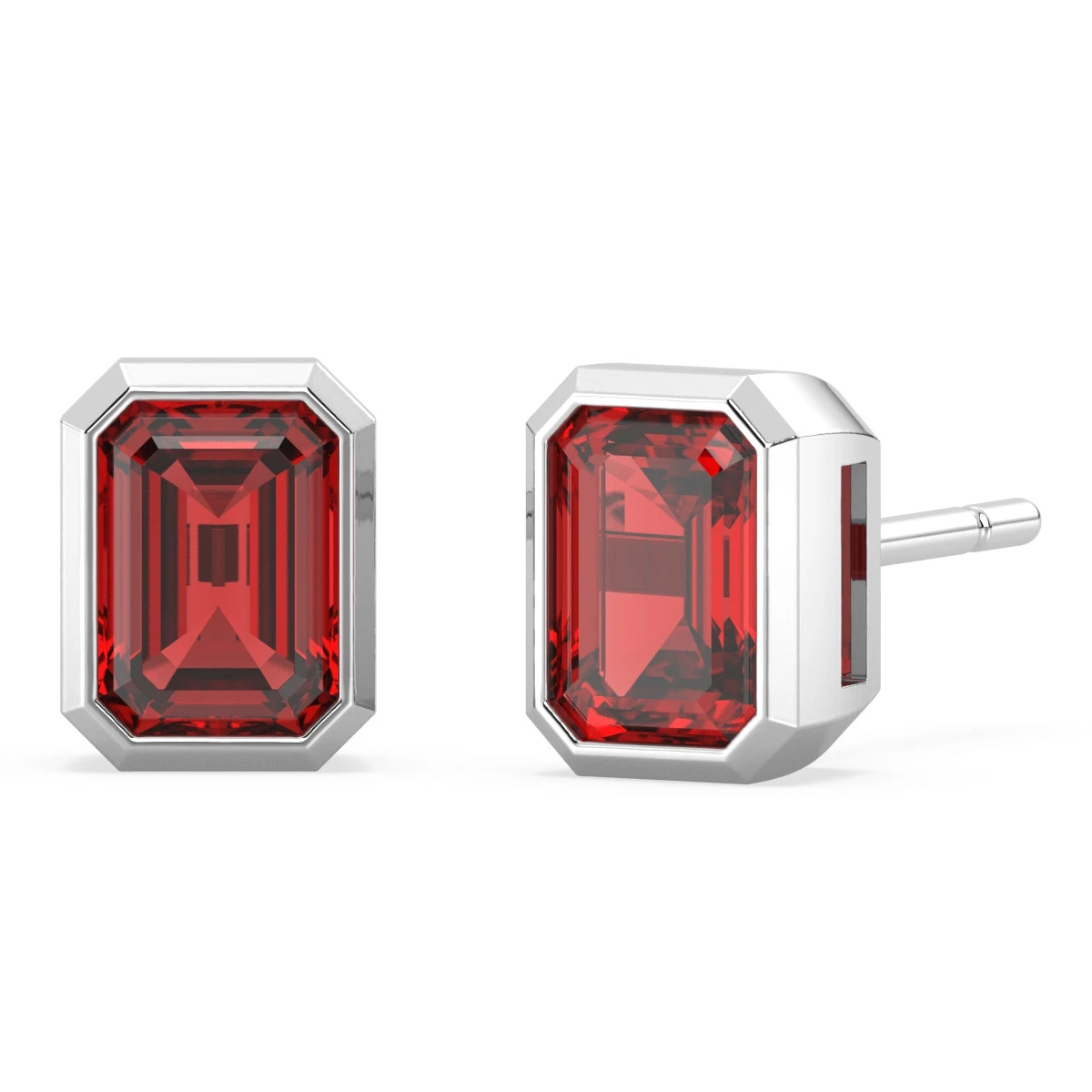
Garnet Emerald-Cut Solitaire Earrings
$71.20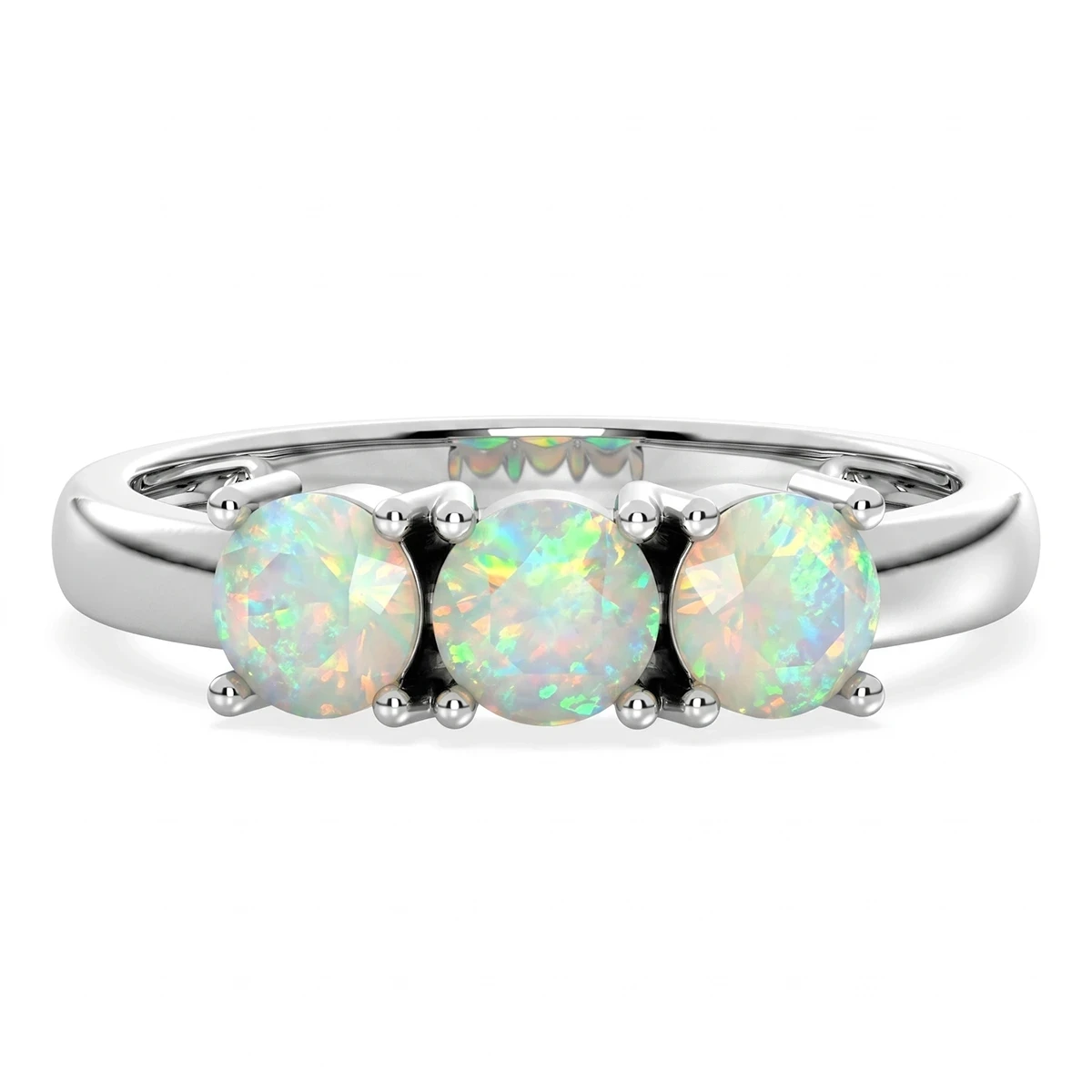
Zoey Opal Row Ring
$92.00Your Cart
0 ItemsYour Cart is empty
Start ShoppingFind What Resonates
With You
Discover the perfect gemstone for you
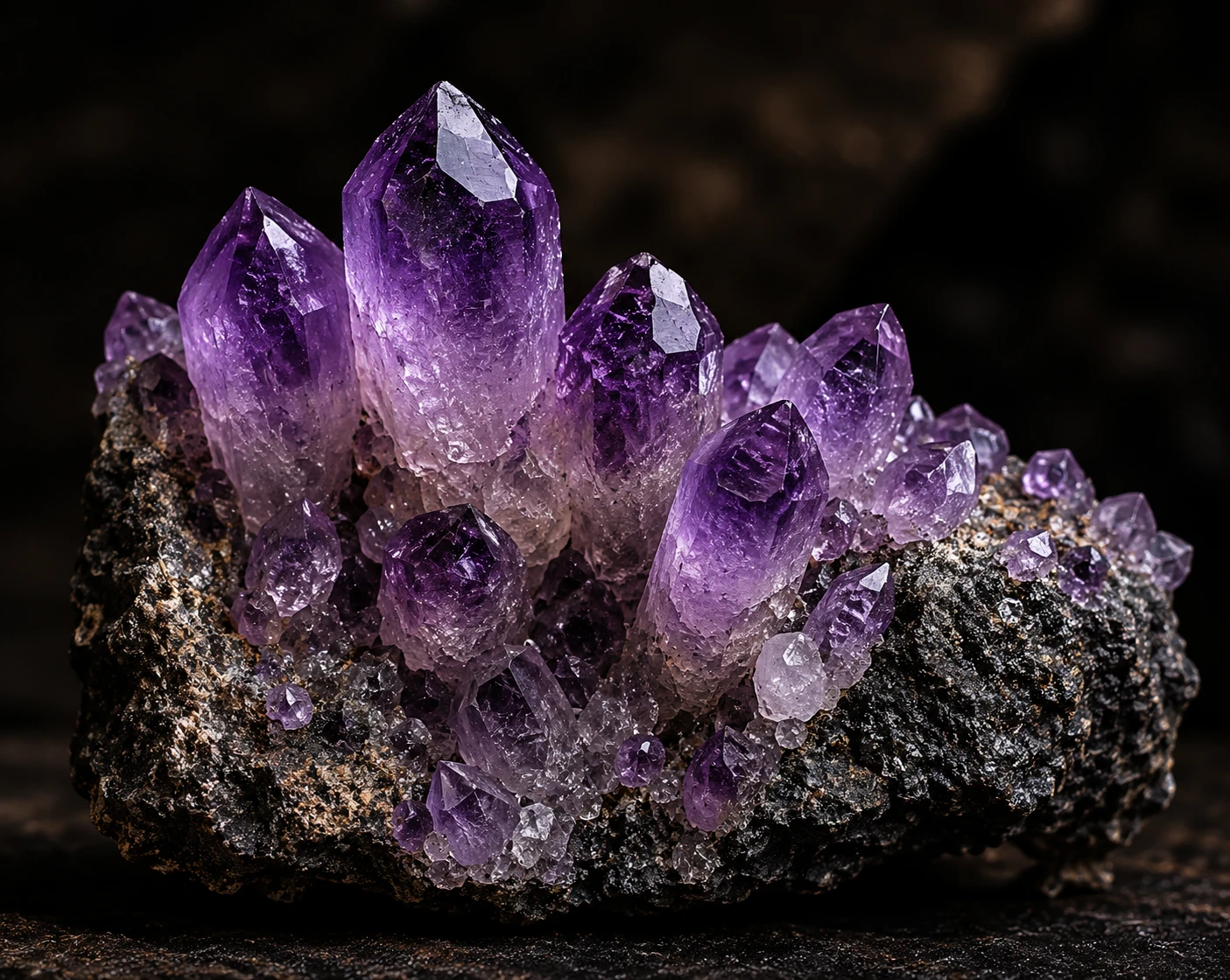
Amethyst
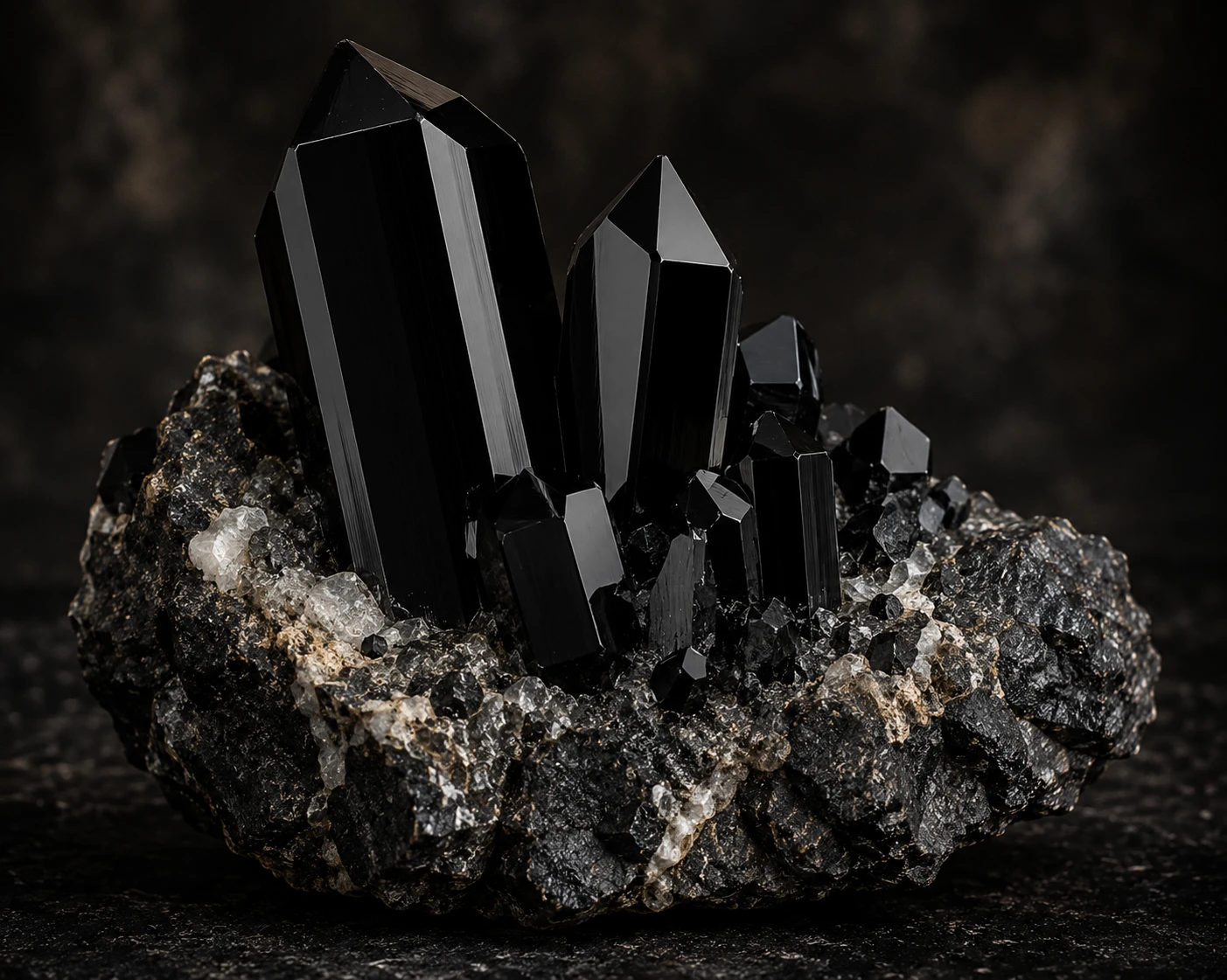
Black Onyx
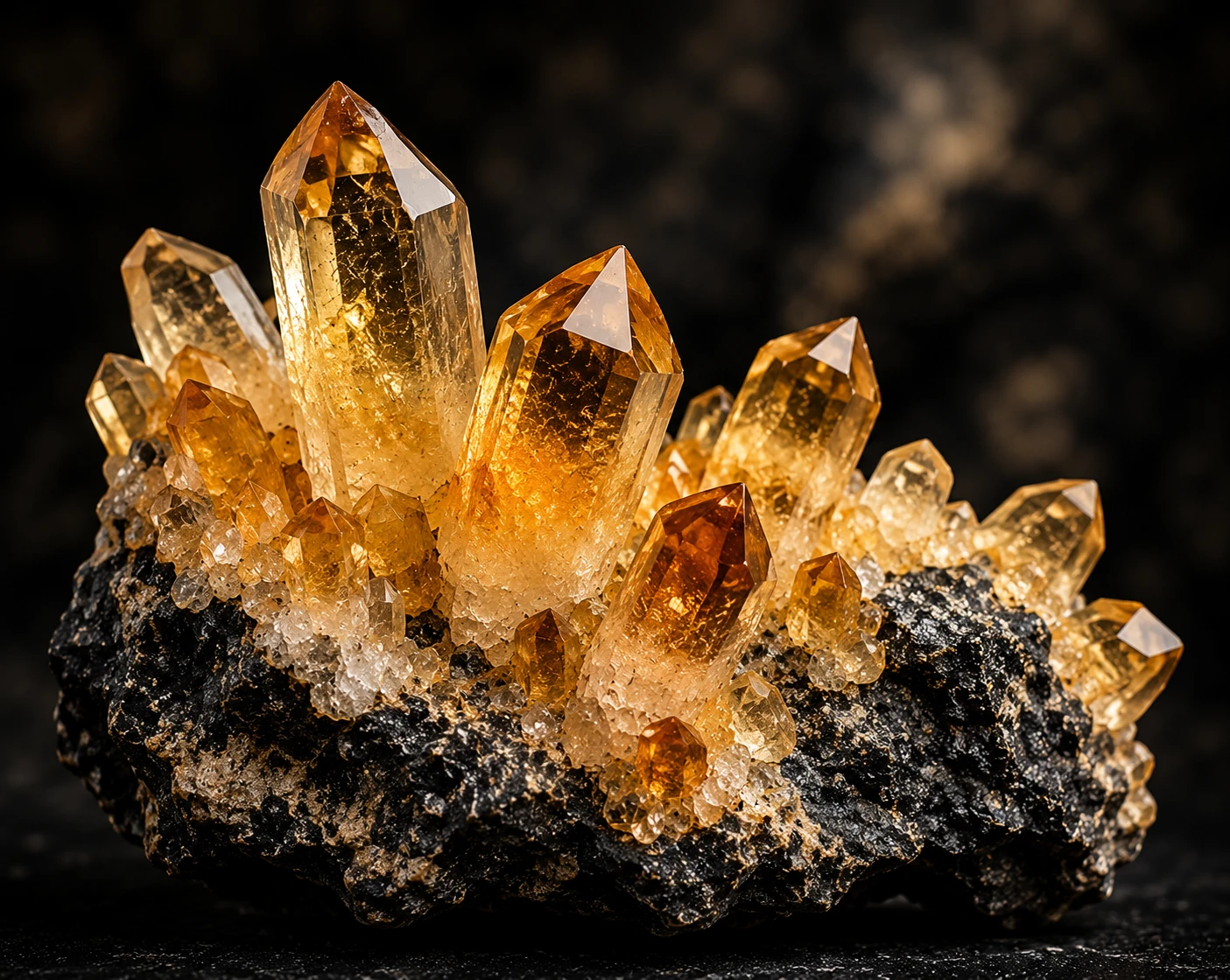
Citrine
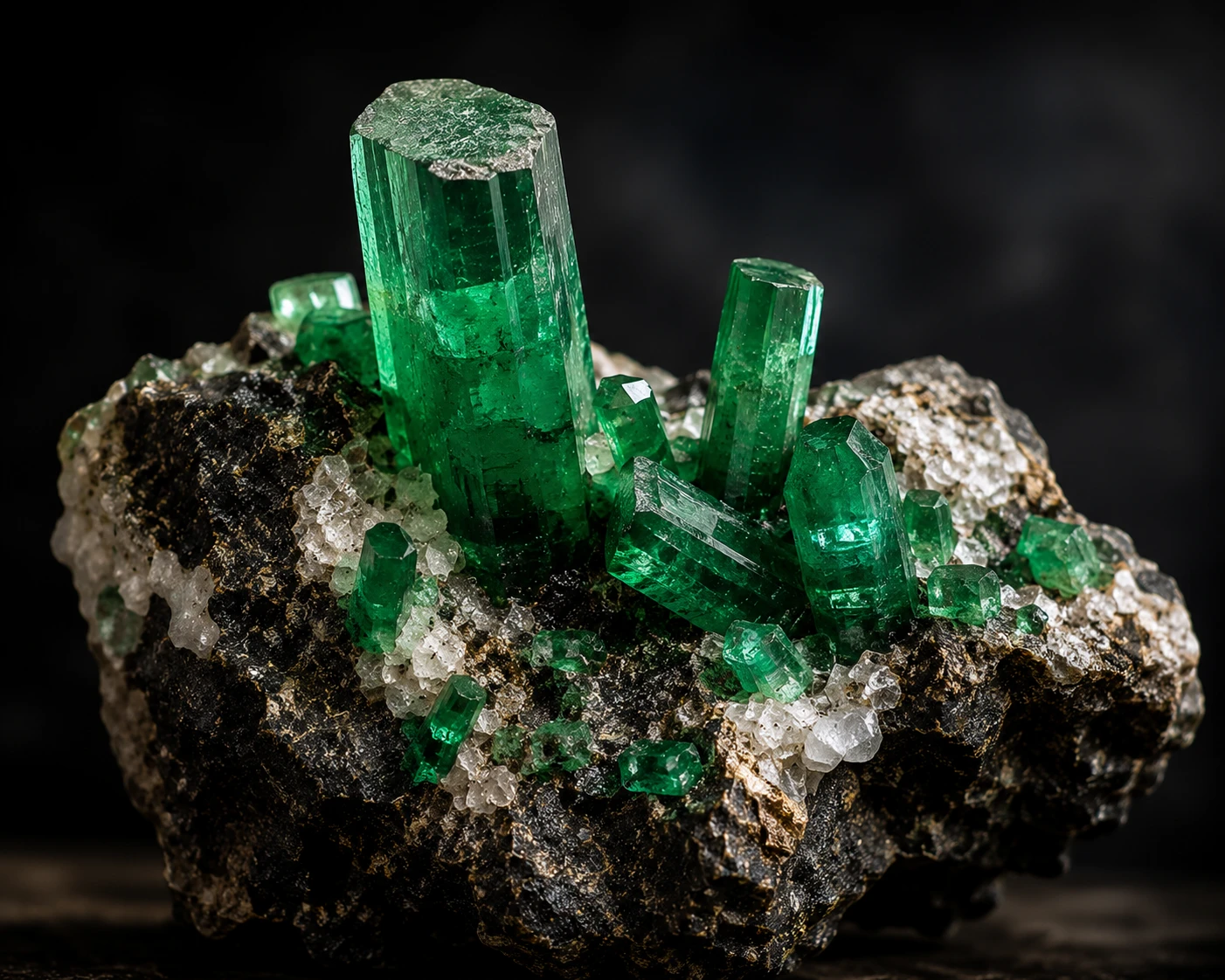
Emerald
Garnet
Green Onyx
Labradorite
Larimar
London Blue Topaz
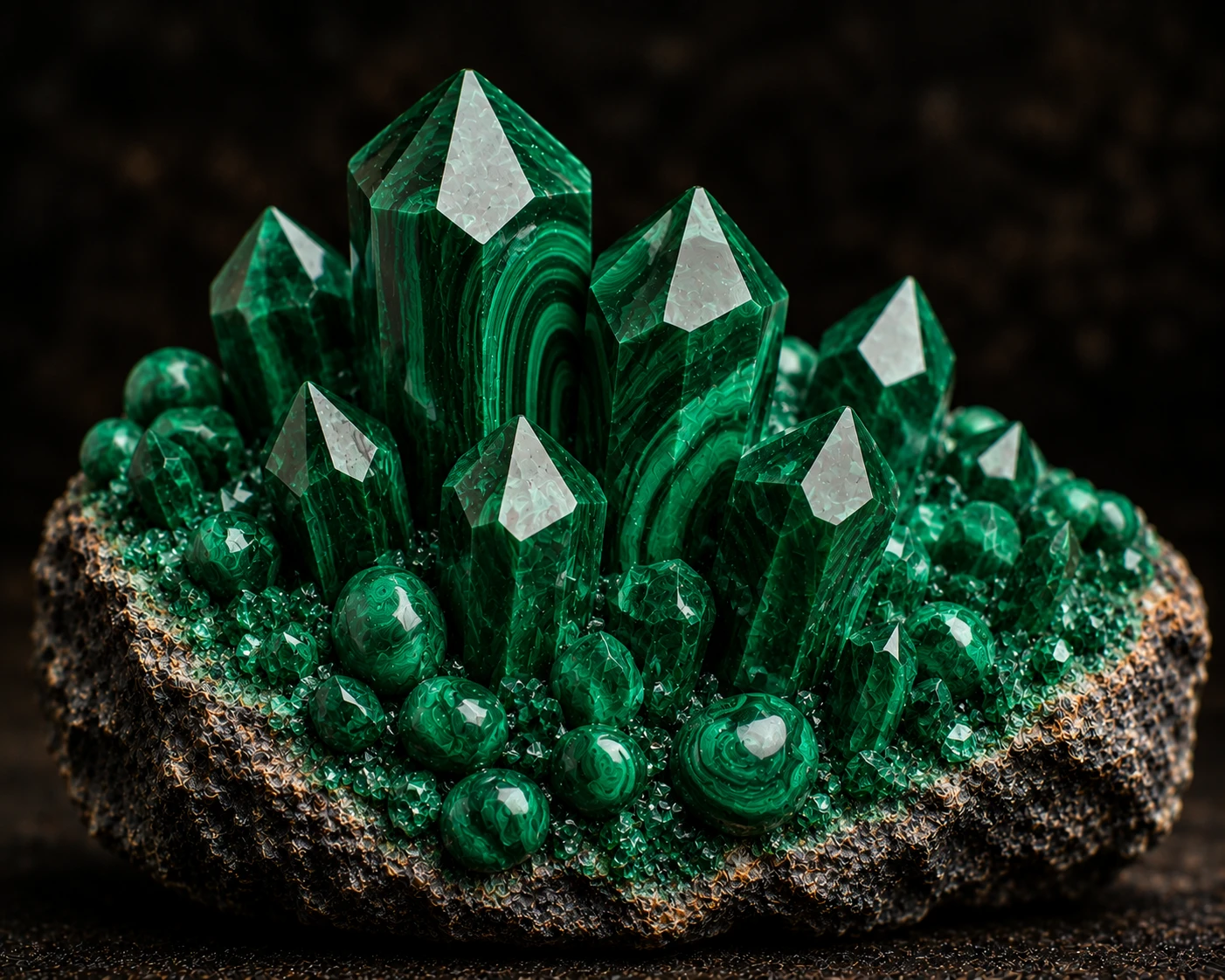
Malachite
Opal
Peridot
Rainbow Moonstone
Rose Quartz
Ruby
Sapphire
Sky Blue Topaz
Smoky Quartz
Tanzanite
Tourmaline
Turquoise
White Topaz
Shop By
Explore our curated collections
Birthstone
Discover by your birth monthZodiac Sign
Find your astrological match
Your Cart
Your Cart is empty
Continue ShoppingWishlist (0)
Your wishlist is currently empty.
SUGGESTED FOR YOU
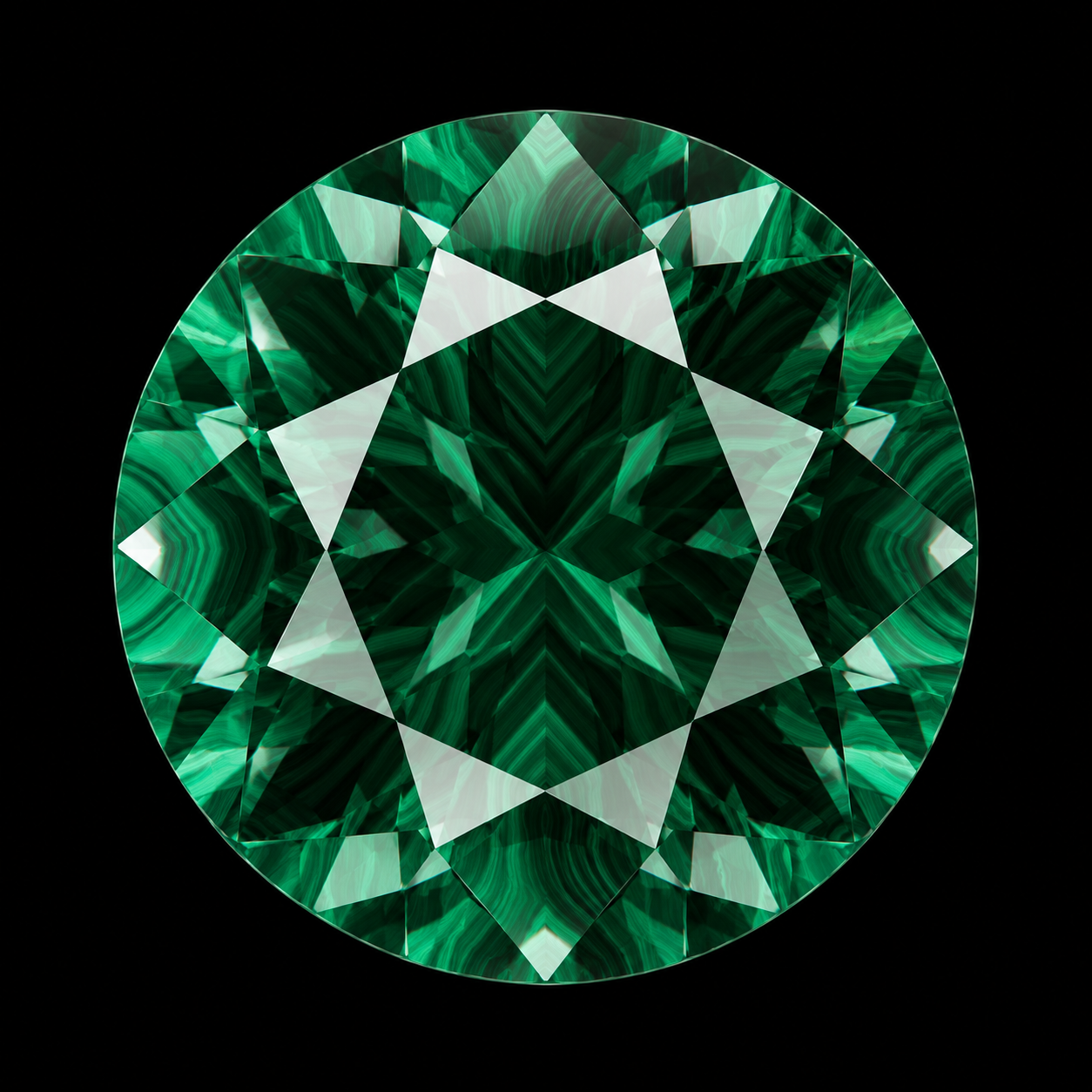
Malachite Buying Guide: How to Choose and Buy Authentic Malachite Gemstone
Walk through a gemstone store or browse jewelry collections online, and the malachite gemstone immediately draws attention. Deep greens, layered patterns, circular rings that almost resemble tree rings or ripples in water.
Being visually distinctive, selecting malachite might seem simple. However, in reality, they vary widely in quality. Some pieces show vivid banding and strong color contrast; others appear flat, dull, or overly uniform. Understanding those differences makes the buying process much easier.
What is a Malachite Gemstone?
Malachite is a copper carbonate mineral recognized for its rich green coloration and layered banding. Unlike transparent gemstones that depend on brilliance and sparkle, malachite gains its character from pattern and contrast. Ranging from a light mint to a deep forest green, the color of malachite can be found in stripes or curves across its surface, as well as in various natural shapes.
It has a hardness of 3.5 to 4 on the Mohs scale, which means that it is much softer than most other types of gems used to create jewelry. Long before it became a favorite in modern jewelry, malachite was ground into pigment by ancient Egyptian artisans and worn as a protective amulet. That history is part of why the stone still feels meaningful today rather than purely decorative; a detail worth knowing before your first purchase.
Formation, Sources, and Unique Features
Malachite forms through mineralization within copper deposits. When copper ore reacts with oxygen and mineral-rich water, chemical processes slowly produce copper carbonate minerals. Malachite is found in large quantities in multiple countries, including:
The Democratic Republic of the Congo: Malachites with a distinct layered type of banding and the strongest contrasts of color.
The Ural Mountains of Russia: High-quality decorative malachites since the beginning of civilization.
Namibia and Australia: Bright green malachite used for jewelry. Arizona, USA - Malachites alongside azurite.
Some malachite deposits also contain other copper minerals, such as azurite and chrysocolla. These deposits tend to have a mix of green and blue streaks, creating natural contrasts.
Types of Malachite Stones You Can Buy
Before choosing a piece, it helps to understand how malachite appears in the market. The stone is used in several forms depending on its purpose.
1. Raw Malachite Specimens
Raw malachite exhibits the mineral in an uncut or unpolished form. Many specimens show crystalline growths in the form of strings, as well as layered structures that depict the formation of malachite below ground. Collectors often seek raw malachite gemstones because they highlight the geological character of the stone.
2. Polished Malachite Stones
Polished malachite showcases its distinctive banding through careful shaping and smoothing. You'll find these stones presented in various forms, such as tumbled stones, palm stones, beads, or even intricate decorative carvings.
3. Malachite Gemstones for Jewelry
Jewelry typically uses cabochon-cut stones. A cabochon has a smooth, curved surface rather than facets, allowing the bands to remain clearly visible. Rings, earrings, pendants, and bracelets typically incorporate the malachite green gemstone because it pairs well with gold and silver metals.
Quality Factors: Evaluating Malachite Gemstones
Assessing malachite differs from evaluating transparent gemstones. Instead of brilliance or sparkle, buyers focus on color, pattern, polish, and structural integrity.
1. Color and Pattern
A high-quality malachite gemstone has a very bright green color with an apparent contrast between the darkest and the lightest bands. The most visually appealing gemstones are the ones with deep forest green tones and light bands. Patterns are also very significant when it comes to gemstones. Stones with circular “eye” formations, strong stripes, or flowing layered bands tend to be more desirable than pieces with faint patterns.
2. Clarity and Luster
Malachite is opaque, so clarity refers more to the stone's surface condition than transparency. A well-polished malachite gem should display a smooth finish and soft luster. The banding pattern should appear sharp rather than blurred.
3. Cut and Shape
Due to its softness, malachite is rarely faceted. Instead, jewelers shape it in ways that highlight the natural pattern. Common shapes include cabochons, rounded beads, freeform shapes, and decorative carvings. Cabochon cuts remain the most common for jewelry because they showcase the natural banding.
4. Size and Carat Weight
Compared to faceted gemstones, malachite is abundant due in part to its formation in large masses found in copper deposits. However, collectors and designers prefer malachites with finely defined banding, eye-formed concentric rings, and contrasting dark and light green bands over those with inconsistent aesthetics.
Malachite is sold primarily by weight instead of carat weight. This method of selling is primarily used for malachite intended for carving, inlays, architectural slabs, or decorative objects. Malachite is opaque and valued for its pattern rather than brilliance. Buyers often evaluate the piece based on surface pattern, structural stability, and polish rather than strict gemstone grading criteria.
Treatments and Authenticity
As malachite is porous and relatively soft, stabilization treatments are common. Wax or resin may be applied to strengthen the stone and protect the surface and is acceptable when disclosed properly. The market may also see imitations of malachite in the form of dyes or plastics. Authentic malachite can be identified by their weight, as there is copper within them. The bands have irregular patterns rather than perfect repetitions.
A few additional checks help confirm you're looking at a genuine malachite gemstone rather than a dyed or resin substitute.
Real malachite is opaque with no air bubbles — bubbles inside the stone usually point to glass or plastic.
The banding should look uneven and non-repeating, since natural formation rarely produces perfectly matched stripes; if a pattern looks too tidy or symmetrical, treat it as a warning sign.
Genuine malachite also feels noticeably heavy for its size because of its copper content, and the edges or drill holes tend to show a slightly uneven, natural fracture rather than a smooth, molded finish.
Before you buy malachite online, it's worth asking the seller whether the piece has been stabilized or coated and requesting close-up photos so you can check the pattern and edges yourself.
Malachite Price Guide
Malachite sits in a comfortable price range, especially for jewelry. At BAUTLR, pieces start around $35 for bezel studs and go up to about $55 for statement rings like the sun design. Pricing mainly reflects the richness of the green tones and how defined the natural banding looks. It makes malachite an easy entry point if you want something distinctive without stretching your budget too much.
Several factors influence the value of a malachite gemstone:
Richness of green color
Clarity of banding patterns
Surface polish
Quality of jewelry craftsmanship
All these factors are considered along with excellent, authentic craftsmanship at BAUTLR, giving you the best prices for your malachite jewelry. Check the real malachite jewelry collection today!
Benefits of Malachite Gemstone
Much like its look, malachite is often associated with change and protection. Traditionally, the benefits of malachite have been associated with the heart chakra, according to crystal knowledge. As a result, it is believed to provide emotional grounding.
Common symbolic associations include:
Emotional balance
Protection from negativity
Transformation
While these ideas are not scientific claims, they remain part of the cultural appeal surrounding the malachite gem. Malachite gemstone benefits are also tied to its long-standing connection with the heart chakra in crystal traditions, which is part of why the stone is traditionally worn close to the body in pendants and layered necklaces.
Some also pair it with specific zodiac signs, in much the same way birthstones are matched to a month or sign for personal meaning. None of that replaces the simplest reason most people choose it in the first place: it's a striking, affordable way to add real character to a jewelry collection.
Jewelry Applications and Care
The setting on the malachite jewelry is important for long-term wear. A bezel setting or a thicker metal edge protects the malachite and helps to prevent scratches or gouges into the malachite gemstone from frequent use or incidental blows.
Proper care helps preserve the stone's appearance:
Clean using mild soap and water with a soft cloth.
Avoid ultrasonic cleaners or harsh chemicals.
Store separately from harder gemstones.
Protect from heat and acidic substances.
Gentle handling helps maintain the surface polish of the malachite gemstone.
Styling Malachite Jewelry
A malachite green gemstone pairs naturally with warm gold settings, which echo its earthy tone, though sterling silver gives it a cooler, more modern look instead. Because each piece has a one-of-a-kind pattern, malachite jewelry tends to work best as a statement ring or pendant rather than something layered with too many other bold stones at once. It also makes a thoughtful gift, since no two banding patterns are ever quite the same.
To see how BAUTLR approaches this from sourcing to setting, take a look at our process and our promises.
Where to Buy Malachite
Knowing where to buy malachite can make a significant difference in quality and authenticity. When you shop with a trusted retailer, they focus on only the finest quality stones and source them transparently.
BAUTLR curates high-quality gemstone jewelry, promoting ethical sourcing practices, which makes people come back. This is why BAUTLR's handcrafted, luxurious jewelry pieces stand out –
Carefully selected ethically sourced gemstones
Visible natural banding, well-crafted jewelry settings designed to protect softer gemstones
Clear product descriptions and quality transparency
Designs that highlight the unique character of each stone
This approach ties directly into BAUTLR's broader sustainability commitments, which shape how every gemstone, malachite included, is sourced and handled before it reaches a setting.
For unique, authentic malachite jewelry, visit BAUTLR online!
Buying Tips and Red Flags
Even though malachite is visually recognizable, buyers should still check a few technical details before purchasing. When evaluating malachite gemstones, consider the following practical checks:
Authenticity documentation or certificates, when available
A natural malachite streak test typically produces a pale green streak
The stone reacts with acid due to its copper carbonate composition, producing slight effervescence
The warning signs of fake or cheap stones include having an extremely uniform stripe pattern, having brightly colored stones, or feeling very lightweight. A well-chosen malachite has visual depth, historical value, and unique stripe patterns that cannot be found in many other gemstones.
Hello! How can I help you?