Popular Searches
Explore by Intention
Your wishlist is currently empty.
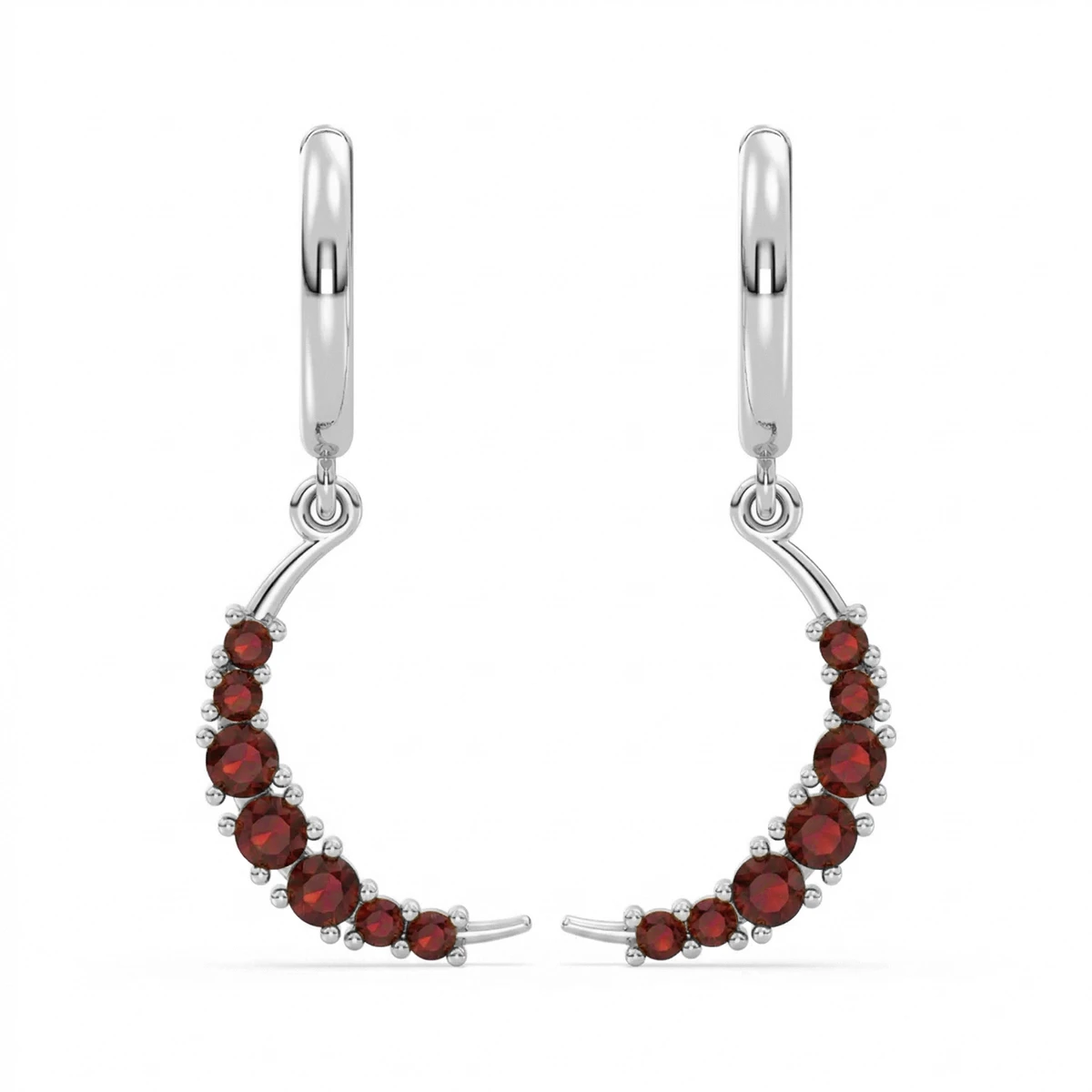
Garnet Crescent Drop Hoop Earrings
$96.00
Petite Amethyst ring in 18K Gold Plated and Sterling Silver
$52.00
Multi Tourmaline pave stud earrings
$84.00Your Cart
0 ItemsYour Cart is empty
Start ShoppingFind What Resonates
With You
Discover the perfect gemstone for you
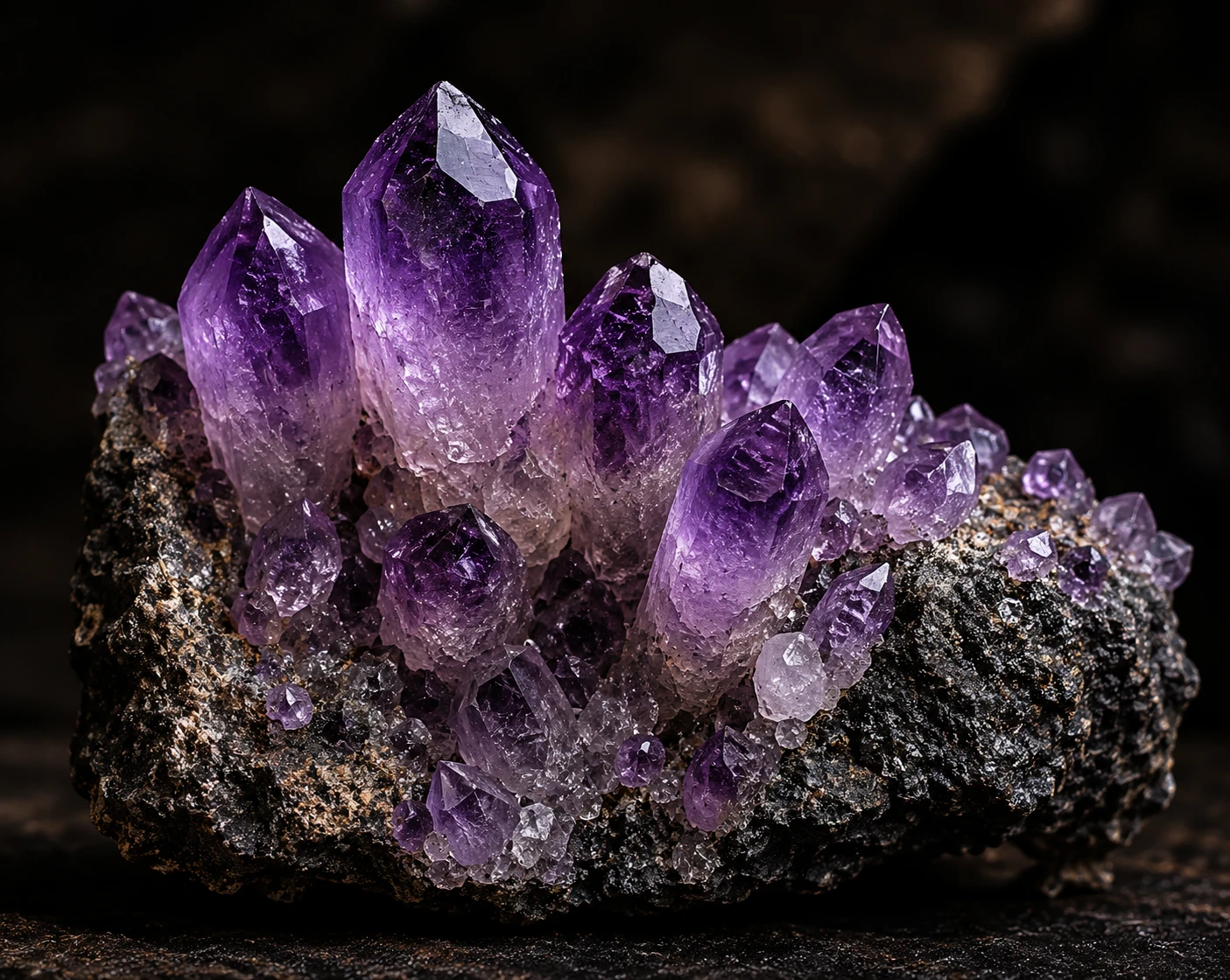
Amethyst
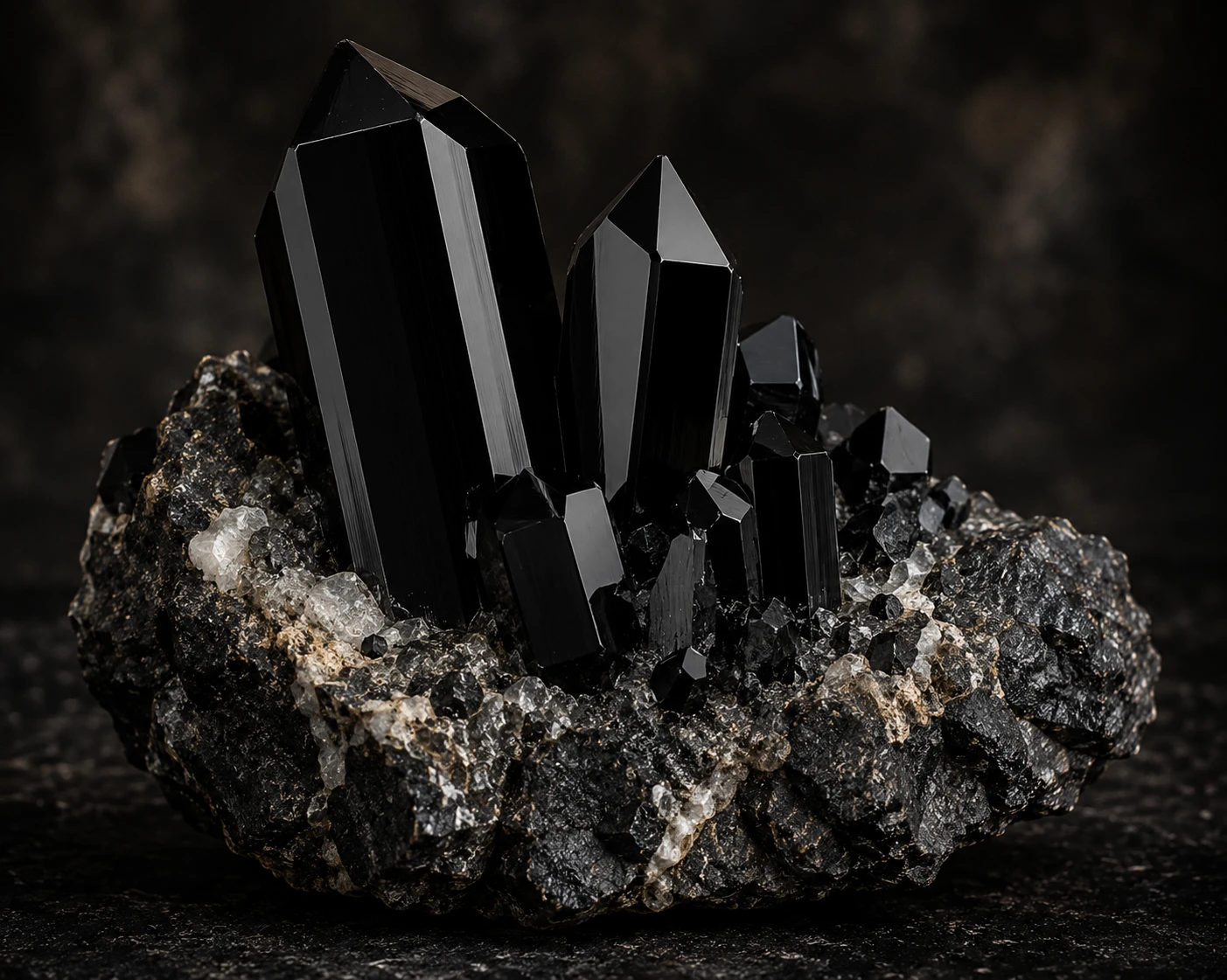
Black Onyx
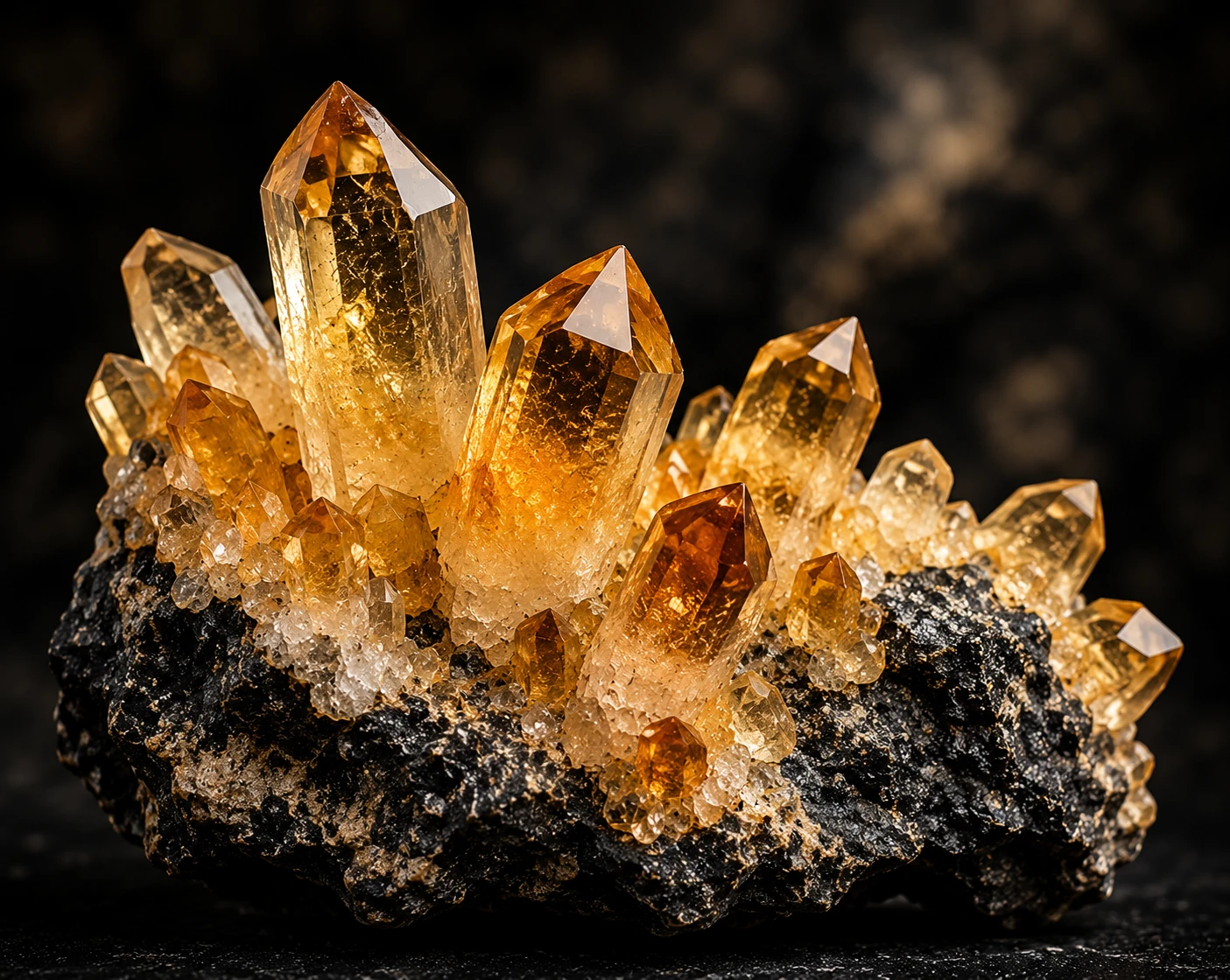
Citrine
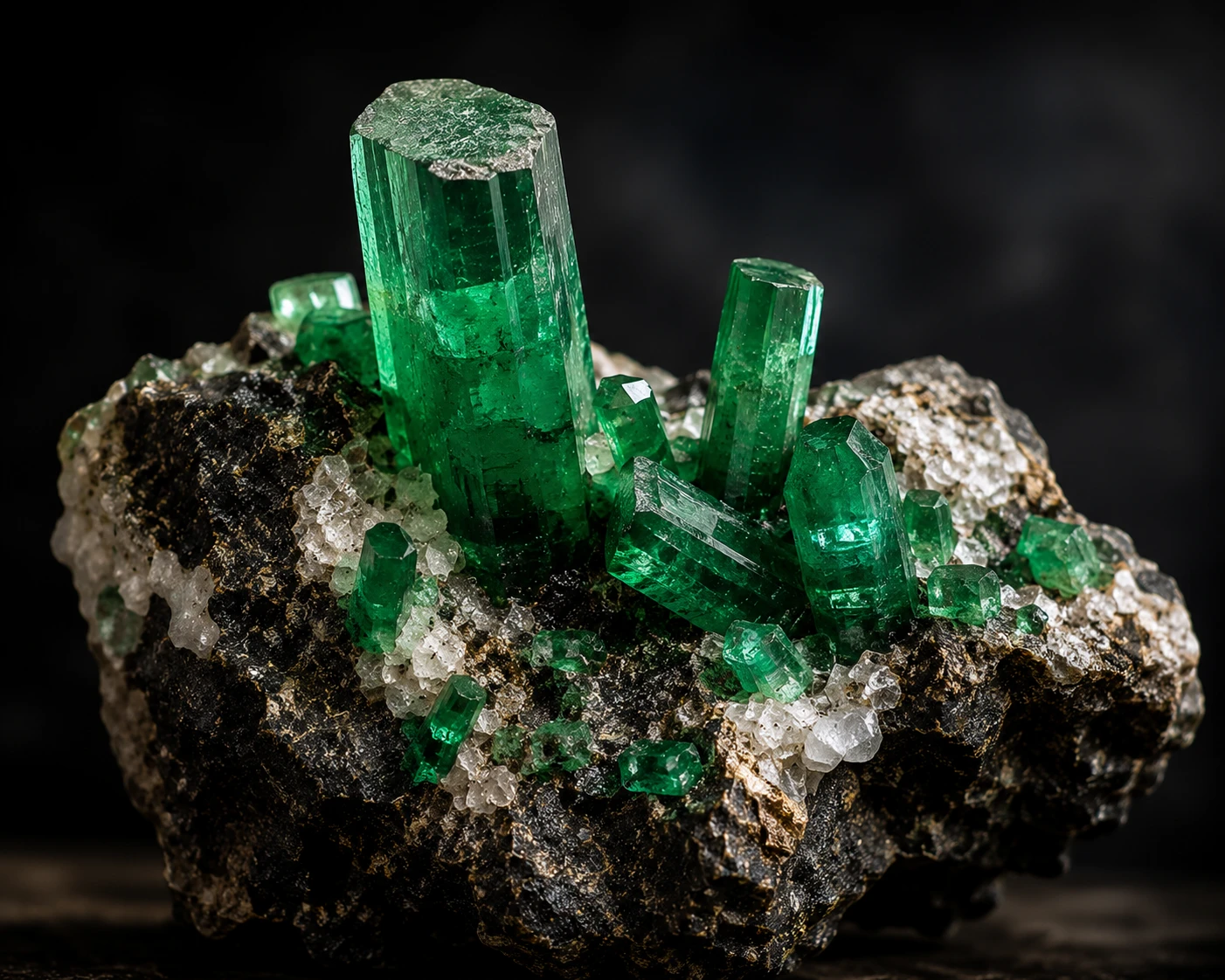
Emerald
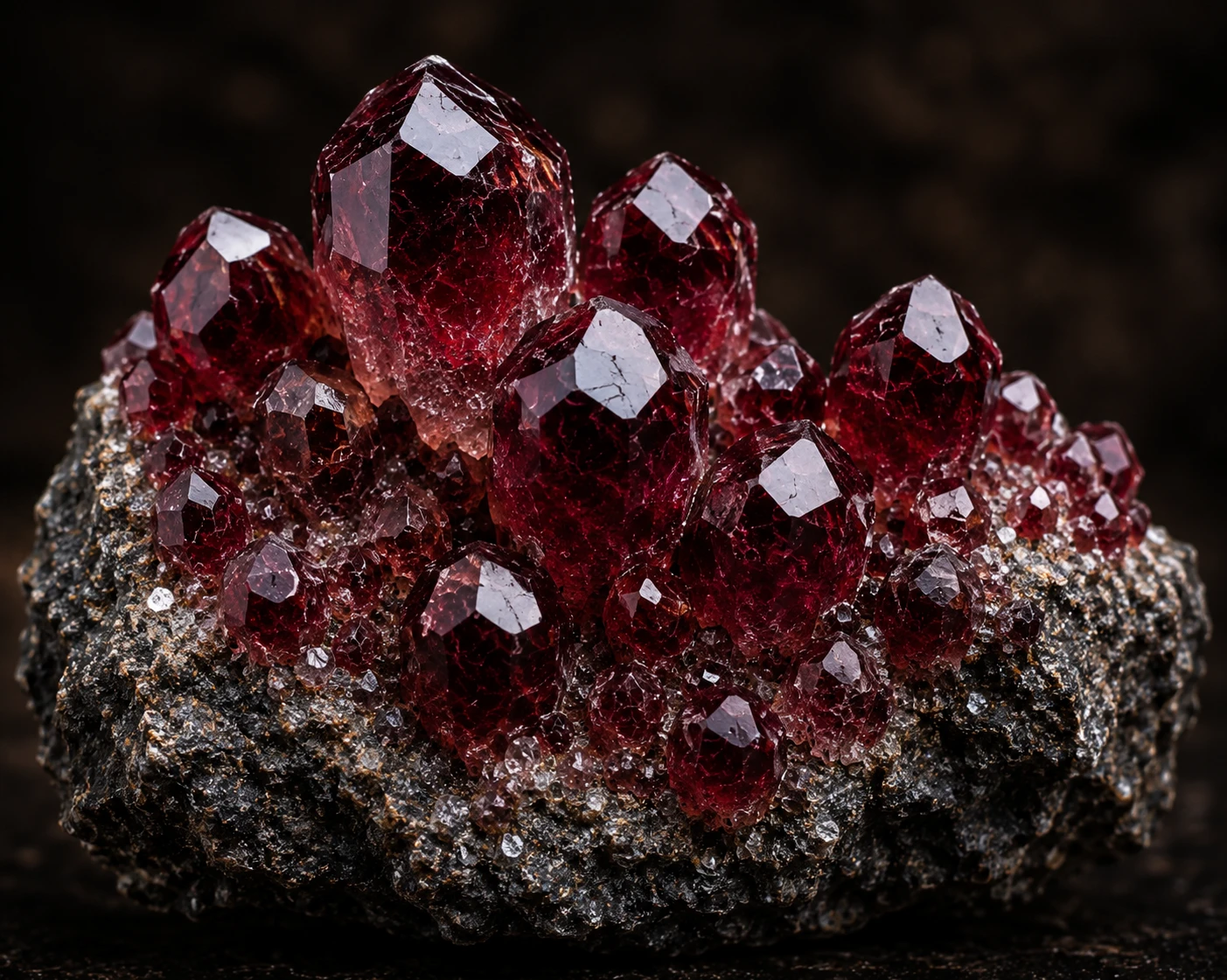
Garnet
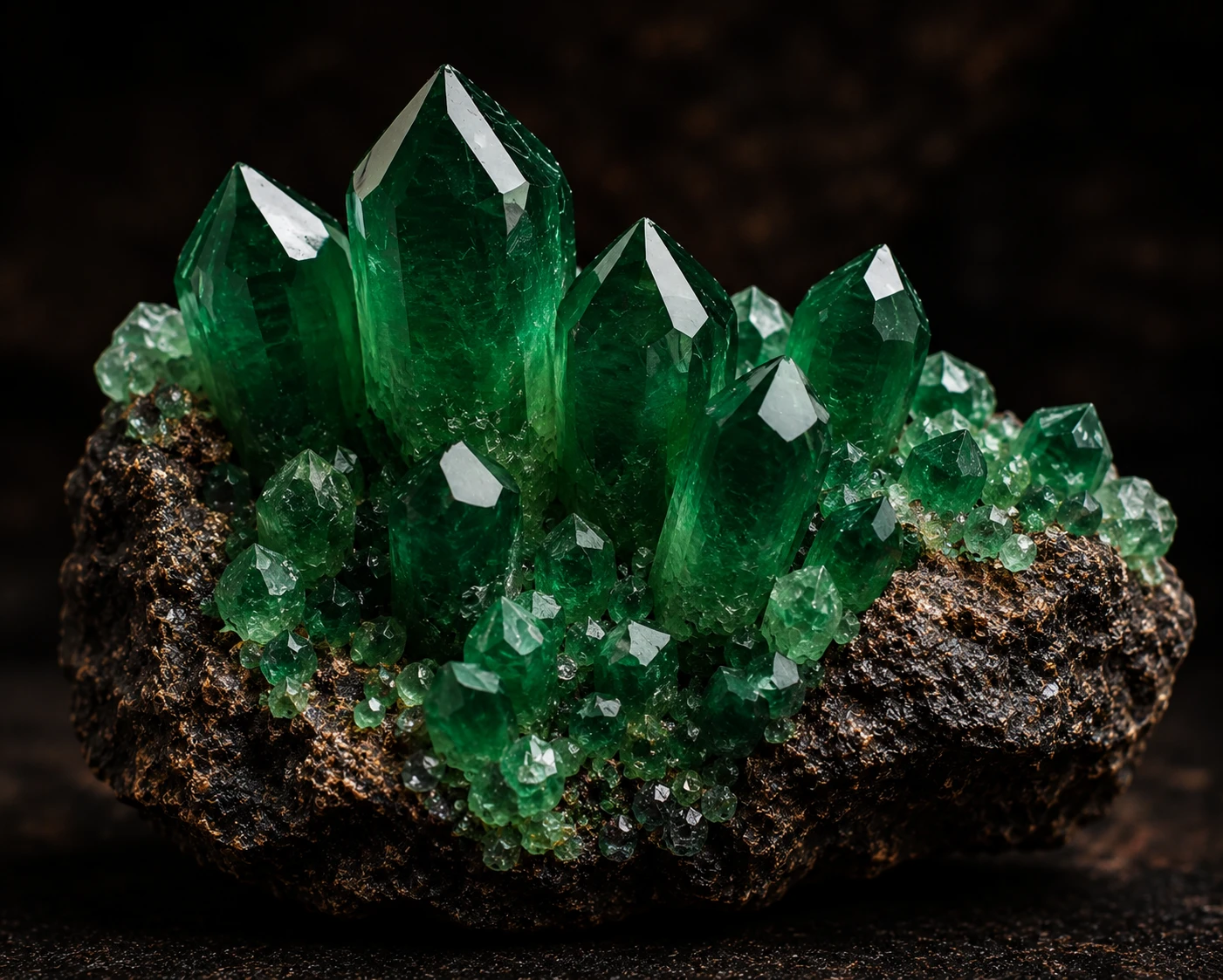
Green Onyx
Labradorite
Larimar
London Blue Topaz
Malachite
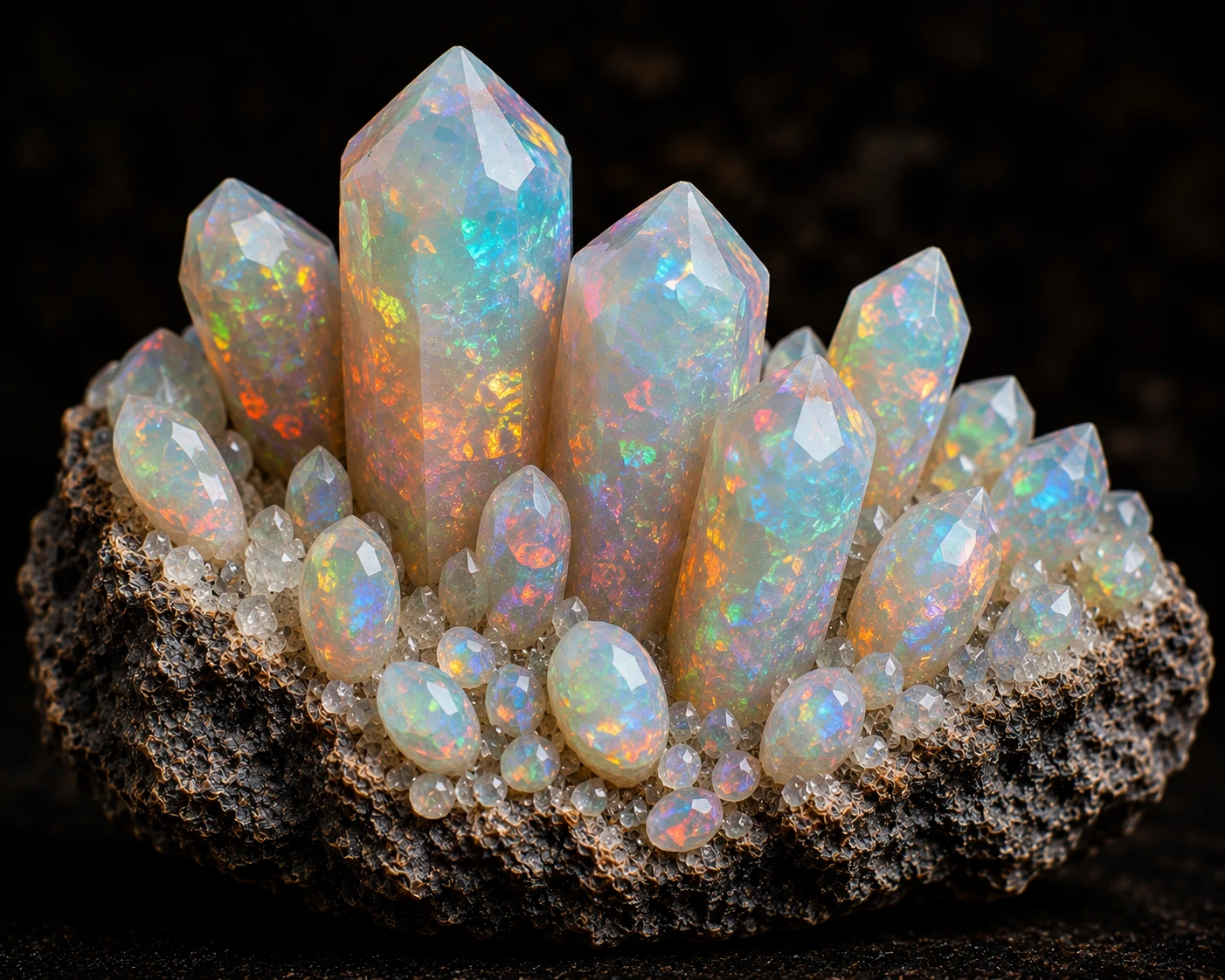
Opal
Peridot
Rainbow Moonstone
Rose Quartz
Ruby
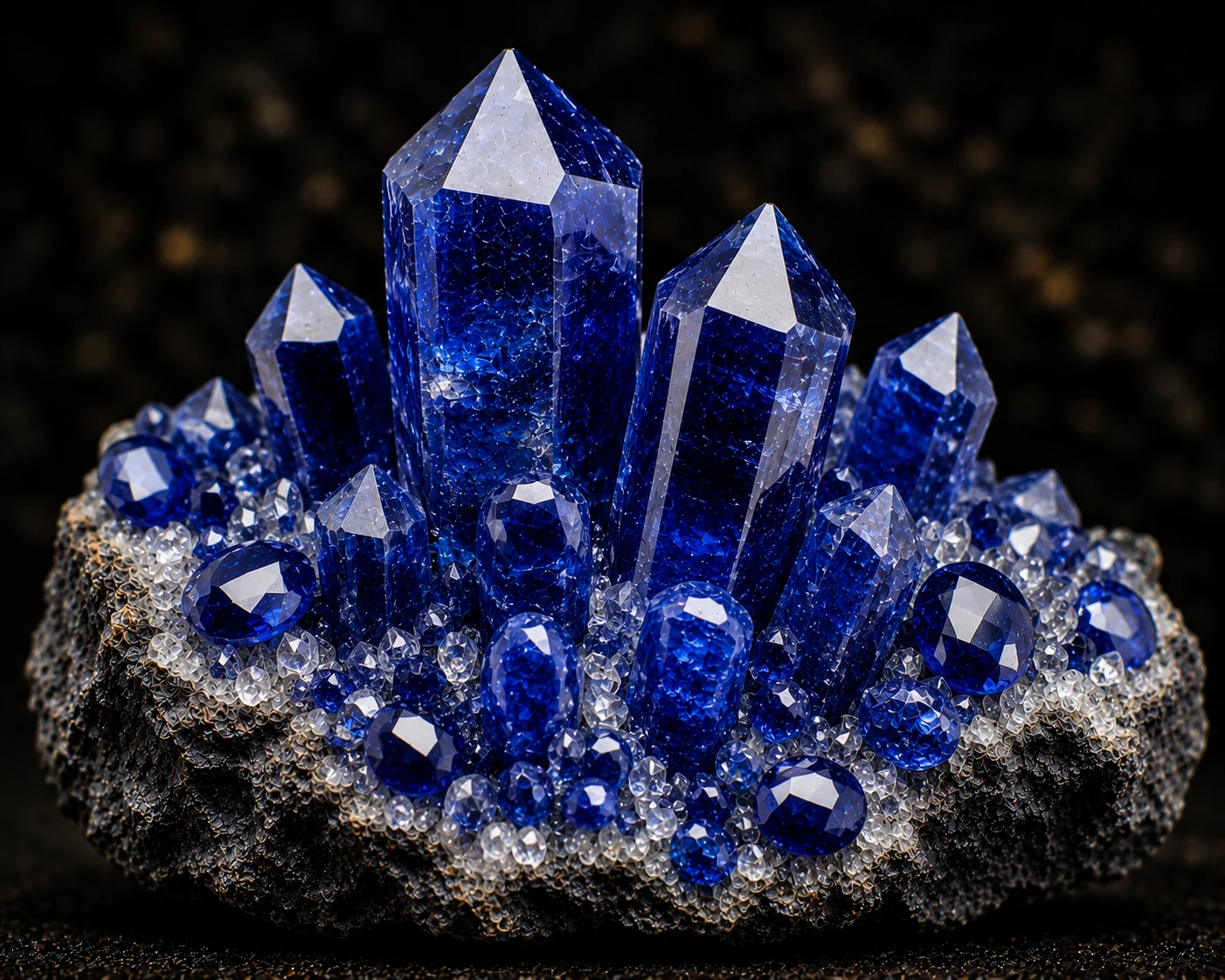
Sapphire
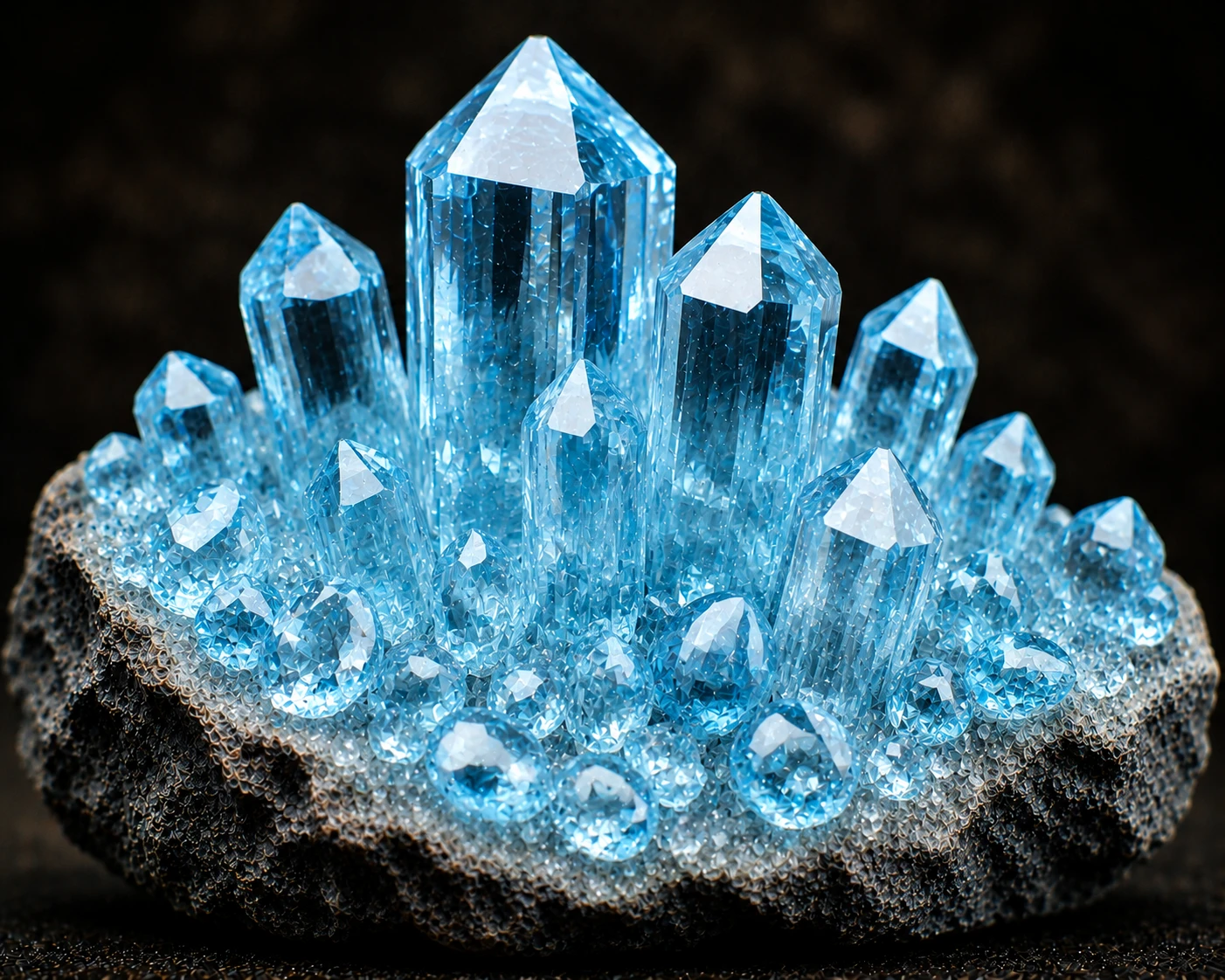
Sky Blue Topaz
Smoky Quartz
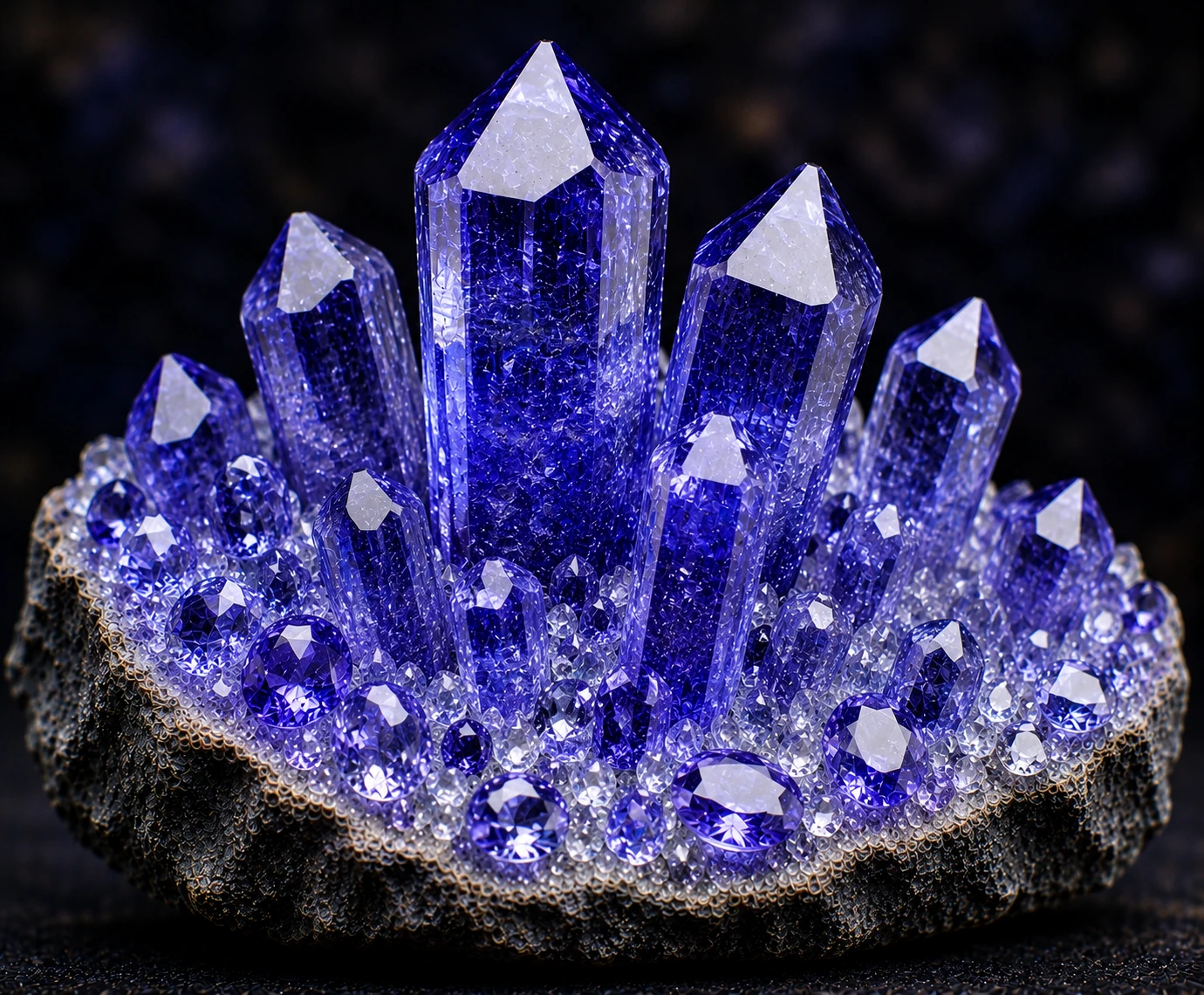
Tanzanite
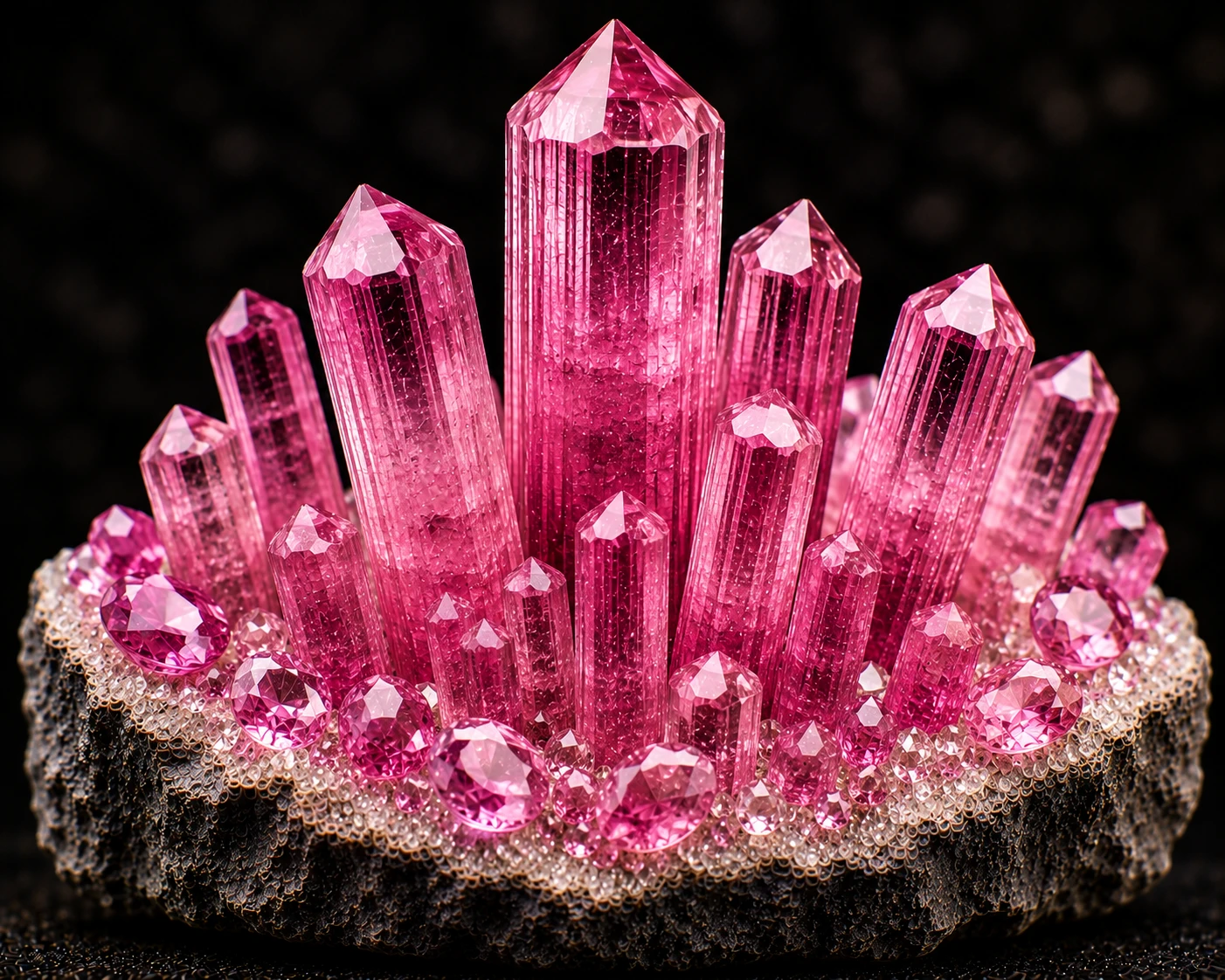
Tourmaline
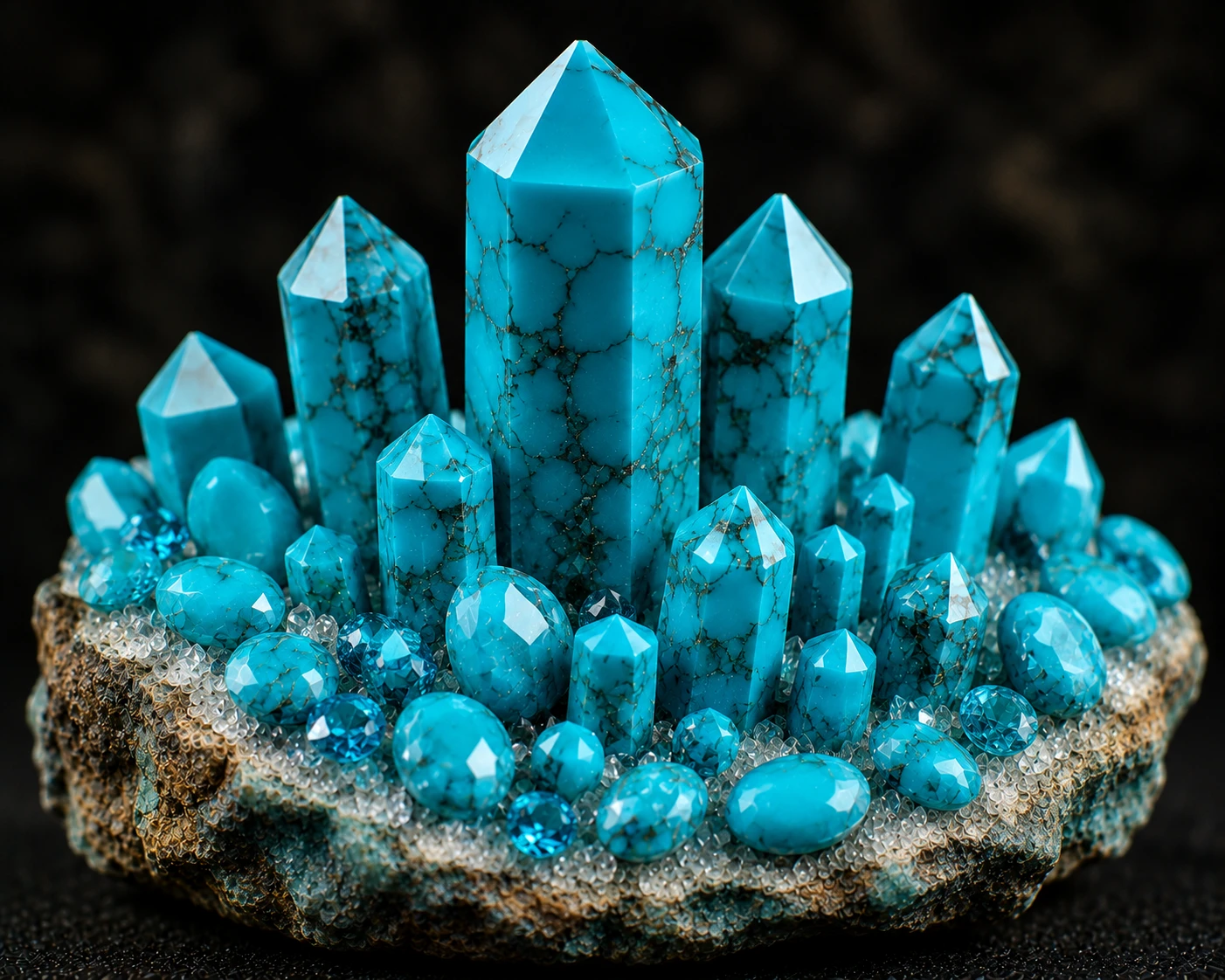
Turquoise
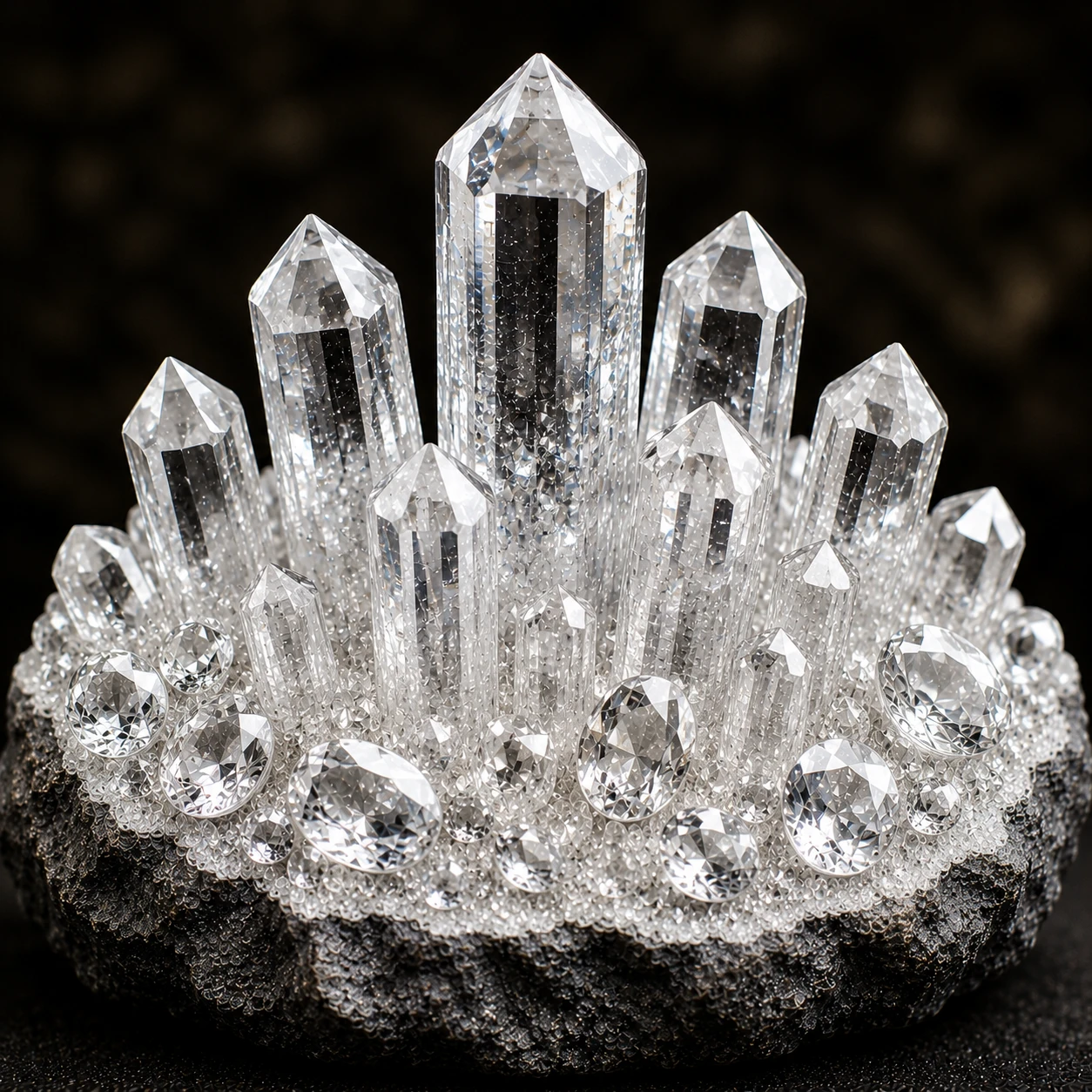
White Topaz
Shop By
Explore our curated collections
Birthstone
Discover by your birth monthZodiac Sign
Find your astrological match
Your Cart
Your Cart is empty
Continue ShoppingWishlist (0)
Your wishlist is currently empty.
SUGGESTED FOR YOU
Choosing an Authentic Opal Gemstone: What Actually Matters
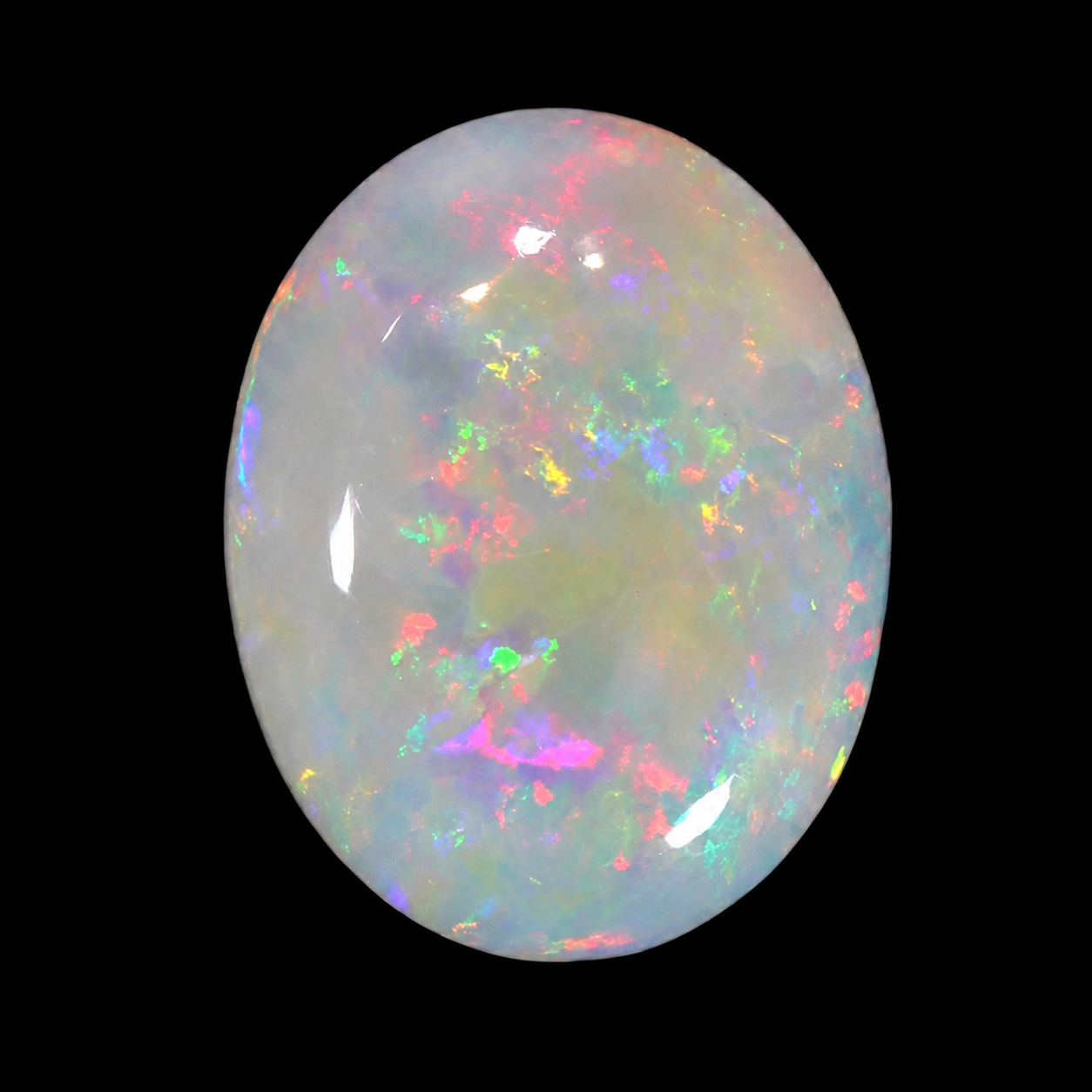
Opal is another one of those rocks that is fascinating just because of how it seems to speak for itself without shouting. It could seem soft and subdued on first look, perhaps even somewhat milky or glass-like. However, once the light hits it, everything changes. Small hints of green, blue, and even some warmer colors start to flash through the rock, as though they are dancing through it.
There are many variances in opal gemstones, and if you are planning to buy opal jewelry, knowing how they're made and how they get judged will help you avoid making mistakes. This guide outlines the basics of opal, from how they are created to the types of opal gemstones, the price of opal gemstones, and how to check for the virility of this gemstone prior to purchasing.
What is Opal?
The opal is a mineraloid and is primarily composed of silica plus water. Unlike other types of minerals, opals have no definitive crystal structures. Instead, they are composed of small globes of silica distributed throughout several different layers. Due to this, light interacts differently with an opal based on the angle you view it from. A major characteristic of an opal is how the light interacts with it, and its color shifts.
How you see an opal may look different based on how you are illuminated by the sun or other lighting configurations, and at what angle you see the opal. An opal may have soft pastel colors or bright, vivid rainbow colors all over it.
On the Mohs hardness scale, opal ranges from 5.5 to 6.5, so opals are not as hard as most of the other types of gemstones used in jewelry today. However, opals should not be excluded as options for jewelry, such as a ring or pendant, but they should be set in a way that protects the opal.
Opal: The October Birthstone
Opal has been the official birthstone for October since the modern birthstone list was formalized in the 16th century, sharing the month with tourmaline. It's a fitting stone for the role, honestly, since no two opals ever show quite the same play-of-color, which makes each one feel personal in a way a lot of birthstones don't. If you're shopping for an October birthday, our birthstone guide covers how each month's stone is traditionally chosen and what it's meant to represent.
Is Opal Really Bad Luck?
No, it’s not true. The superstition traces back to an 1829 novel by Sir Walter Scott, in which a character's opal-set hairpiece loses its fire and the character dies shortly after. Readers at the time took the fictional plot literally, and the idea that opal brings misfortune stuck around for nearly two centuries despite having zero factual basis. Long before that novel, ancient Greeks actually believed opals offered protection and foresight, and Bedouin tradition held that opals contained trapped lightning. So if superstition is the only thing holding you back from opal jewelry, it's safe to let that one go.
Formation, Sources, and Unique Features of Opal Gemstone
The formation process of the opal appears to be slow and even accidental in many cases. Opals form as a result of the movement of silica-rich water through the tiny spaces of rocks underground. The evaporation of this water results in the accumulation of silica layers. Something unusual then takes place. Silica spheres form in small quantities and arrange themselves in a certain structure. Refraction of light occurs because of that.
A few key things to know:
Major sources include Australia, Ethiopia, Mexico, Brazil, and Honduras
Australian opals are known for more stable and consistent color patterns
Ethiopian opals often show brighter flashes but are more porous and need careful handling
The play of color comes from how evenly those tiny silica spheres are arranged
Australia alone produces the majority of the world's precious opal supply, which is part of why origin and responsible mining practices are something we pay close attention to, covered in more detail on our sustainability page.
Types of Opal You'll Encounter While Shopping
Before getting into quality factors, it helps to know the main categories, since price and appearance vary enormously between them.
White Opal — the most common type, with a light, milky body tone. Play-of-color is softer here since there's less contrast to work with, but it's an accessible, classic entry point.
Black Opal — the rarest and most valuable type, with a dark gray to black body tone that makes flashes of color appear dramatically vivid. The most fine black opal comes from Lightning Ridge, Australia.
Fire Opal — typically translucent red, orange, or yellow, and often lacks the shimmering play-of-color seen in other types. Valued instead for its warm, glowing body color, especially in Mexican material.
Boulder Opal — thin seams or patches of precious opal naturally attached to its host ironstone, mostly from Queensland, Australia. Priced differently than other types since buyers are paying for the combined stone, not opal weight alone.
Crystal Opal — defined by transparency rather than color, ranging from clear to a rich, glassy look. Can occur within white, black, or boulder opal.
Quality Factors: Evaluating Opal Gemstones
Given the focus on clarity and brilliance for diamonds, color play and pattern receive the most attention when reviewing an opal.
Color
When looking for fire opals, the quality of the color-play effects is essential. Bright flashes move across the surface of well-cut pieces from changing angles. The colors should be vivid and not dull.
Body Tone
The color of the opal gemstone will influence its value as well. Darker base colors will generally enhance the play-of-color, and therefore make the colors more intense. As a result, black opals usually have higher values than light opals.
Pattern and Distribution
Some stones show scattered color patches, while others display defined patterns such as:
Harlequin pattern with repeating color blocks
Broad flash patterns covering large sections of the stone
Pinfire patterns with tiny scattered color points
Patterns that appear evenly distributed across the surface generally increase the desirability of opal gemstones.
Cut and Shape
Compared to other types of gemstones, opal is typically cut into a cabochon instead of faceted shapes. This allows for the curvature of the stone to enhance the visibility of the play-of-color effect. When creating an opal gemstone piece of jewelry, the cut used should provide the maximum amount of visible color, while still preserving the overall structure.
Size and Carat Weight
Opal is measured in carats like most gemstones. Larger stones with strong play-of-color and good pattern distribution can become significantly more valuable. However, quality remains more important than size when evaluating opal gemstone material.
Treatments and Authenticity
Some opals may be treated to enhance their appearance and durability, such as by stabilization, which is a process of reinforcing porous stones with resin. Doublets and Triplets are also prevalent in the commercial opal markets, which consist of thin slices of opal adhered to a base material. These composite stones frequently have a transparent layer on top for protection.
Though composite stones are extensively used in opal gemstone jewelry, buyers need to note that they are not solid opal. Typical opal gemstones will have differing colors, while artificial & synthetic opal will share a uniform repeating pattern throughout the stone. A trustworthy seller should indicate if a stone is a natural, treated, or composite composition, which is a standard we hold ourselves to on our promises page.
Opal Price Guide
The price of an opal varies on many factors, including colour saturation, artistic patterns, country of origin, and the opal's quality.
Several factors influence the price of opal gemstones:
Brightness and intensity of play-of-color
Rarity of color flashes, especially red
Body tone of the stone
Pattern distribution across the surface
Size and overall craftsmanship in jewelry settings
To give you a real sense of range: common white opal typically runs from around $10 to $150 per carat. Fire opal and other translucent varieties fall somewhere between $10 and $500 per carat depending on color intensity. Boulder opal spans a wide range too, often $20 to a few thousand dollars per carat depending on color coverage and pattern. Black opal sits at the top of the market, starting around $50 per carat for lower grades and climbing well past $10,000 per carat for exceptional stones with rare, vivid patterns.
Craftsmanship and setting quality factors into the final price too, something we're transparent about on our process page. If you are looking for authentic opal gemstone jewelry, you can compare several pieces to understand how BAUTLR offers a range of options both in affordability and quality.
Benefits of Opal Gemstone
The opal gemstone provides a symbolic meaning for many people of different cultures. Opal has been viewed by cultures throughout history to represent creativity, transformation, and emotional expression. Crystal traditions often associate opal gemstones with personal intuition, inspiration, and emotional harmony.
Jewelry Applications and Care
Unlike many gemstones, opals are a favorite for their ability to reflect light from multiple angles, making them great choices for many pieces of jewelry. As such, you may find them used in rings, earrings, pendants, and bracelets as centrepieces.
Opal gemstone jewelry mostly has protective settings to enhance its durability against abrasions and impacts. They require careful handling and maintenance.
A few practical precautions help maintain their appearance:
Avoid ultrasonic cleaners or harsh chemicals
Clean gently using mild soap and water
Store separately from harder gemstones
Protect from prolonged heat or dryness
Because opal contains water within its structure, extreme temperature changes can sometimes cause cracking, a condition gemologists call "crazing." It's a network of fine surface cracks caused by moisture loss, usually from prolonged heat, dryness, or direct sunlight, and once it happens, it's permanent and significantly lowers the stone's value. This is exactly why setting and everyday handling matter so much with opal.
For rings specifically, worth a quick note since it's a common question: opal can absolutely be worn in an engagement ring or worn daily, but its softer 5.5–6.5 hardness means a protective setting, like a bezel that shields the edges, matters more here than it would with a harder stone like sapphire.
Where to Buy Opal
The best retailers feature authentic opal jewelry that is properly made, selected thoughtfully, and has high-quality craftsmanship. BAUTLR selects opal gemstone jewelry both for design and quality of gemstone. Each piece showcases the natural play of colour that is typical of opals to ensure that it will be the main attraction of that gemstone in the piece.
Buyers exploring opal gemstones through BAUTLR benefit with:
Curated stones with visible play-of-color
Protective jewelry settings
Transparent descriptions and product information
Designs that emphasize the individuality of gemstones
For buyers looking to explore distinctive gemstone jewelry, BAUTLR offers a reliable starting point to confidently choose an opal gemstone. Shop authentic opal jewelry today!
Buying Tips and Red Flags
Even though opal is visually distinctive, buyers should still evaluate a few technical details before purchasing.
When examining opal gemstones, consider the following:
Brightness and movement of the play-of-color under different lighting conditions
Confirm whether the stone is solid opal, doublet, or triplet
Information about treatments or stabilization
There are also a few warning signs that may indicate lower-quality stones or imitations, such as:
Extremely uniform patterns
Dull stones with minimal color movement
Unusually low prices
Natural opal gemstones nearly always exhibit subtle variations in color distribution found in them, and those color changes are part of what makes your opal special. Of all the gemstones opal shoppers browse, this natural irregularity is really the easiest tell between a genuine stone and an imitation.
Hello! How can I help you?