Popular Searches
Explore by Intention
Your wishlist is currently empty.
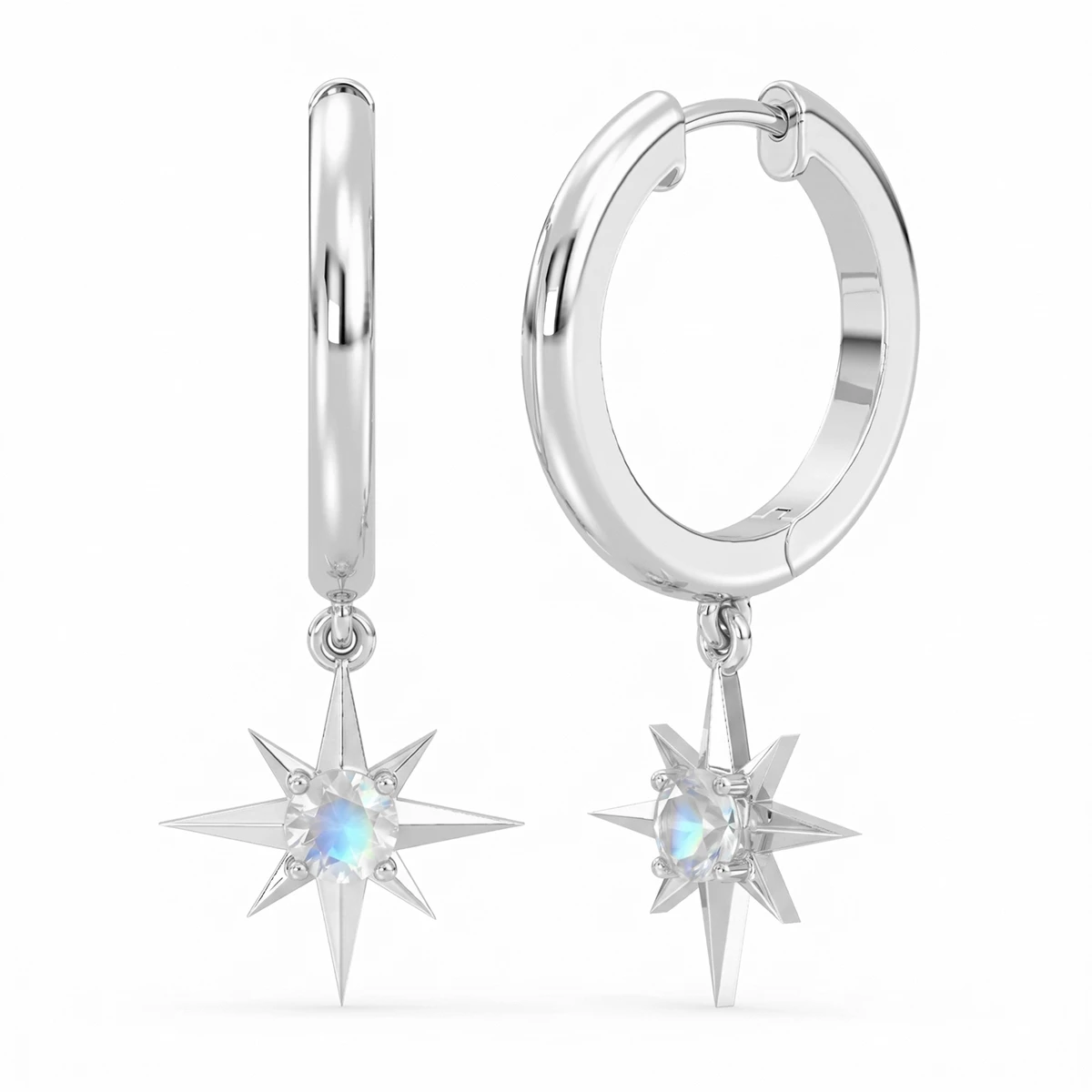
Rainbow Moonstone Starburst Hoop Earrings
$96.00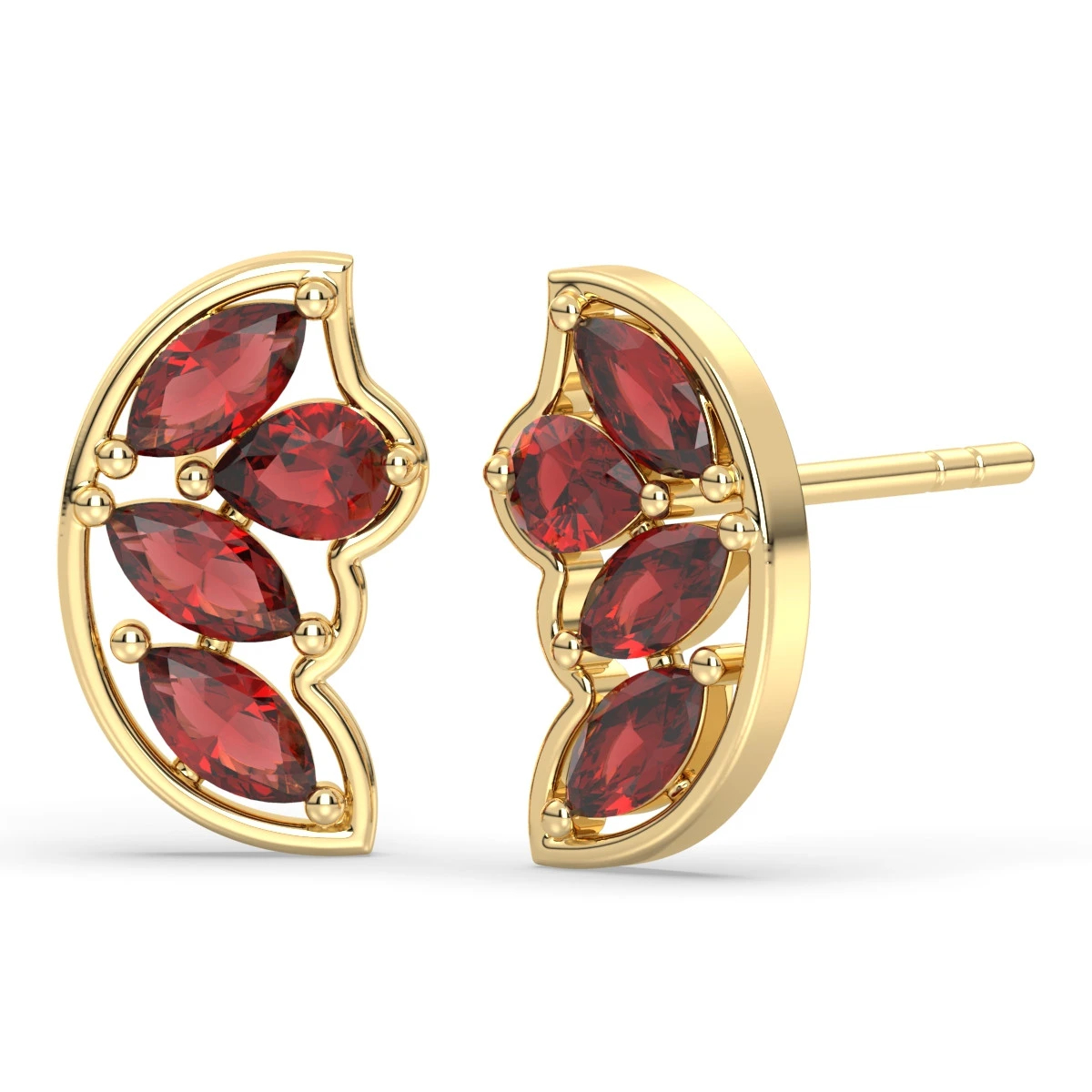
18K Gold Plated Garnet feather stud earrings
$80.00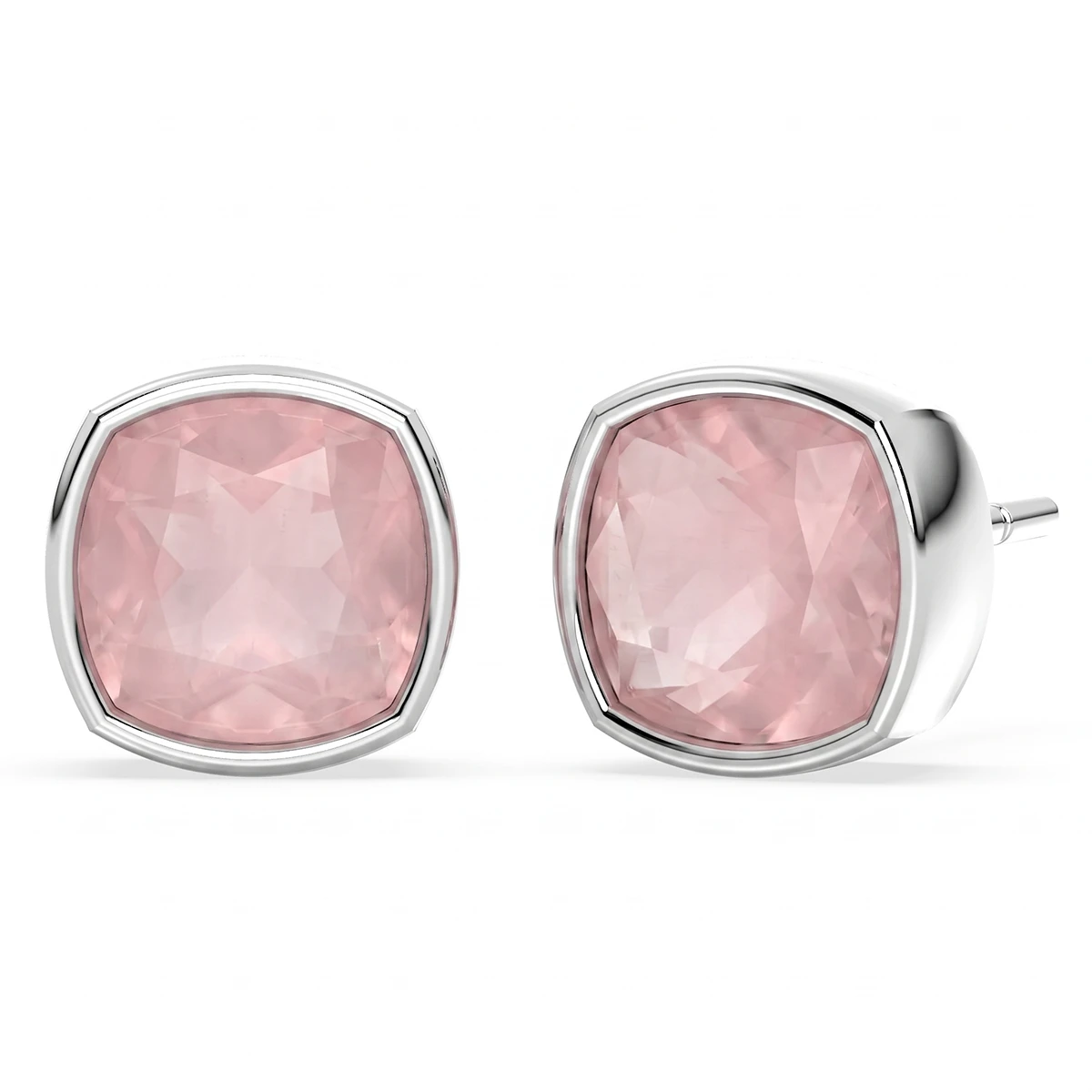
Solitaire Rose Quartz Cushion Cut Stud Earrings
$88.00Your Cart
0 ItemsYour Cart is empty
Start ShoppingFind What Resonates
With You
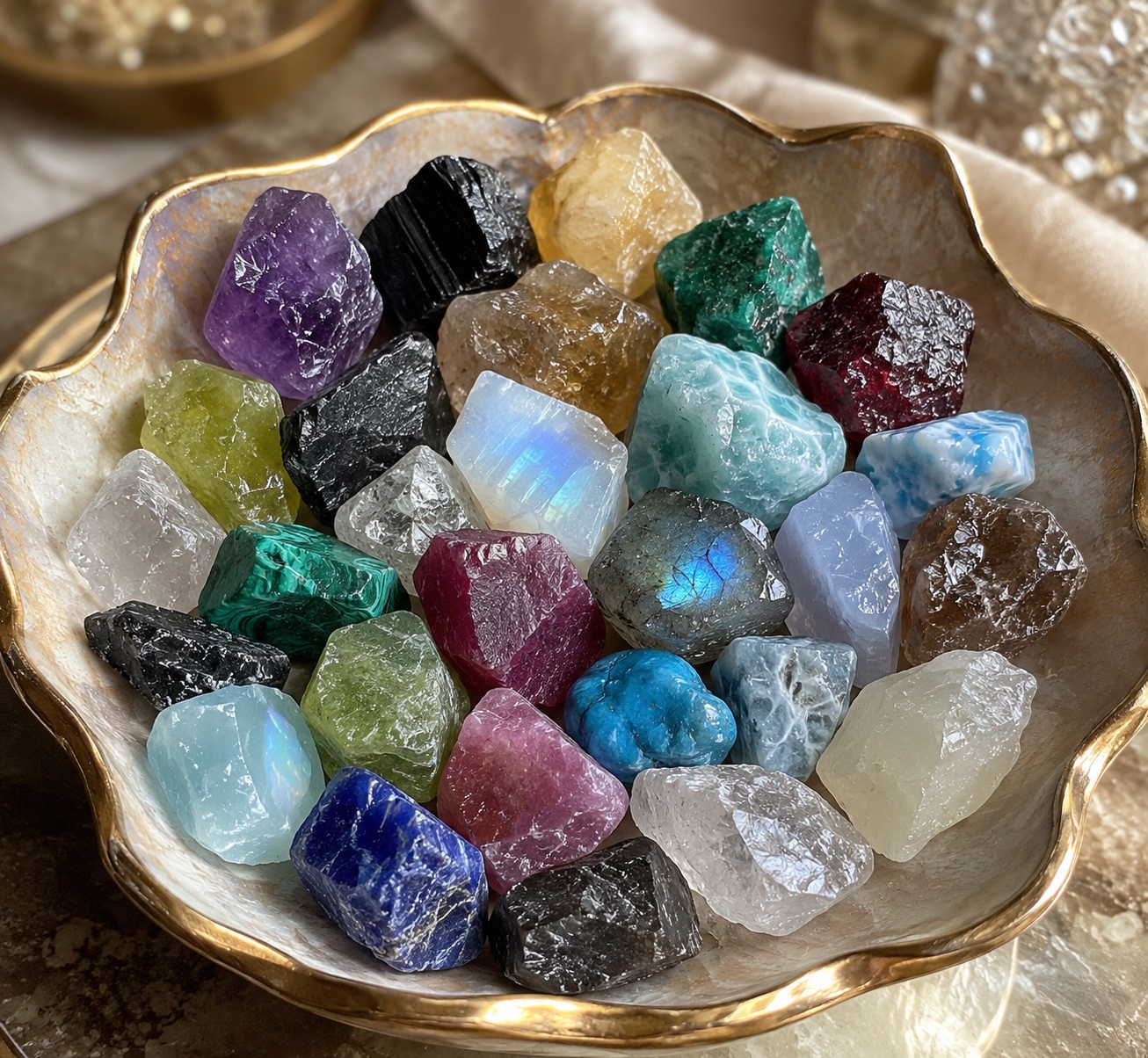
Discover the perfect gemstone for you
Amethyst
Black Onyx
Citrine
Emerald
Garnet
Green Onyx
Labradorite
Larimar
London Blue Topaz
Malachite
Opal
Peridot
Rainbow Moonstone
Rose Quartz
Ruby
Sapphire
Sky Blue Topaz
Smoky Quartz
Tanzanite
Tourmaline
Turquoise
White Topaz
Shop By
Explore our curated collections
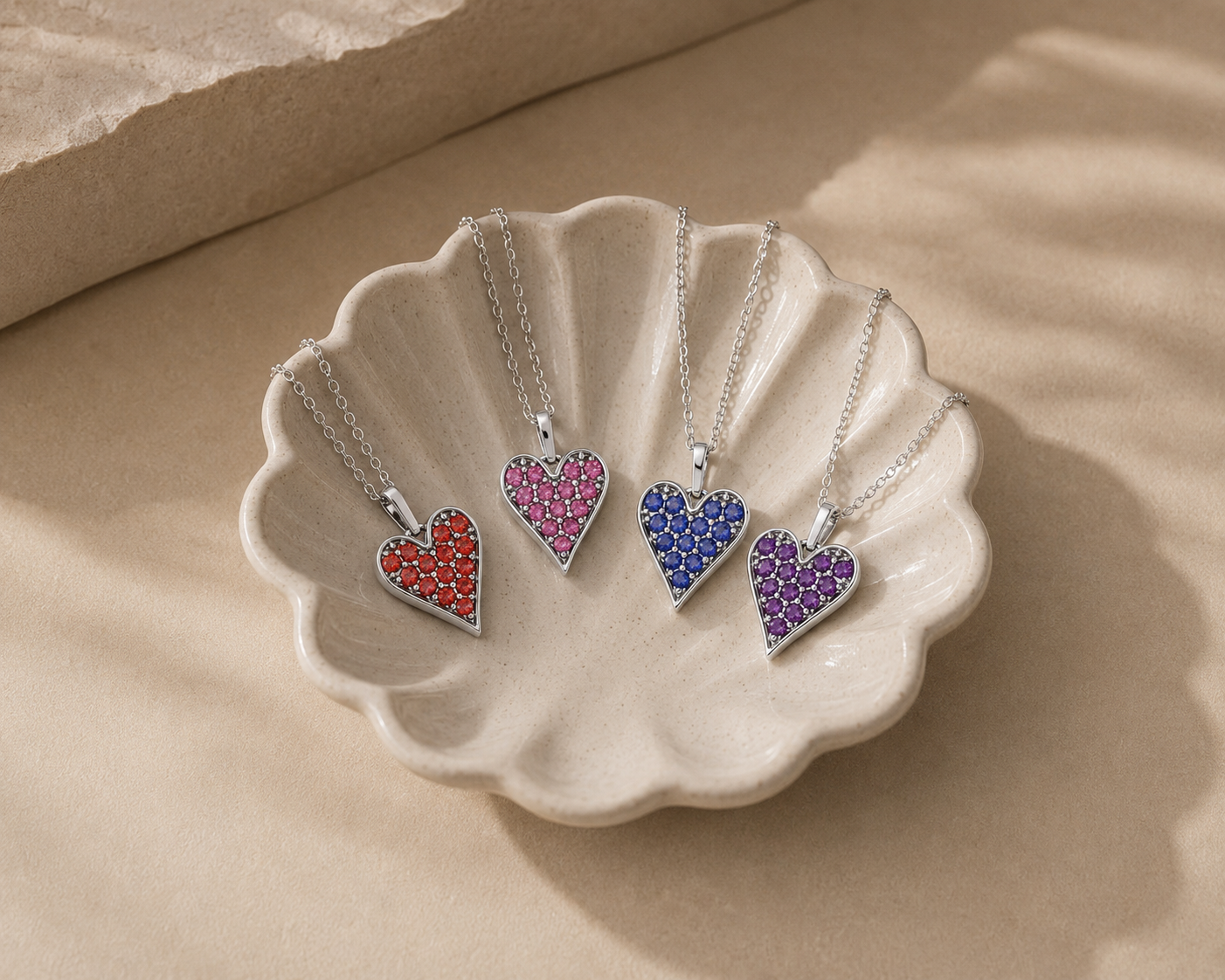
Birthstone
Discover by your birth monthZodiac Sign
Find your astrological match
Your Cart
Your Cart is empty
Continue Shopping
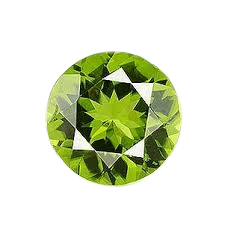
A Buyer's Guide to Choosing the Perfect Peridot
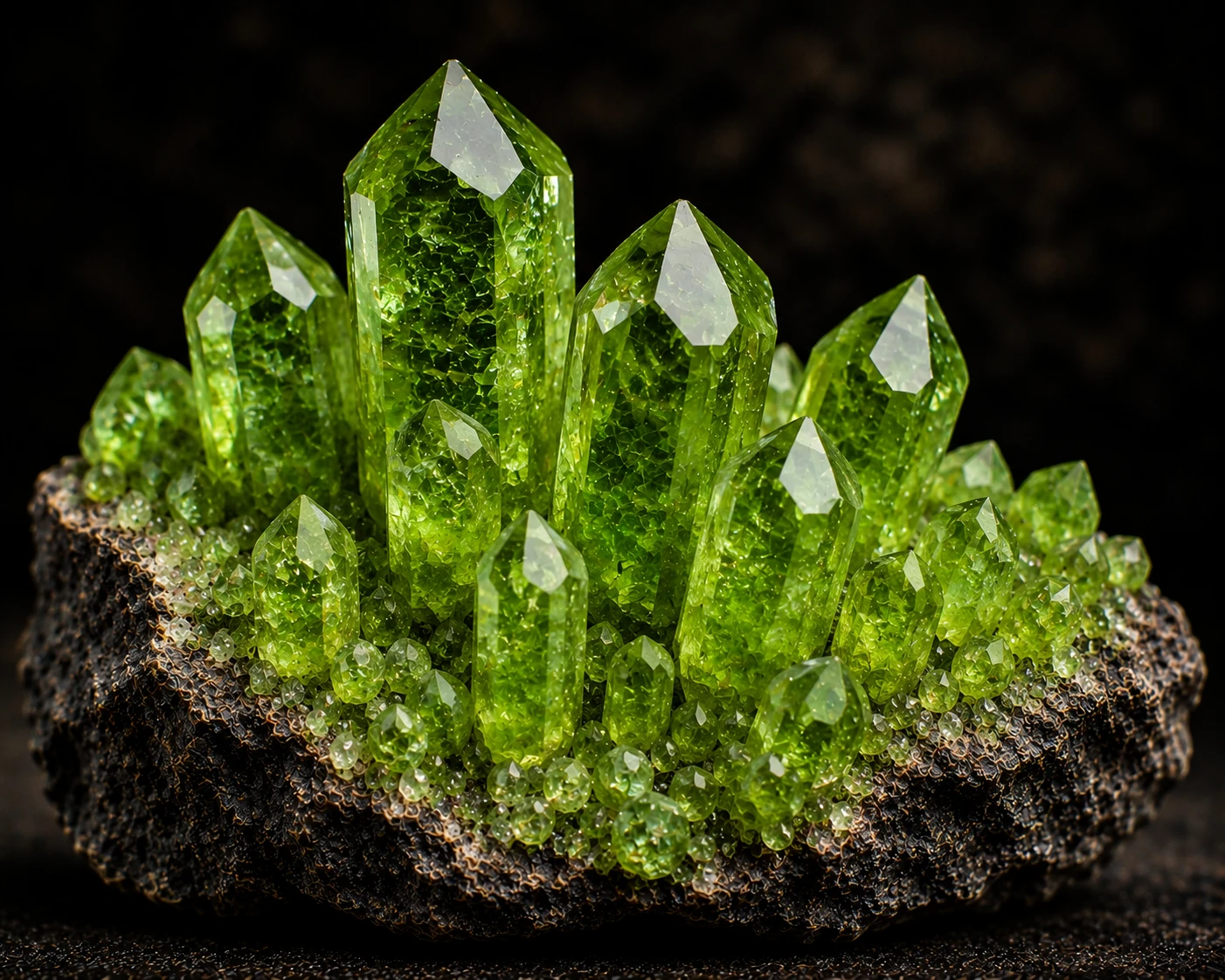
There's something about peridot that stops you. That fresh, luminous green, like nothing else in a jewelry box. People have called it "evening emerald" for centuries, and honestly, once you've seen one in person, you get why. The stone doesn't dull under artificial light like some gemstones do. It stays vivid. The Romans even nicknamed it the "gem of the sun," and the name stuck.
You'll find Peridot referenced back to ancient Egypt around 1500 BC. It wasn't just jewelry then; people wore it for protection. These days, the best stones come from deep within the Earth's mantle. Volcanic activity is what brings them to the surface. If you're hunting for quality pieces, look at Myanmar, Pakistan, Arizona, and China; those are your major sources.
What is Peridot?
Peridot comes from olivine, a mineral that shows up in various green shades depending on where it's from. Light greens, deep forest greens, even yellowish-green tones; they're all peridot. The general rule? Deeper color usually means higher value, though that's not the whole story when it comes to quality.
Hardness-wise, it sits at 6.5 to 7 on the Mohs scale. That's actually decent for everyday jewelry; not as tough as a diamond or sapphire, but stronger than people often assume. It has this glassy luster that catches light beautifully, which is part of why it's so wearable without looking fragile.
What to Look For When You Buy Peridot Gemstone
Picking the right stone comes down to four main things. Jewelry people call them the 4 Cs, and honestly, they matter. But they work differently for peridot than they do for, say, diamonds.
Color
This is where the Peridot gemstone gets interesting. The color is basically tied to everything – value, authenticity, how the stone performs in different light. You'll see everything from pale yellowish-green to rich, saturated lime green to brownish tones. What do you want? That vibrant lime green. No brown undertones. No muddy yellows. That's the stuff that commands real money.
Here's the real test: grab the stone and look at it under natural light, then under a lamp. Does it stay the same green, or does it shift? Genuine peridot holds its color like a champ. Imitations often start looking brown or dull the second you move away from optimal lighting. That color shift is basically a flashing neon sign that something's wrong.
Clarity
Most peridot don't get treated, which actually works in your favor. Untreated stone means what you're buying is what you're getting; no hidden work underneath. Ideally, you want what jewelers call "eye-clean," meaning zero visible flaws when you look at it with your bare eye.
But here's where people get confused. Tiny inclusions? That's actually good news. Authentic peridot often has small, natural marks inside, especially something called "lily pad" stress fractures. These little imperfections are like a geological fingerprint. If a green peridot gemstone looks absolutely perfect? Zero flaws? Honestly, run. That's synthetic territory.
Cut
Peridot typically gets cut into ovals, pears, or cushions. The stone's actually pretty durable, but cutting still matters because you need precision to avoid chips. A well-cut piece with solid symmetry will catch light naturally and look brilliant from any angle. Sloppy work shows immediately.
Carat Weight
This is where people make mistakes. Size isn't everything. Smaller peridots, under 5 carats, tend to be lighter in color and cheaper. The bigger stones give you that deeper, richer green. But here's what actually matters: a 3-carat stone with killer color and zero visible inclusions will blow away a 7-carat stone that's pale and dull. Quality beats weight every single time.
Want to see how all this comes together? Check out BAUTLR's peridot gemstone jewelry collection – we've already done the work of finding pieces that actually deliver.
Why Peridot Stays Untreated
This is actually a huge advantage. Most peridot gemstones on the market aren't treated. That means the color you're looking at is literally the color from inside the Earth; no enhancements, no heat work, and no artificial fixes for clarity. The green comes from iron content; that's just what the mineral is made of. Temperature doesn't change it, which is wild compared to other gemstones.
So when you're shopping, especially for pricier pieces, ask directly: Is this untreated? Any honest jeweler will tell you. They should. If they get cagey about treatment history, that's your signal to look elsewhere.
Where Your Stone Actually Comes From
Origin matters more than people realize. Not just for the story, but because different mines produce totally different stones. You can basically break the market into three camps:
Myanmar produces what serious collectors call the best peridot gemstone out there. Deep, saturated green. Barely any brown in the mix. These stones cost a premium because they're actually worth it. If you're buying for investment or want something genuinely stunning, this is where you look.
Pakistan, specifically the Kashmir region, which wasn't even mined until 1994, is the middle ground. The peridot gemstone quality is excellent. Sizes tend to run bigger. Price-wise, you're paying less than Myanmar but getting something that still holds serious value.
Arizona produces a lighter, brighter peridot gemstone. Yellowish-green tones. Smaller sizes mostly. This is your entry point if you want something wearable without spending a fortune. Super cheerful, genuinely pretty, just different from the premium stuff.
Who Wears It (And Why People Say It Matters)
Anyone can wear a peridot. But August-borns have a connection, it's literally their birthstone. Virgo, Leo, and Gemini people also tend to gravitate toward it. There's something about the energy some people claim it carries. Whether you're into that side of it or not, the stone just works. People who deal with stress or feel off-balance seem to report feeling calmer when wearing it. Placebo? Maybe. But if it helps, it helps.
Spotting the Real Deal (Because Fakes Are Everywhere)
Counterfeit peridot gemstone exists. So knowing how to check your stone actually matters. Good news is you don't need fancy equipment for most of these tests.
Look at the Color First
This is where quality separates from garbage. A good peridot gemstone shows either dark olive-green or pure lime-green, with iron content under 15%. The less iron, the darker the stone gets. If your stone looks washed out, too pale, or starts showing brown or yellow tints? That's a problem. Set it aside.
Check for Inclusions
Real stones have tiny flaws. Sounds weird, but it's true. Look for "lily pad" stress fractures; those little web-like patterns inside the stone. They're basically a certificate of authenticity built right in. If a peridot gemstone looks cosmically perfect with zero imperfections? Probably synthetic. Nature doesn't make perfect gems.
The Double Refraction Trick
Grab a magnifying glass and hold your stone up to light. Look at one facet. Do you see two of them, or one? Real peridot shows double refraction – your eye catches two images. Fake peridot, especially glass, shows just one. This test alone will catch most counterfeits.
The Magnet Test
Iron makes up peridot gemstone. Iron responds to magnets. So fill a bowl with water, set your stone on a piece of styrofoam, and bring a magnet near it. A real stone will drift slightly toward the magnet. Glass and most lab-made stuff won't budge.
Light Behavior Matters
This is actually huge. Genuine peridot gemstone keeps its color no matter where you are. Sunlight, lamplight, moonlight, it stays the same green. Call it the evening emerald effect. Fakes don't do this. They shift, go muddy, and look different. Pay attention to this.
What You'll Actually Pay
Peridot jewelry runs from about $39 to $79 depending on what you're buying. Size, shape, cut, it all factors in. Want the best value? Skip the pale yellow-greens under 10 carats and look for grass-green stones with iron content under 15% that are eye-clean. You'll pay more upfront but get something actually worth it.
Real talk: don't get obsessed with size. A smaller stone with gorgeous saturation and zero visible flaws will knock a huge pale stone out of the water. Every single time. It's one of those places where people throw money away chasing numbers instead of beauty.
How to Set It and Wear It
Peridot's tough enough for daily wear, that 6.5 to 7 Mohs hardness actually works. But setting makes a difference. A bezel setting with thick metal edges protects way better than those delicate solitaire deals. Delicate looks nice, sure, but it doesn't protect your stone from knocks and dings. Pick protection.
Color-wise, pair it with warm gold and it sings. Gold echoes the stone's earthy vibe. Want something modern? Silver works. It just goes cooler. Since every stone is different, peridot usually looks best as its own statement rather than crammed together with a bunch of other bold stones fighting for attention.
Wondering how we approach setting stones to actually keep them safe? Check out our process.
Actually Keeping It Nice
This matters because peridot gemstone jewelry doesn't maintain itself. Plan to clean it every six months. That's it. Just do it. For cleaning, warm water, a tiny bit of soap, and soft cloth can be great. Dry it after. Skip the ultrasonic cleaners and steam – peridot hates that. Heat makes it freak out. Chemicals make it worse.
When you're not wearing it, keep it in a soft pouch or cotton box. Away from harder stones. Your peridot gemstone can scratch, and you don't want that. Before you go swimming? Take it off. Gardening? Off. Cleaning the house with harsh stuff? Definitely off.
Every year or two, let a professional look at it. Check for loose prongs, wear and tear. Catch problems early before they become expensive problems. This isn't something you need to obsess over. Just basic maintenance.
Where to Actually Buy Peridot Gemstone Jewelry
Where you buy matters a lot. Work with someone who actually knows their stones and cares about sourcing them properly. Not just price-chasing. Not just moving volume.
BAUTLR takes this seriously. Every peridot gemstone piece we carry is chosen for quality and sourced transparently. That means: stones with documented origins, pieces that are actually handcrafted, settings designed to protect the stone, descriptions that don't mislead you. We highlight what makes each stone unique because that's the whole point.
Want to know more about how we actually do this? Check our sustainability page. Ready to see the collection? Head over to BAUTLR.
So, Should You Buy It?
Peridot gemstone is genuinely one of the best values in jewelry right now; affordable, beautiful, and durable enough to wear. Whether you're drawn to it for the color, the meaning, or just because it looks great, it works. Knowing the difference between real and fake, understanding where to source it, keeping it protected; that knowledge puts you ahead of 90% of buyers.
Find what speaks to you. Wear it.
Hello! How can I help you?