Popular Searches
Explore by Intention
Your wishlist is currently empty.
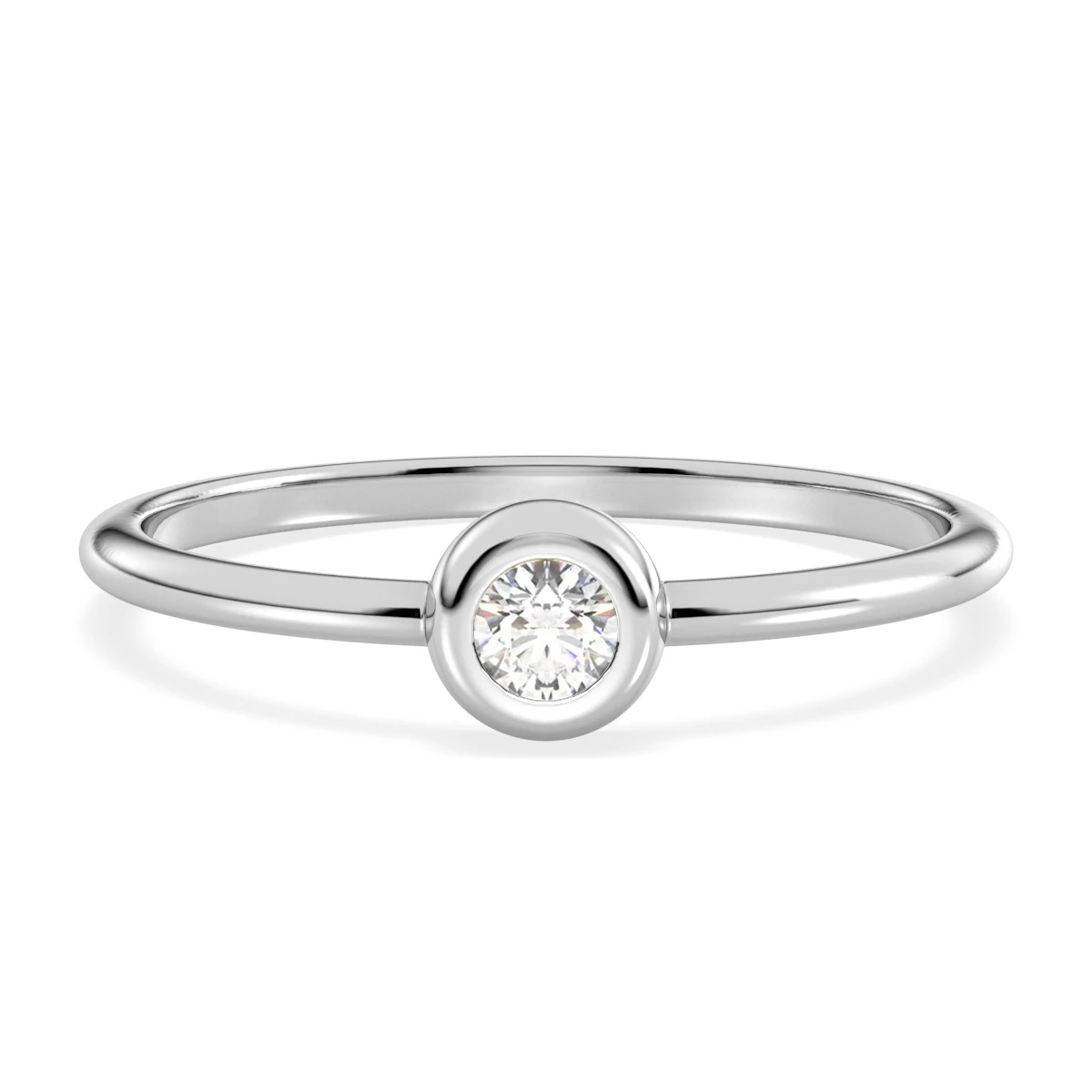
Cute Dainty White topaz stacking ring
$44.00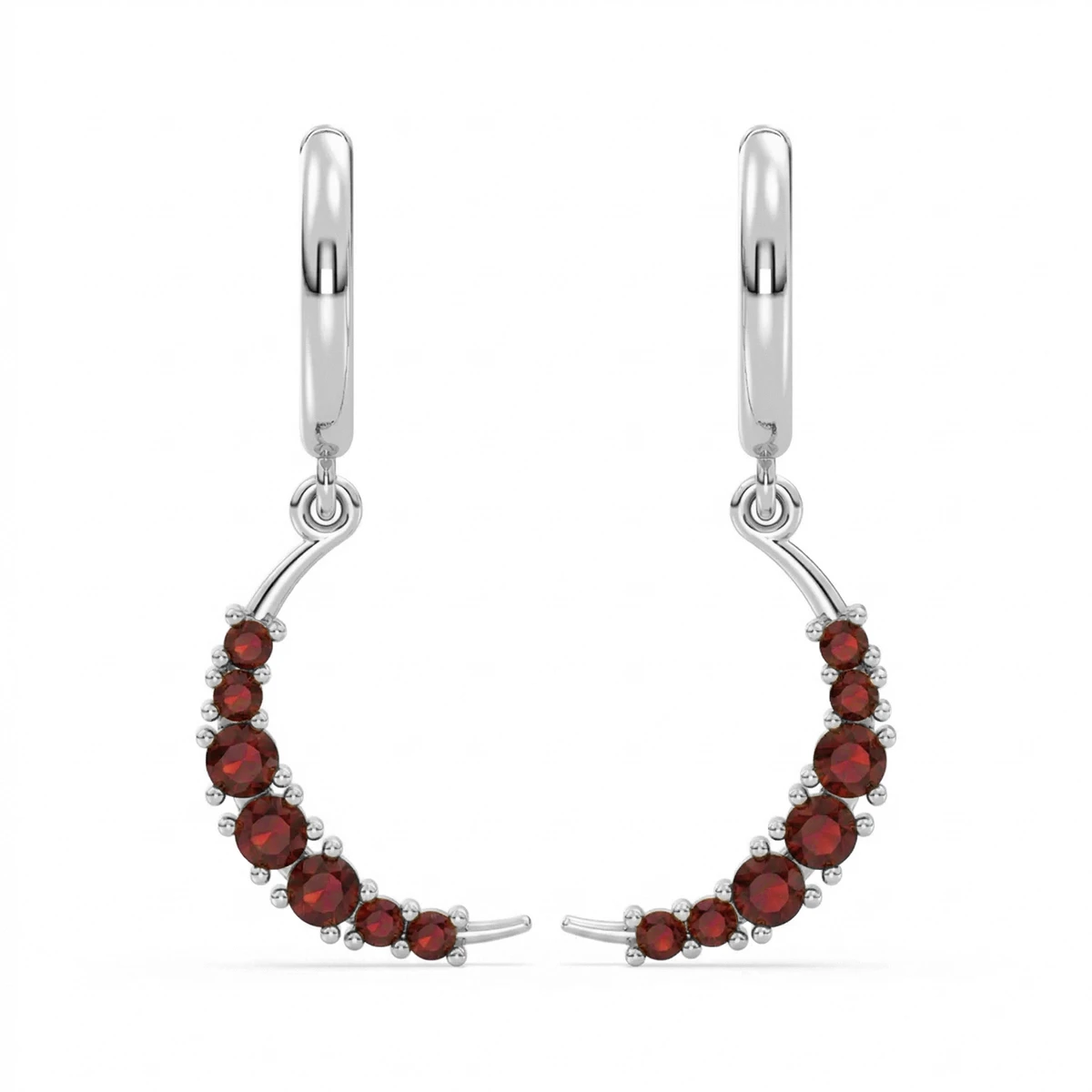
Garnet Crescent Drop Hoop Earrings
$96.00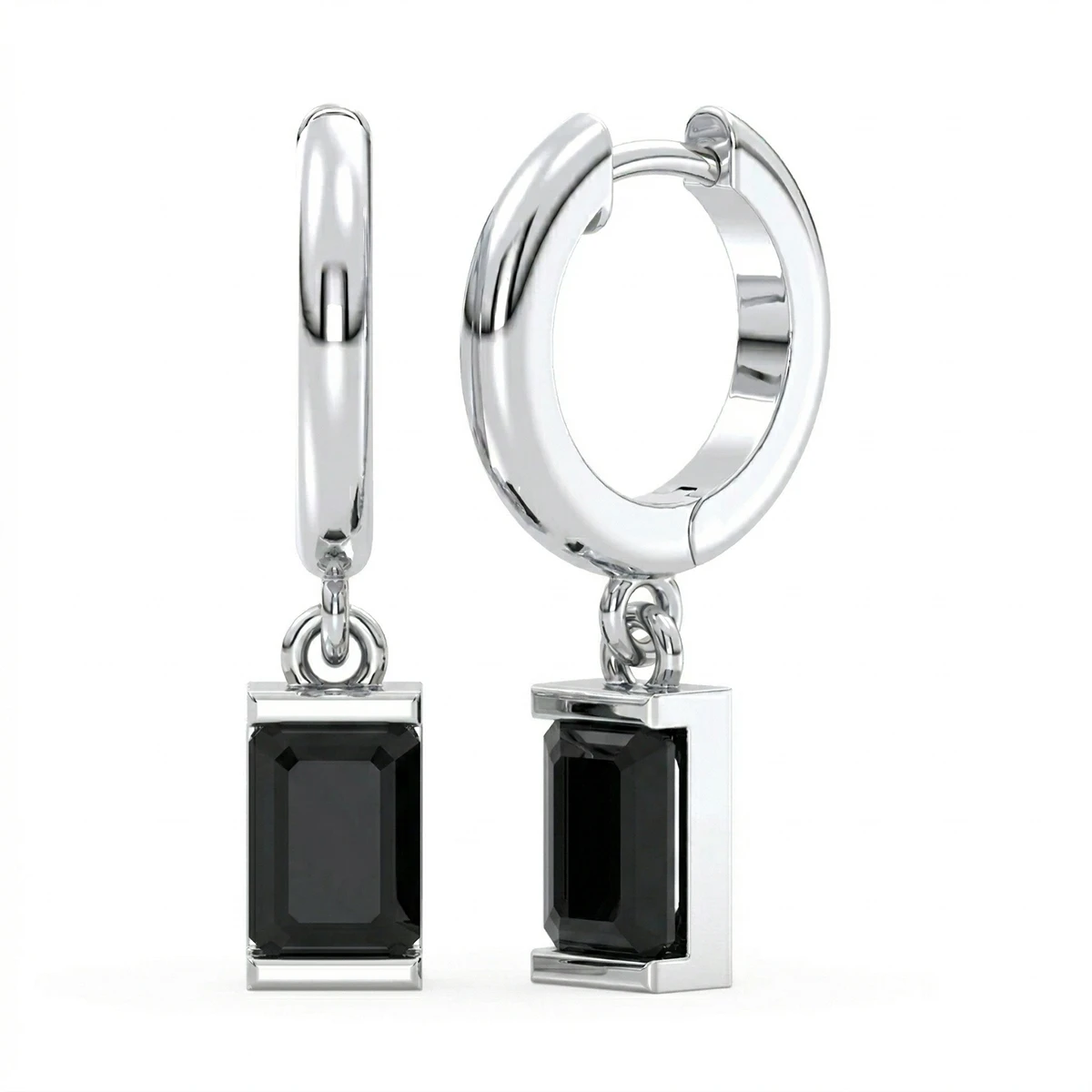
Black Onyx Baguette Drop Hoop Earrings
$71.20Your Cart
0 ItemsYour Cart is empty
Start ShoppingFind What Resonates
With You
Discover the perfect gemstone for you
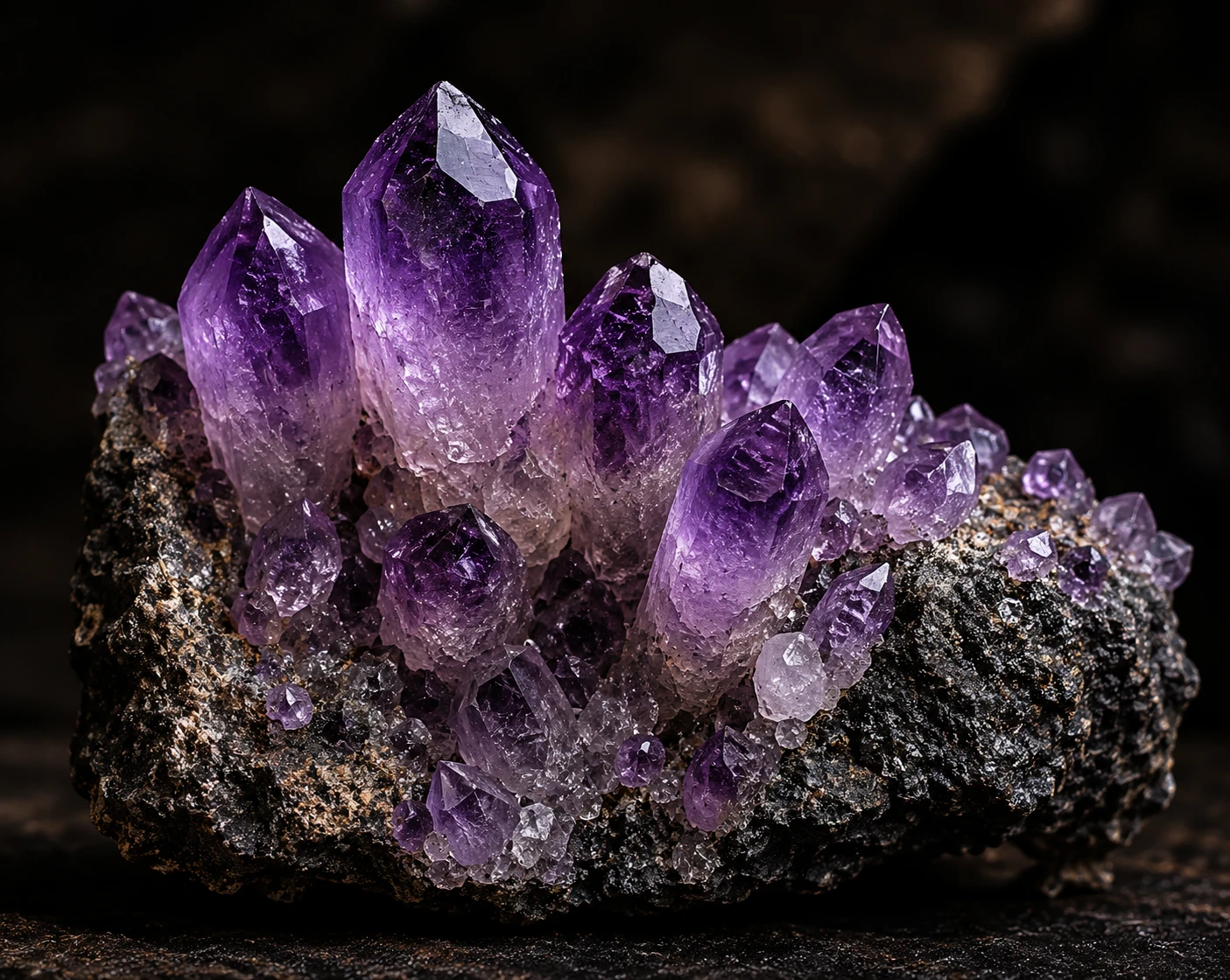
Amethyst
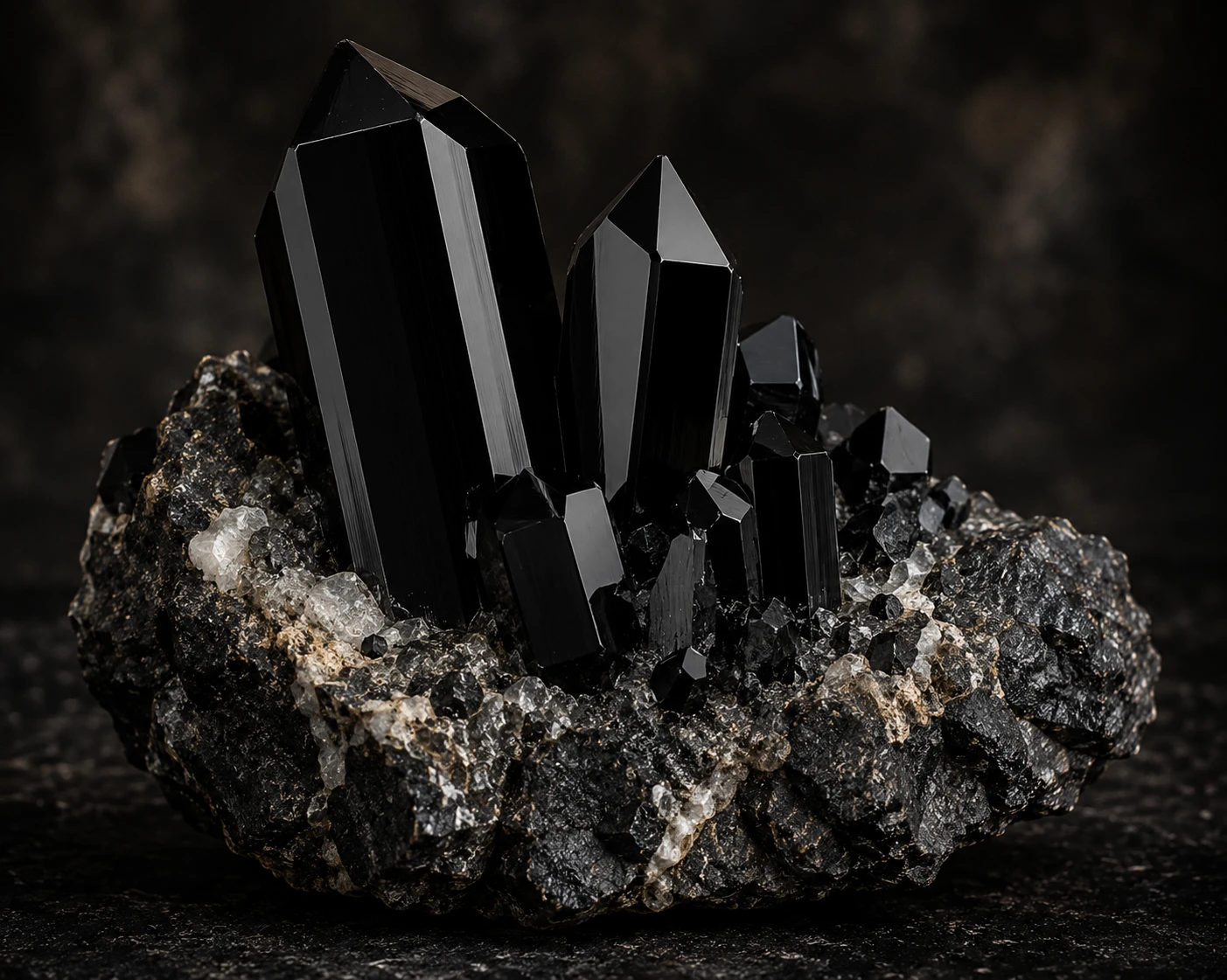
Black Onyx
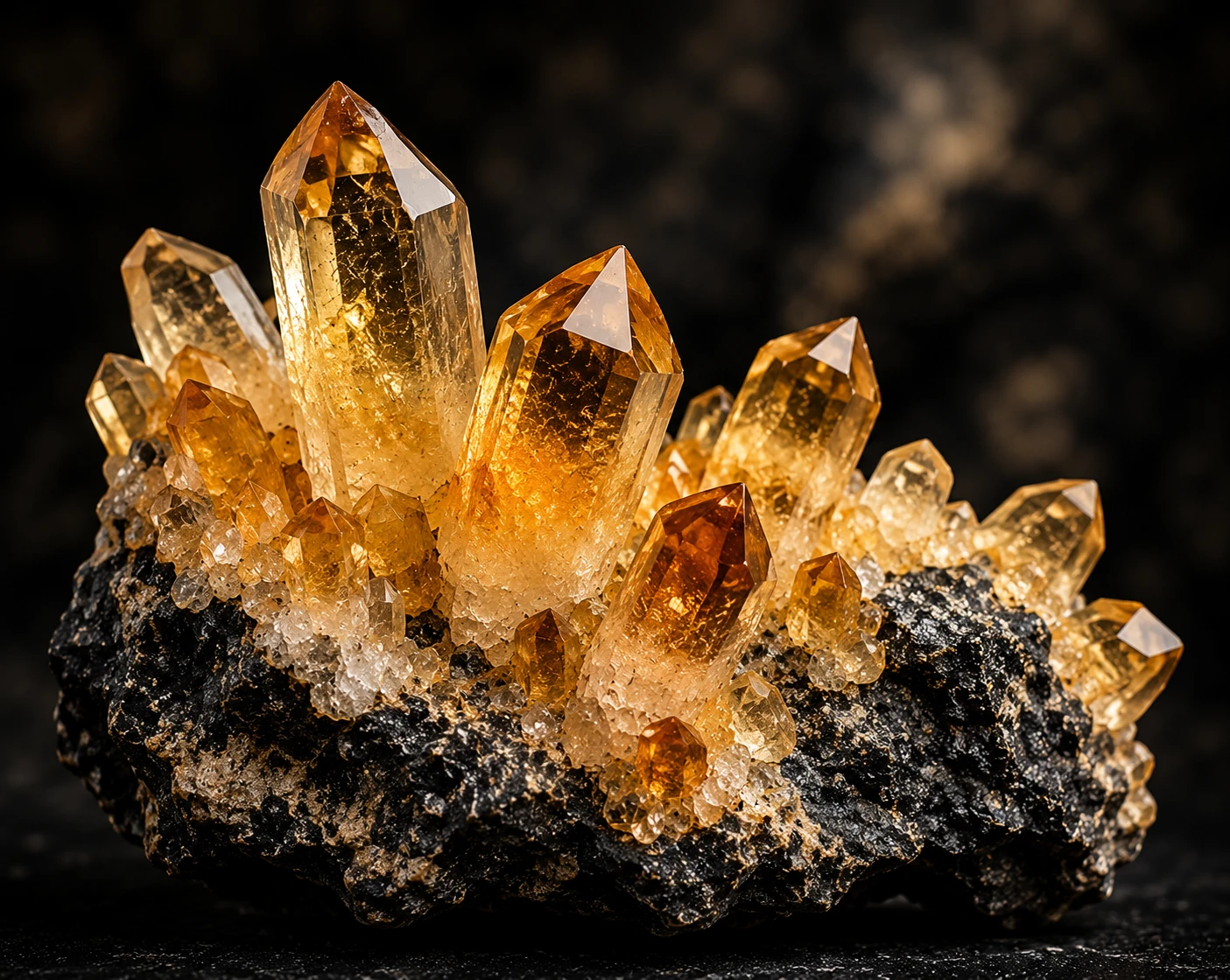
Citrine
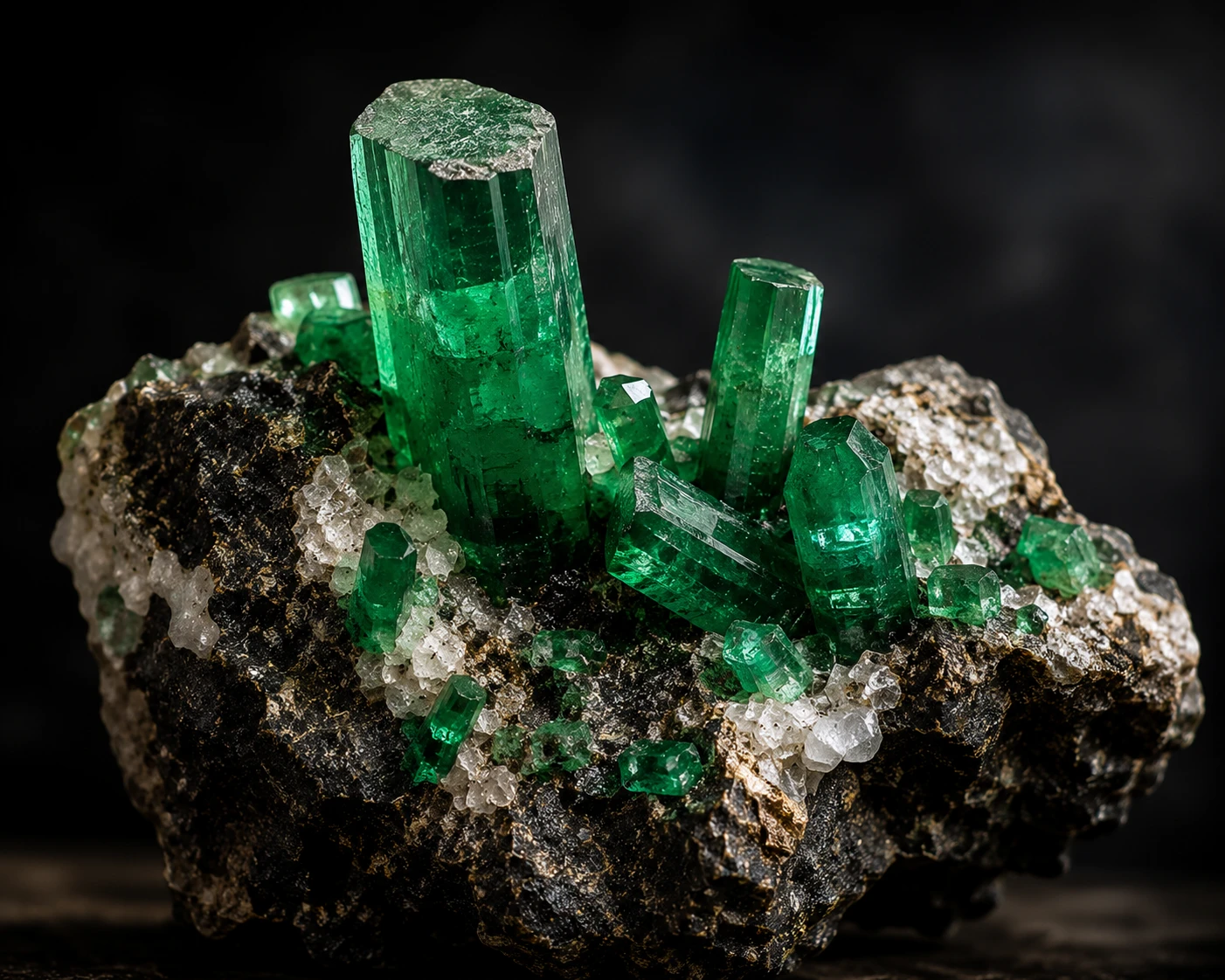
Emerald
Garnet
Green Onyx
Labradorite
Larimar
London Blue Topaz
Malachite
Opal
Peridot
Rainbow Moonstone
Rose Quartz
Ruby
Sapphire
Sky Blue Topaz
Smoky Quartz
Tanzanite
Tourmaline
Turquoise
White Topaz
Shop By
Explore our curated collections
Birthstone
Discover by your birth monthZodiac Sign
Find your astrological match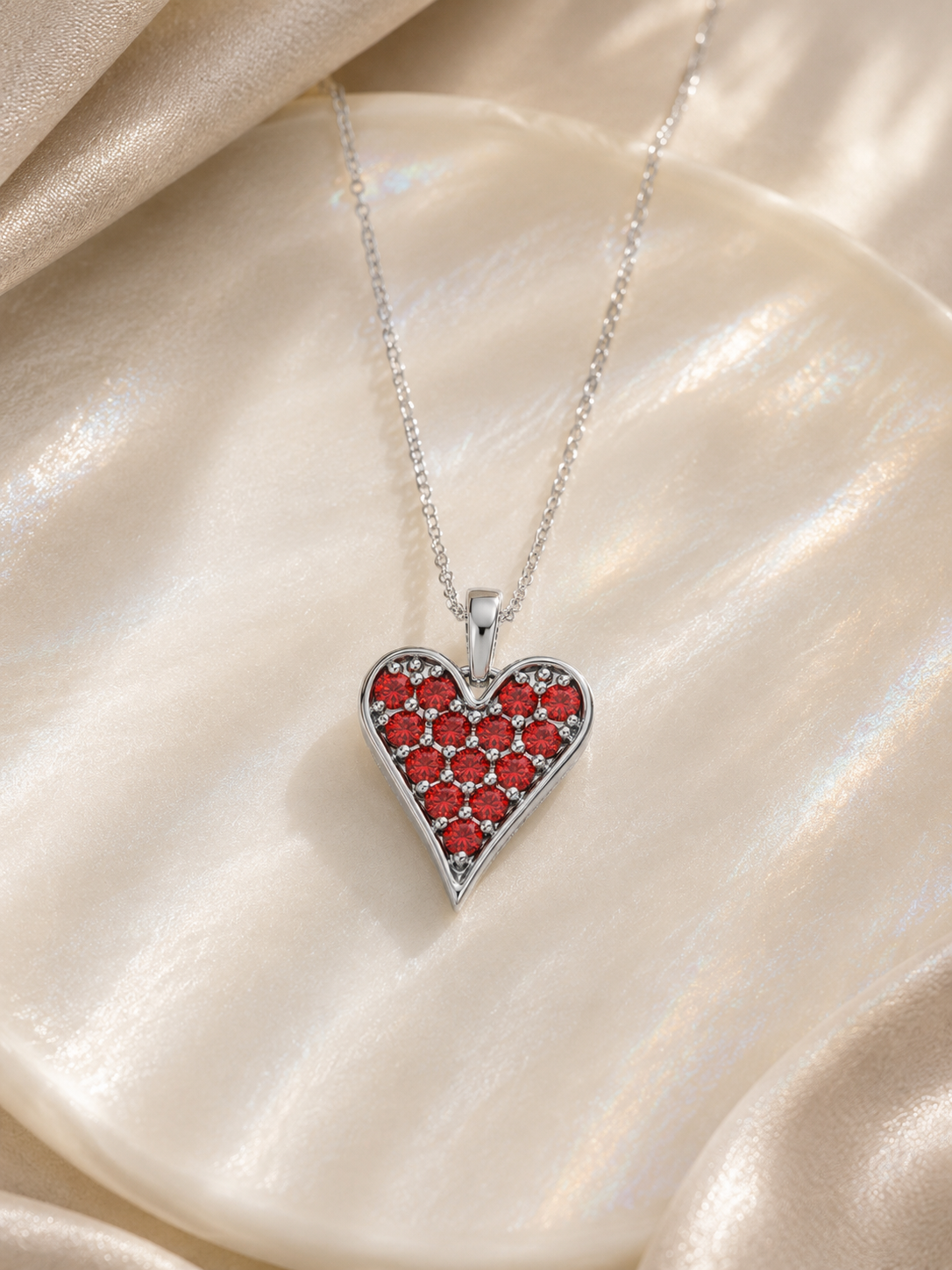
Your Cart
Your Cart is empty
Continue ShoppingWishlist (0)
Your wishlist is currently empty.
SUGGESTED FOR YOU
Ruby Gemstone Buying Guide: Origin, Meaning, Price, Benefits & More
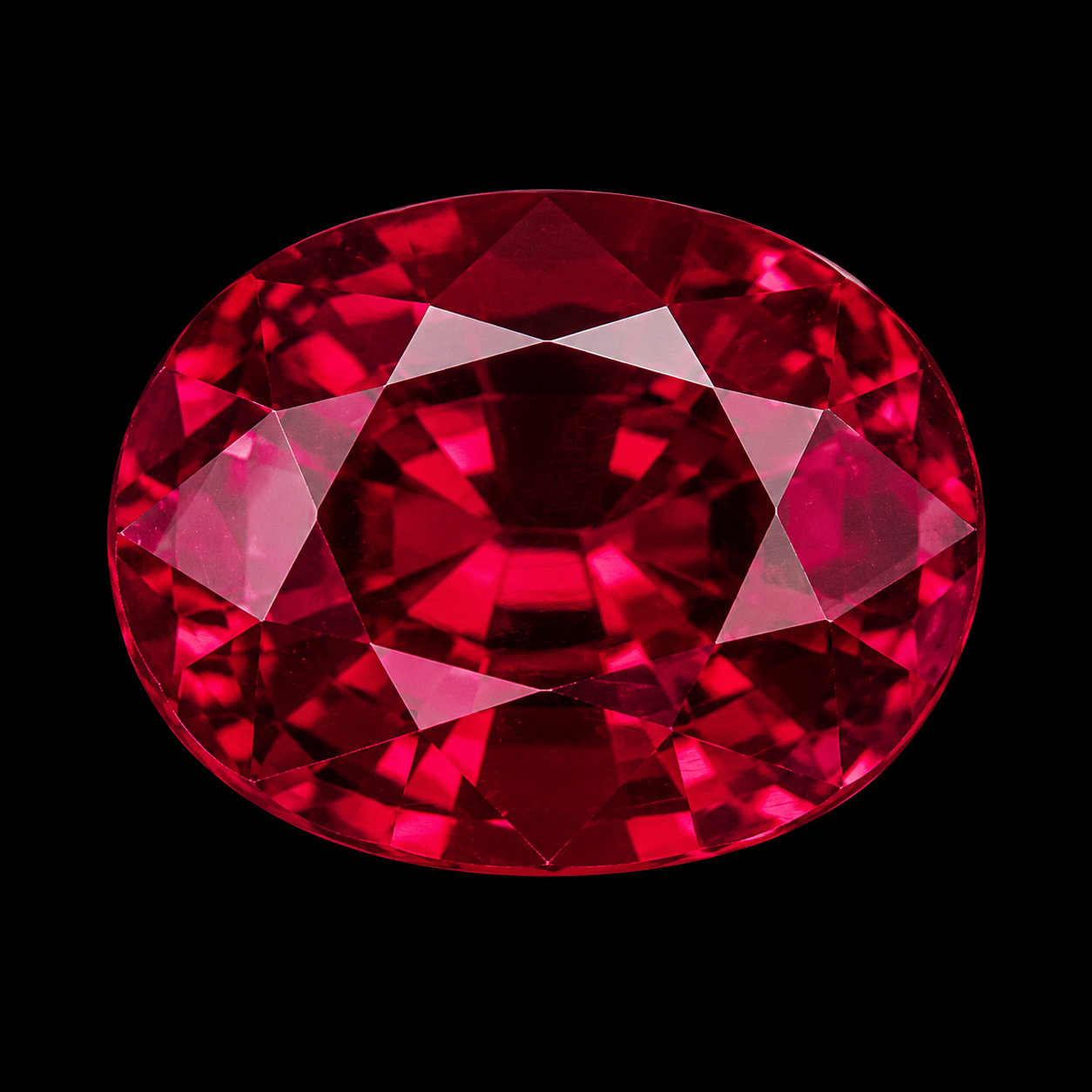
Rubies have been traded and worn for centuries, and even today, they sit right at the top of the gemstone hierarchy. Not just because they're rare, but because of that color. A good ruby gemstone doesn't look flat or dull. It has depth – almost like it's glowing from within.
That's usually what catches people off guard. You don't always notice it immediately, but once you do, it sticks. And that's often the point where someone decides to buy ruby gemstone pieces instead of going for something more common.
What is a Ruby Gemstone?
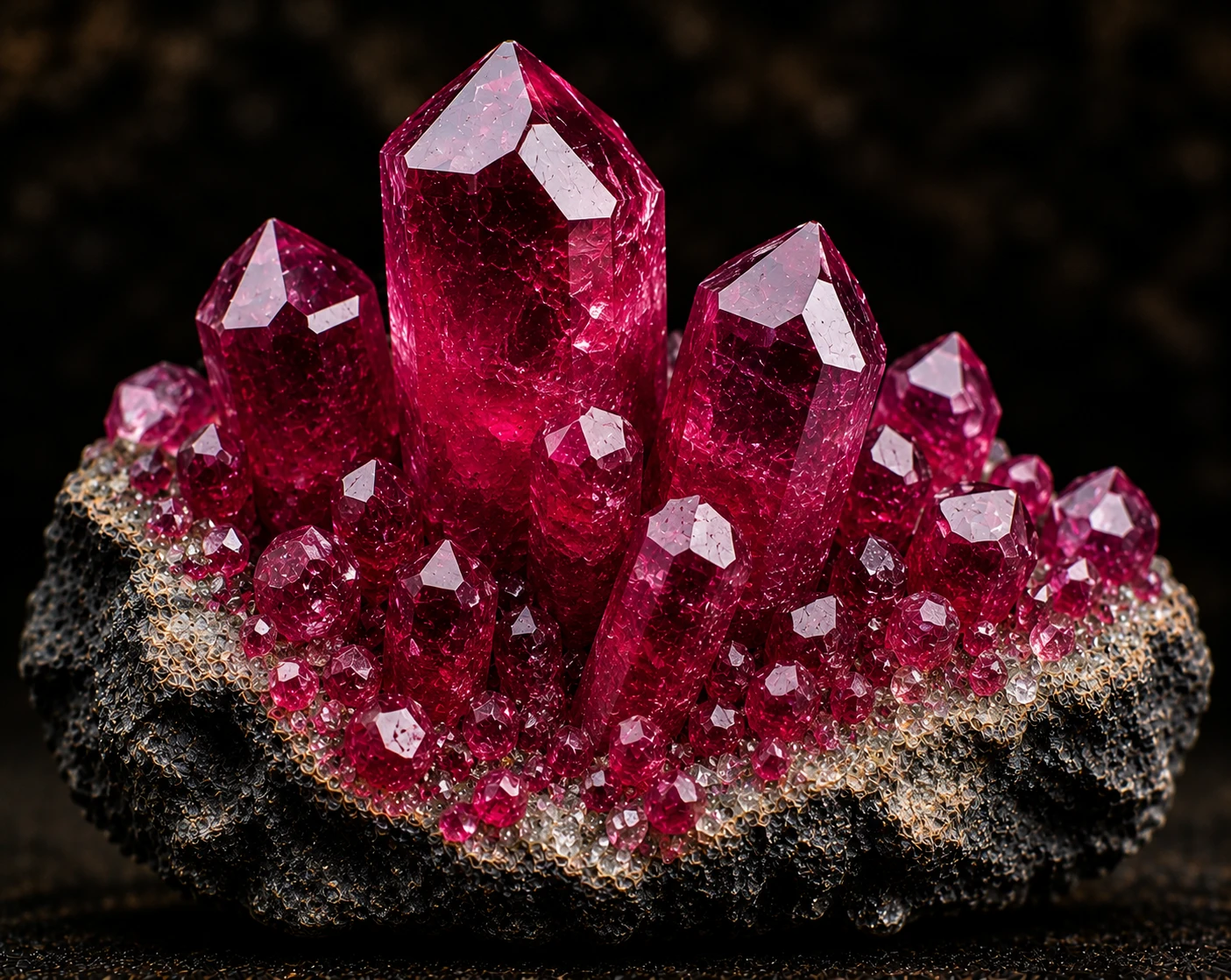
A natural ruby gemstone is a variety of corundum. Same family as sapphire, just a different personality. The red color comes from chromium, and depending on how much is present, the shade can shift from lighter red to a deep, intense tone. You'll see rubies across all kinds of ruby gemstone jewelry. Some pieces lean classic, others more modern. The stone itself doesn't really limit design, which is part of why it's stayed relevant for so long.
Ruby: The July Birthstone
Ruby is one of two official birthstones for July, alongside carnelian and tourmaline, depending on which tradition you're following. It's held that position for centuries and remains the standout choice for July babies looking for a serious, valuable gemstone with real presence. Unlike softer birthstones, ruby gemstone jewelry actually stands up to daily wear, which makes it more practical as a lifetime gift. Our birthstone guide covers the full breakdown of July's stones and what they're meant to represent.
Ruby Gemstone Origin
Where a ruby comes from matters. Not always in an obvious way, but it shows up in the color, clarity, even how the stone feels overall. The ruby gemstone origin is often tied to a few key regions:
Myanmar, known for rich, deep red stones with what gemologists call "pigeon's blood" color
Sri Lanka, usually lighter and slightly softer in tone, with a more orange-red character
Mozambique, which has become popular for its balance of color and clarity
Thailand, historically a major source, known for darker, more burgundy-toned material
Cambodia and Vietnam, emerging sources with moderate-quality stones
Origin alone doesn't decide quality, but it does influence the ruby gemstone price more than most people expect. Burmese (Myanmar) ruby gemstone material commands premiums for a reason — the color is that distinctive.
"Pigeon's Blood" Ruby: What It Actually Means
You'll hear this term thrown around constantly in ruby circles, and it's worth understanding what it actually means. "Pigeon's blood" refers to a specific red tone — a vivid, saturated red with blue secondary undertones that sits right at the sweet spot of the color spectrum. It's not a technical GIA grade; it's industry shorthand that's been used for hundreds of years.
A true pigeon's blood ruby should glow under daylight and look alive even indoors. It avoids the orange-red that Sri Lankan material leans toward and the brown-red that lower-quality stones can take on. Fine Burmese rubies often display this color naturally, which is a big part of why they cost so much more than rubies from other regions. If a seller claims their ruby is pigeon's blood, ask them to show it in multiple lighting conditions — the color should hold up across daylight, incandescent, and even fluorescent light.
The Meaning of Ruby Gemstones
The meaning of ruby gemstones tends to circle around energy; not calm, not subtle. More like drive, passion, confidence. It's been linked to power and protection in different cultures for years. Some believed it could bring success, others saw it as a symbol of strength.
If you're asking what is the spiritual meaning of ruby, it usually comes down to vitality and emotional intensity. Not everyone buys into that; some just like how it looks, and that's fair too. But the symbolism is definitely part of why people choose to buy ruby gemstone online or in-store.
Ruby Properties & Benefits
There's a practical side to rubies that often gets overlooked. They're not just visually strong. They're physically durable too. Rubies rank 9 on the Mohs hardness scale. That puts them just below diamonds, which means they can handle daily wear without much worry. Rings, especially, benefit from that.
When people talk about what are the benefits of wearing ruby stone, it's usually a mix of visual and symbolic. You get a stone that stands out, but also one that's often associated with confidence, motivation, and a bit of emotional strength. Some people wear it for that reason alone. Others just want something bold that doesn't feel overdone.
Add Ruby Jewelry in Your Collection – Shop Real, Authentic, & Handmade Gemstone Jewelry!
Inclusions in Ruby (What to Expect)
A natural ruby gemstone almost always has inclusions; tiny needle-like patterns, internal lines, slight cloudiness. It's normal. In fact, completely flawless rubies are extremely rare and usually come at a very high cost of ruby gemstone.
Inclusions don't automatically mean lower quality. It depends on how visible they are and whether they affect the stone's overall look. Too many inclusions can make the ruby appear dull. But a few? That's expected. Sometimes even helpful in confirming authenticity.
Types of Ruby: Faceted vs. Star
Before you buy a ruby gemstone, know that rubies come in two main categories. Most rubies are faceted — cut with angles and planes to maximize light reflection and show off that pigeon's blood color. These are what people think of when they imagine ruby gemstone jewelry.
Star rubies are a different beast altogether. They contain rutile needles aligned in specific directions that create a visible star effect under cabochon cutting. They're beautiful in their own way, but they're valued differently — usually significantly less per carat than faceted rubies of comparable color and size. If you see a ruby at a dramatically lower price than expected, check whether it's a star ruby before assuming it's a bargain.
How to Choose a Quality Ruby
1. Color
This is where most of the value sits. A strong, deep red with slight blue undertones is usually considered top-tier. If the color looks too dark or too light, the ruby gemstone price tends to drop.
The best rubies show that saturated red we discussed earlier — pigeon's blood — that holds its appearance across multiple lighting conditions. Avoid stones that shift dramatically from one light source to another, as that usually signals lower chromium content or undesirable secondary tones.
2. Clarity
You're not looking for perfection, but the stone shouldn't look cloudy either. A good ruby still allows light to move through it, even with inclusions present. One clarity issue worth knowing about: "pavilion windows." These are areas near the base of a poorly cut stone where light leaks out instead of bouncing back to your eye. You'll see a dark or light window through the center of the stone depending on the angle. Well-cut rubies avoid this through precise proportions. It's one of the reasons cut quality matters as much as color.
3. Cut
Cut affects how the stone reflects light. A well-cut ruby feels alive. A poorly cut one can look flat, even if the color is good. The standard ruby cuts are oval, cushion, and round brilliant, chosen to maximize color saturation and minimize clarity issues. A poorly executed cut can make even a good ruby look dull or create those pavilion windows we mentioned. When evaluating a ruby gemstone, look for symmetry and polish quality — the facets should meet cleanly without visible irregularities.
4. Carat
Size changes everything. Larger rubies are rarer, especially when paired with good color and clarity. That's why the cost of ruby gemstone increases quickly as carat weight goes up.
One practical note: ruby density is higher than diamond, so a 1-carat ruby looks noticeably smaller than a 1-carat diamond. If you're used to diamond sizing, a ruby gemstone in the same carat weight will appear more modest.
5. Treatment & Authenticity
Most rubies are heat-treated to improve color and clarity. It's common and accepted. Untreated stones, however, are more valuable. If you're trying to figure out how to buy a ruby gemstone, this is something you don't want to ignore.
Heat treatment typically comes in two varieties. "Burma treatment" (standard heating) is done at moderate temperatures to improve color saturation and slightly improve clarity. It's the baseline. "Bangkok treatment" (aggressive heating) pushes temperatures higher and can fill some surface fractures with resin-like substances, creating better apparent clarity at the cost of durability. High-quality rubies may disclose treatment level (minor, moderate, significant) much like emeralds do with oil. Ask your seller specifically what treatment level the stone has received — legitimate dealers will have this information.
Lab-created rubies are chemically identical to natural rubies and have the same hardness and durability. They cost roughly 40-60% less than natural material of comparable quality, which is appealing if you want the look without the investment. However, they lack the rarity and resale value of natural rubies, and they're increasingly easy to produce at scale. If you're planning to buy ruby gemstone jewelry as an investment or heirloom, natural is the smarter choice.
Ruby Gemstone Price & Cost Factors
Pricing isn't always straightforward. Two rubies can look similar at first glance but sit in completely different price ranges. A few things usually make the difference:
Color intensity and consistency (pigeon's blood commands premiums)
Clarity and inclusion visibility
Size of the stone
Origin (Burmese costs 3-5x more than similar Mozambique material)
Treatment status (untreated adds significant value)
High-quality stones with strong color and minimal treatment can reach very high ruby gemstone price levels. That's why understanding the cost of ruby gemstone before you buy matters.
Loose ruby stones typically range from $10-$30 per carat for lower-quality, heavily included material, to $100-$300 per carat for mid-range, eye-clean stones. Fine, well-colored, minimally treated rubies run $500-$2,000+ per carat, with truly exceptional Burmese material sometimes exceeding $5,000 per carat. These are open-market wholesale figures; retail prices for finished jewelry will be higher due to setting costs and markups.
At BAUTLR, you can find authentic, hand-crafted ruby jewelry starting from $89 and going up to $110. Each piece is handmade with sustainability in mind. The jewelry is made with precision, incorporating the most gorgeous and real rubies.
Ruby in Jewelry
There's a reason ruby gemstone jewelry has stuck around for so long. It doesn't feel outdated. Rings tend to show off the color the most. Earrings and pendants are a bit more subtle, but still carry that same depth. The stone works across styles without needing much adjustment.
For rings specifically, a protective setting matters. A bezel or halo that wraps around the stone offers more protection than a solitaire mounted high above the band. Since rubies rank 9 on the hardness scale (just below diamond at 10), they're durable, but the setting still affects how well they hold up to daily wear.
How to Buy a Ruby Gemstone
If you're trying to figure out how to buy a ruby gemstone, don't overcomplicate it. Start with what you can actually see. Check the color first. That's the biggest factor. Then look at clarity, but don't expect a flawless stone. Ask about treatments and origin if you can. And if you're planning to buy ruby gemstone online, stick to sellers such as BAUTLR who provide clear details.
Fluorescence Test for Authenticity
Here's a practical tip many buyers don't know: genuine Burmese ruby gemstone glows bright red under ultraviolet light due to the chromium in the stone. Lab-created rubies and lower-quality natural material either don't fluoresce or glow much more dimly. If a seller has a UV lamp, ask them to show the ruby under it. Strong red fluorescence is a good sign of quality natural material. This isn't foolproof, some natural rubies fluoresce weakly, but it's a helpful additional data point.
Where to Source Natural Ruby
Beyond BAUTLR, reputable gemstone dealers, certified jewelers, and auction houses are your safest bets. Ask for a GIA certificate for any significant ruby purchase. The certification will state treatment and origin, giving you solid grounding for what you're buying.
Caring for Your Ruby Gemstone Jewelry
Despite ruby's hardness, it needs care. Avoid ultrasonic cleaners, which can damage treated stones and loosen any resin fillings from aggressive heat treatment. Avoid sudden temperature changes, since rapid thermal shock can cause cracking.
Clean ruby gemstone jewelry with warm soapy water and a soft cloth or brush. Remove it before using lotions, creams, or harsh chemicals. Store it separately from softer gemstones to prevent scratching them (since ruby is hard enough to damage other stones).
With proper care, a natural ruby gemstone will last centuries. The stone itself is stable and won't fade or change color. Regular cleaning and annual check-ups at a jeweler to ensure the setting is secure are all you really need.
Ruby vs. Other Red Gemstones
Ruby gets top billing, but spinel and tourmaline can look similar at first glance. The main differences: ruby is significantly harder (9 vs. 8 for spinel, 7-7.5 for tourmaline), more durable, and holds value better. Spinel and red tourmaline cost considerably less, which appeals to some buyers, but ruby's reputation and rarity give it an edge for serious pieces.
Why Buy Ruby?
There's something about ruby that feels solid. Not just visually, but overall. It doesn't try to blend in. It holds its place. That's why people continue to buy ruby gemstone pieces even with so many other options out there. It's not just about tradition, it's about presence.
Shop Hand-Crafted, Real, and Ethically Sourced Ruby Jewelry at BAUTLR!
Hello! How can I help you?