Popular Searches
Explore by Intention
Your wishlist is currently empty.
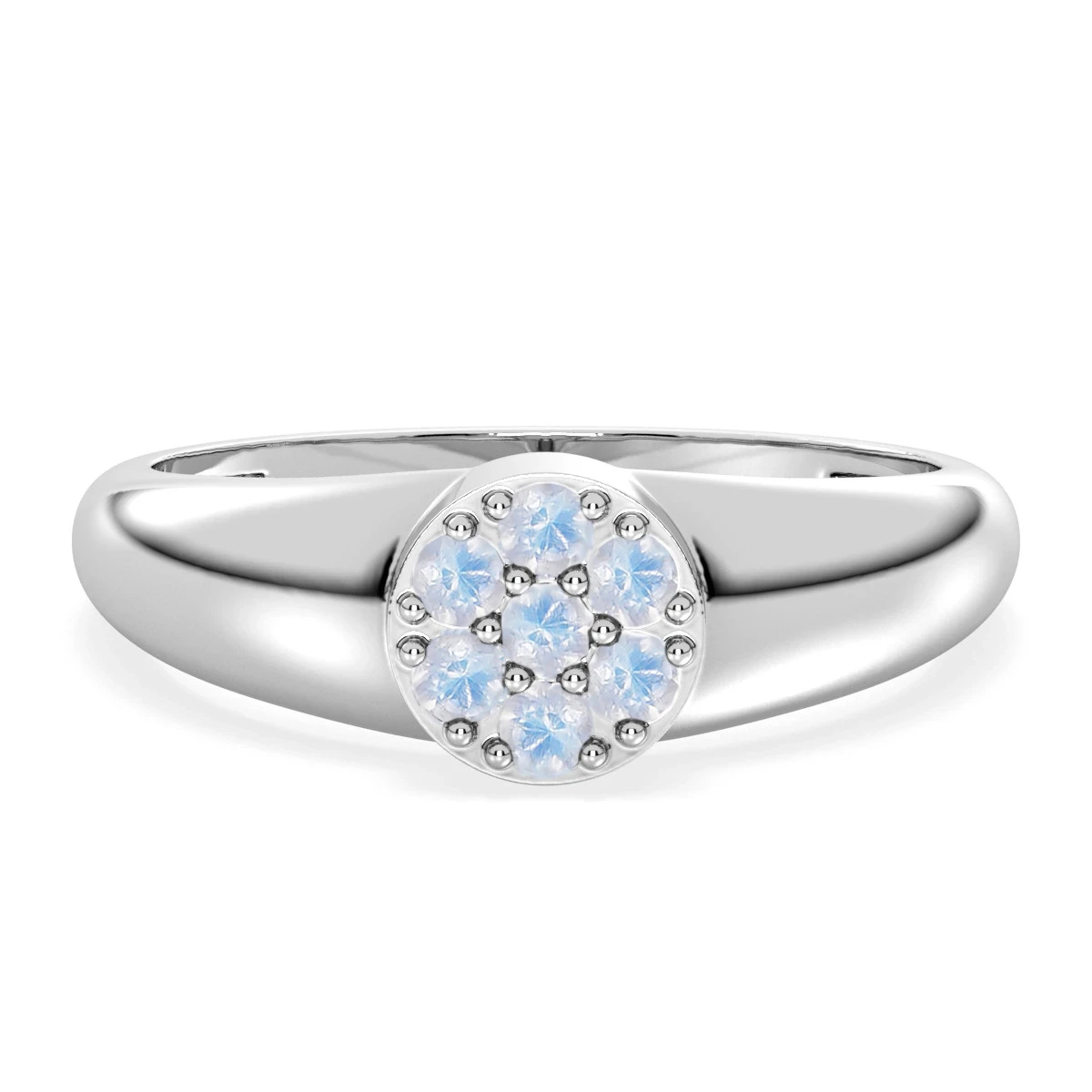
Rainbow Moonstone Cluster Signet Ring
$71.20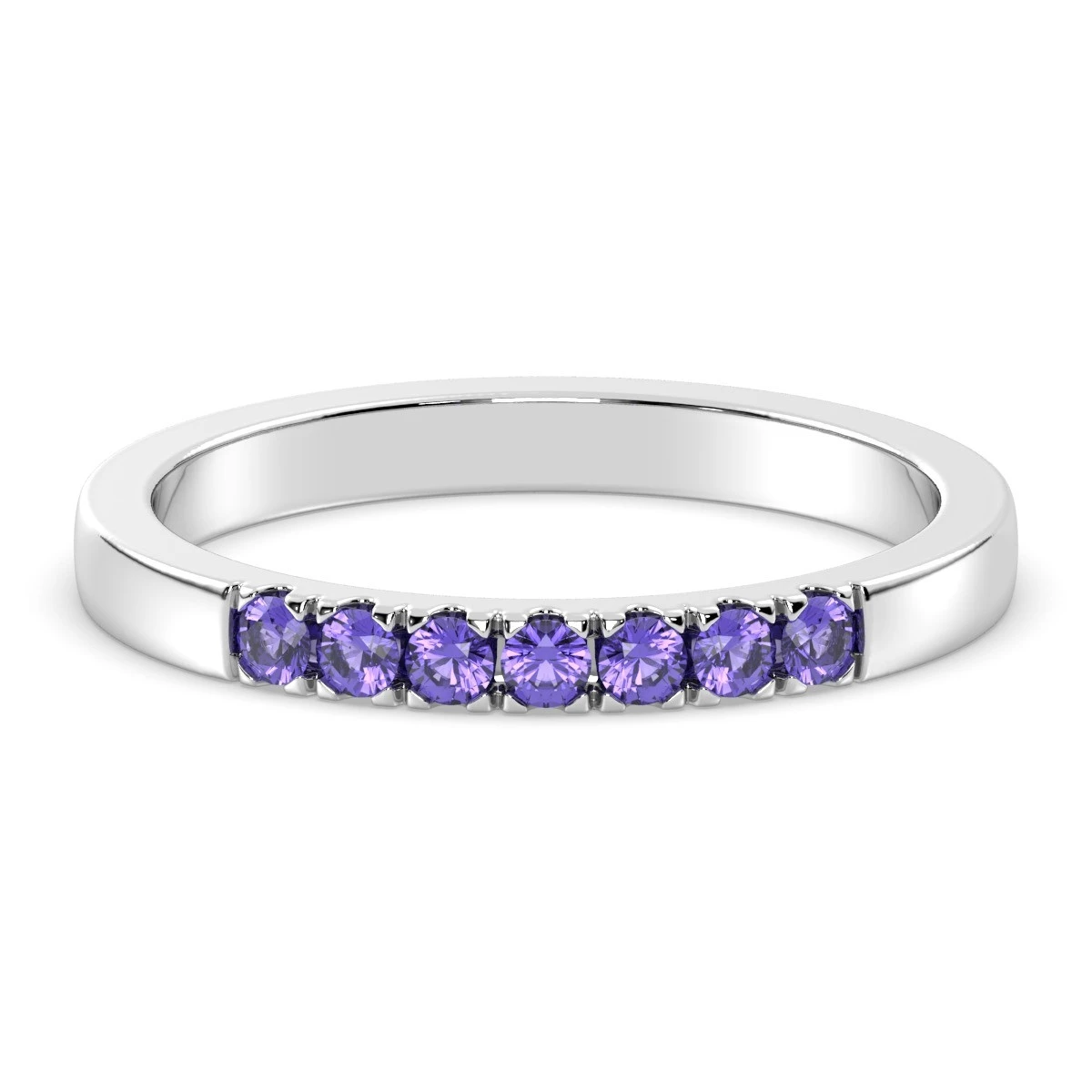
Tanzanite Pave Band Ring
$71.20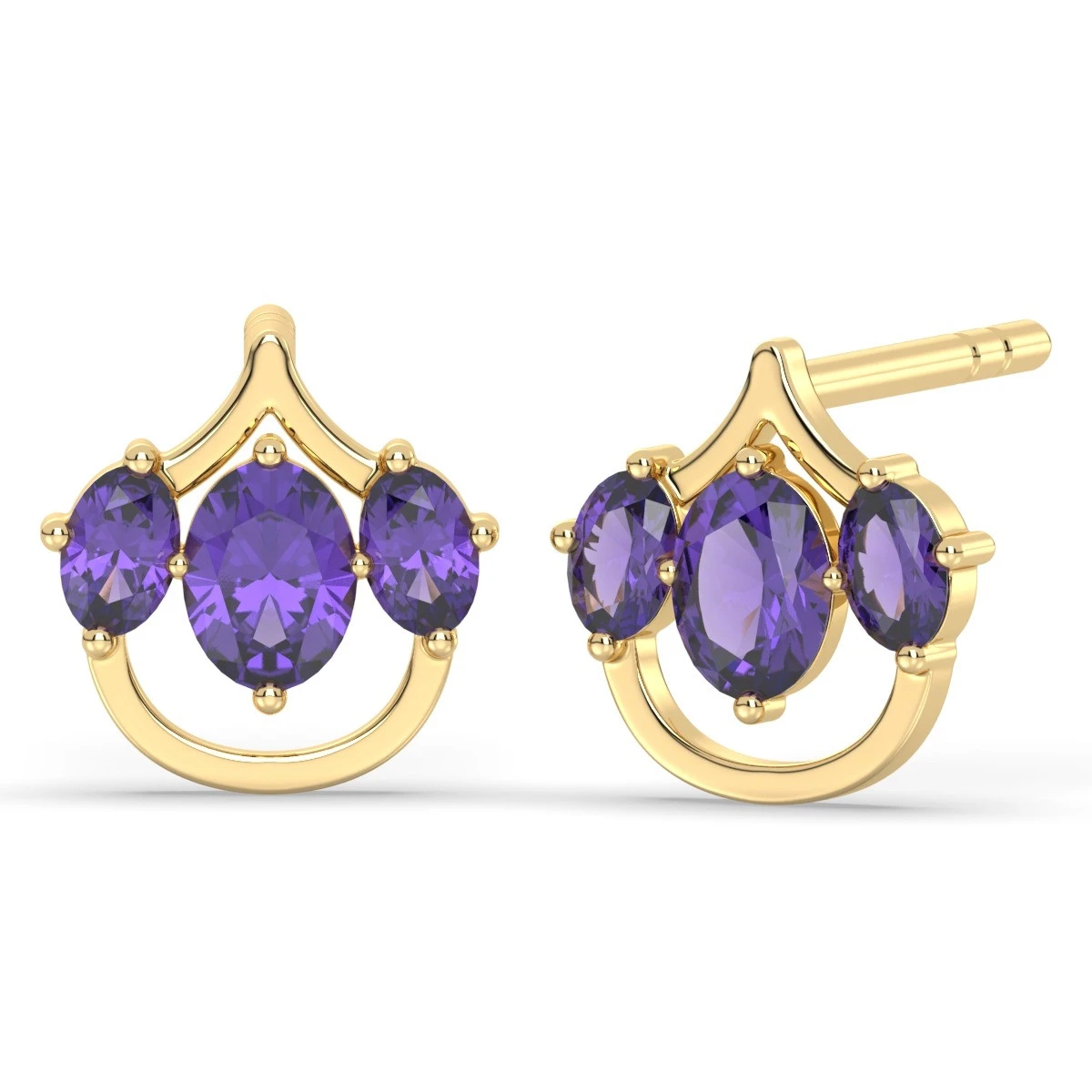
Everyday Amethyst cozy stud earrings
$47.20Your Cart
0 ItemsYour Cart is empty
Start ShoppingFind What Resonates
With You
Discover the perfect gemstone for you
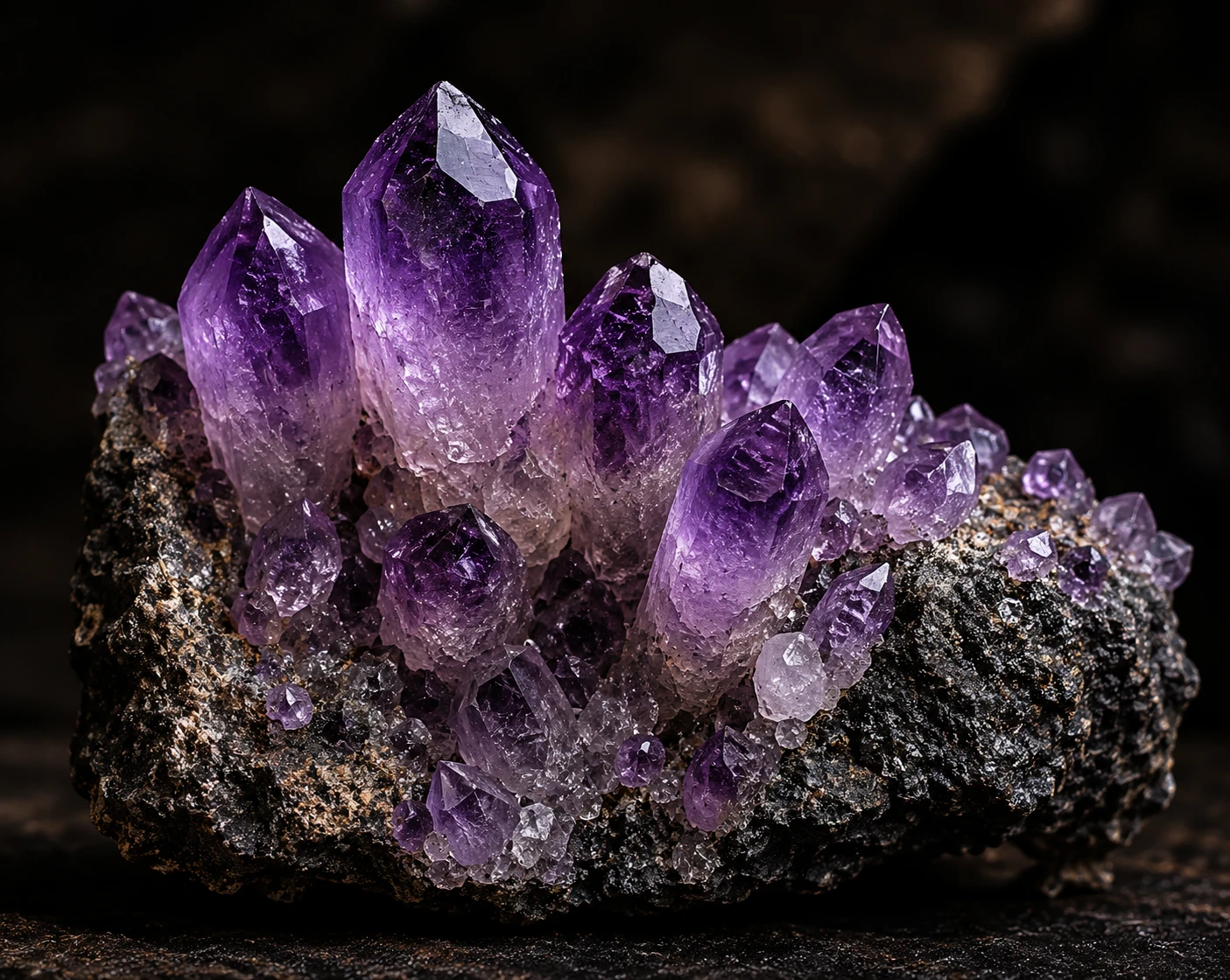
Amethyst
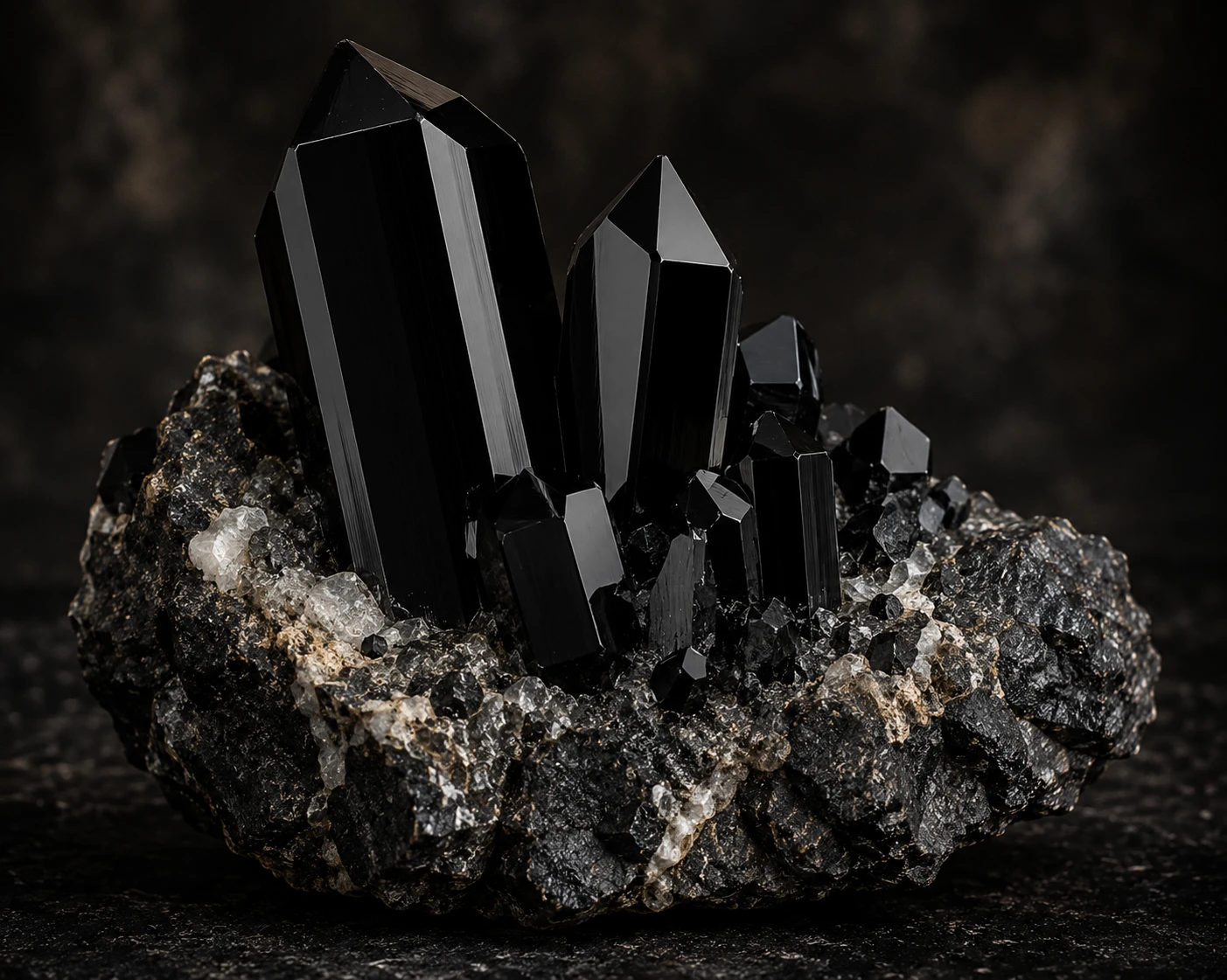
Black Onyx
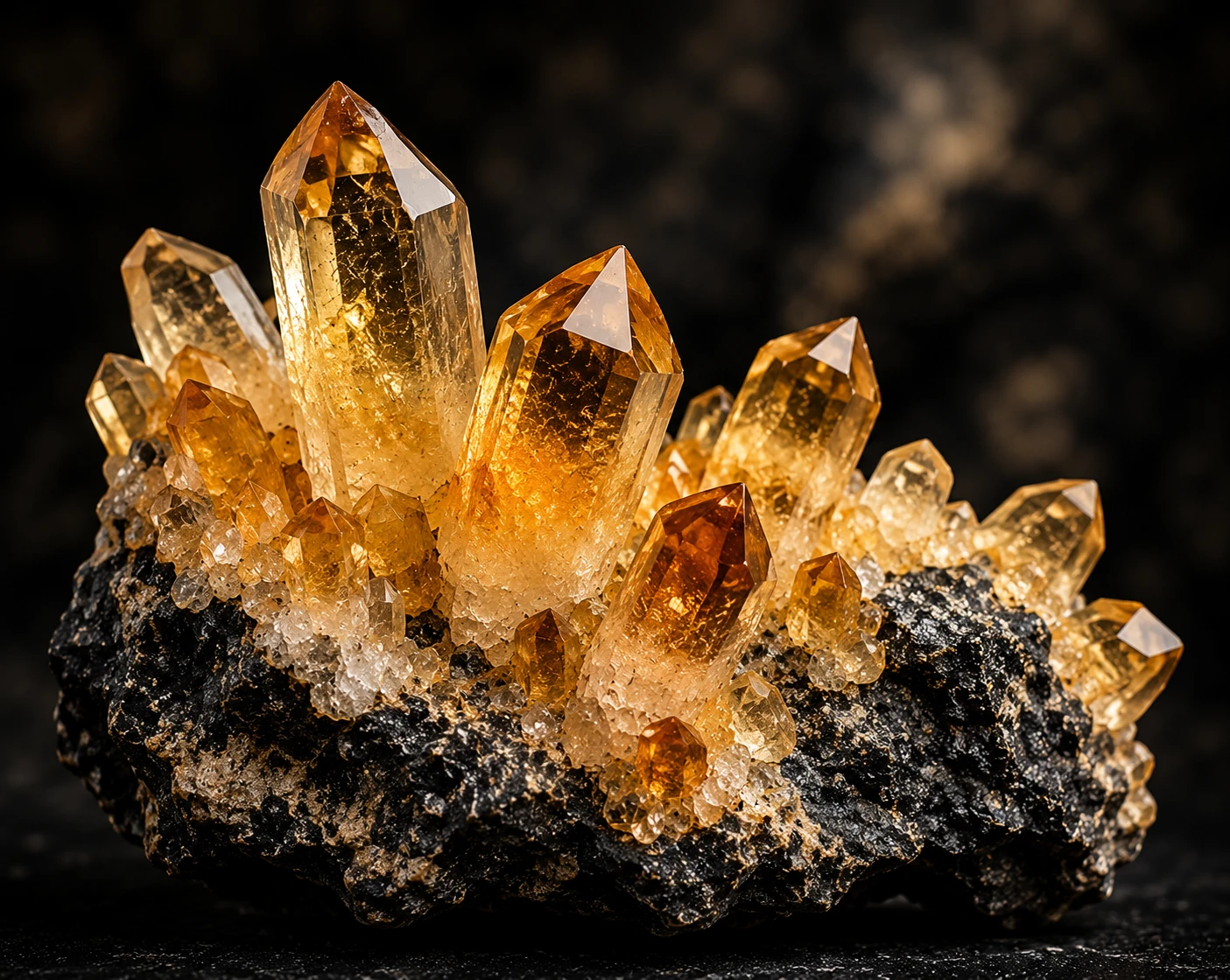
Citrine
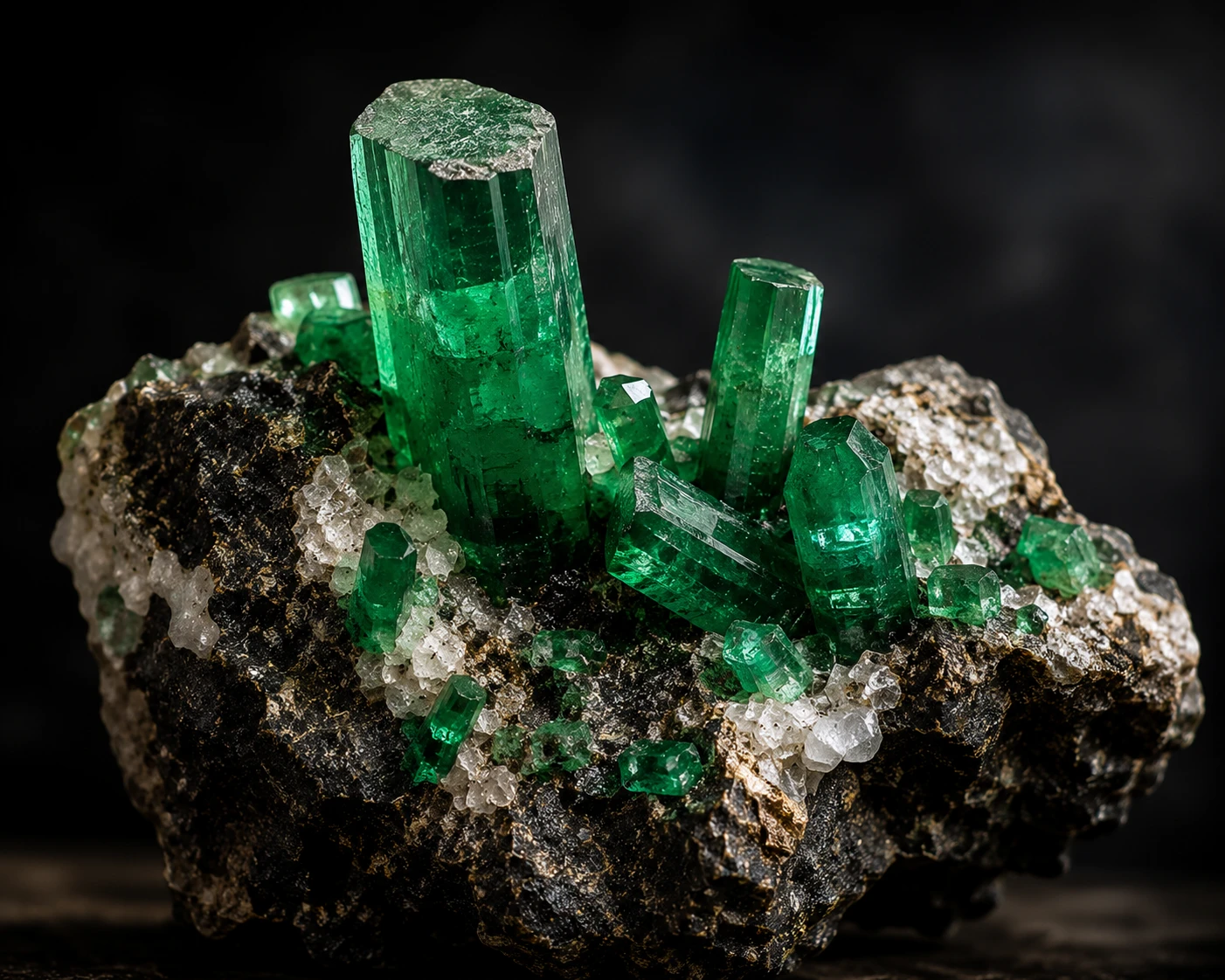
Emerald
Garnet
Green Onyx
Labradorite
Larimar
London Blue Topaz
Malachite
Opal
Peridot
Rainbow Moonstone
Rose Quartz
Ruby
Sapphire
Sky Blue Topaz
Smoky Quartz
Tanzanite
Tourmaline
Turquoise
White Topaz
Shop By
Explore our curated collections
Birthstone
Discover by your birth monthZodiac Sign
Find your astrological match
Your Cart
Your Cart is empty
Continue ShoppingWishlist (0)
Your wishlist is currently empty.
SUGGESTED FOR YOU
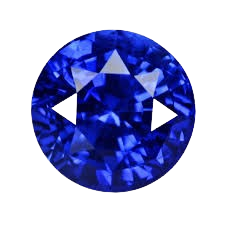
Sapphire Gemstone Buying Guide: Meaning, Symbolism, Pricing, & More
Sapphires have been around forever, but they've never really faded out of relevance. Part of that is durability. A sapphire ranks 9 on the Mohs scale, which basically means it can handle daily wear without much fuss. But that's not the main reason people notice it.
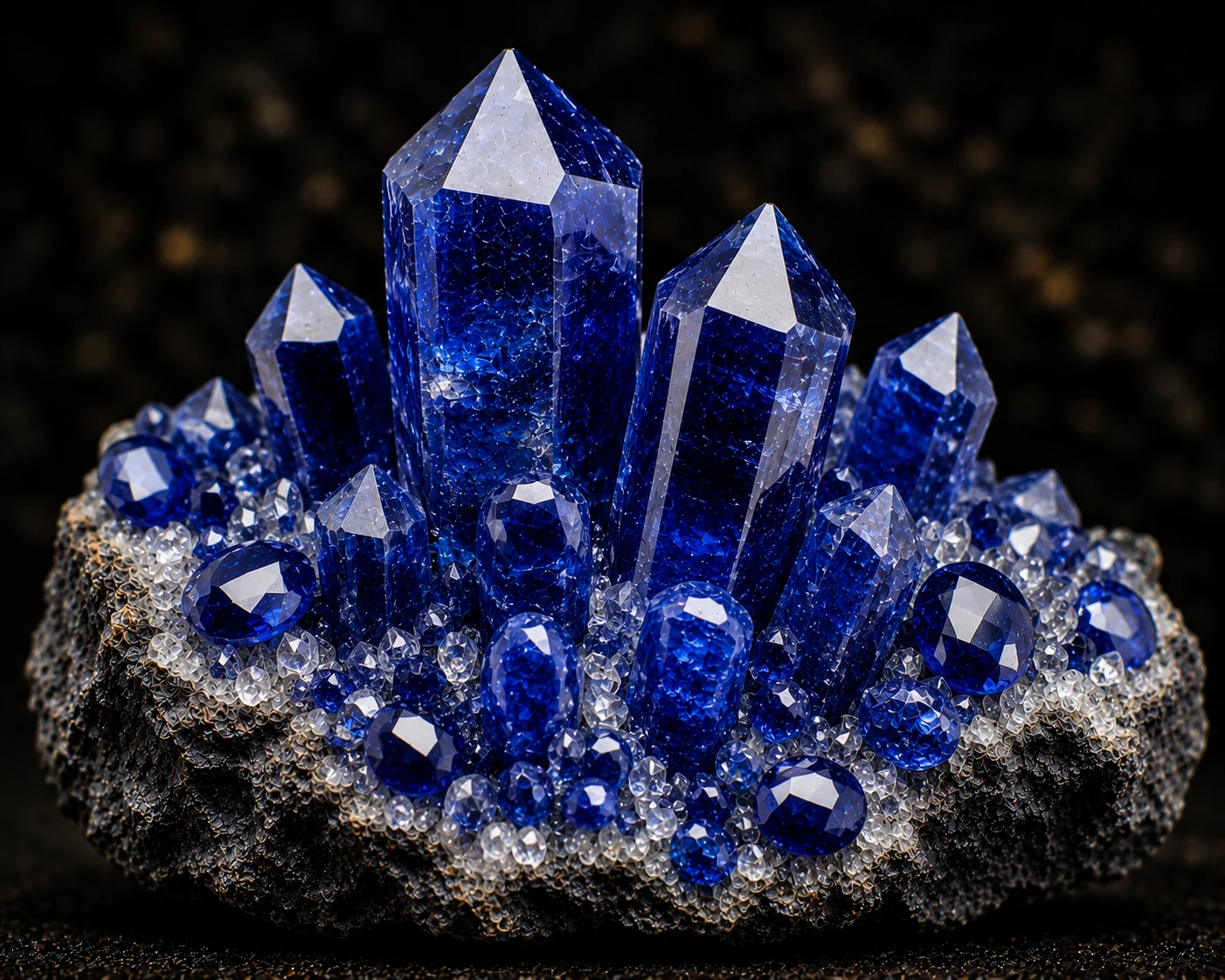
It's the depth, especially in blue sapphire gemstones. The color doesn't sit flat on the surface. It shifts slightly depending on light, sometimes darker, sometimes brighter. That's usually what pulls people in. And more often than not, that's the moment they decide to buy sapphire gemstone pieces instead of something more predictable.
What is a Sapphire?
A natural sapphire gemstone is part of the corundum family. Same as ruby. The only difference is color. If it's red, it's ruby. Everything else gets classified as sapphire. And "everything else" is a wide range. Most people immediately think of blue, which makes sense. Blue sapphire gemstones are the most recognized. But sapphires actually show up in more shades than people expect. You'll see them across all types of sapphire gemstone jewelry, from classic designs to more minimal pieces. The stone doesn't limit styling. It adjusts.
Sapphire: The September Birthstone
Sapphire is one of two official birthstones for September, alongside peridot, and it's by far the more prestigious and valuable choice. It's held that position for centuries, making it one of the classic birthstone picks across the board. Beyond birthdays, sapphire is also the traditional gemstone for a 5th wedding anniversary and even more significantly for a 45th anniversary, which makes it a common choice for major life milestones. If you're shopping for a September birthday or anniversary, our birthstone guide covers the full significance and symbolism.
Sapphire Gemstone Meaning
The sapphire gemstone meaning tends to lean toward clarity and structure. Not in a rigid way, more like helping you stay focused when things feel scattered. It's also been linked to honesty and communication for a long time. That's why you'll often hear people connect sapphire to self-expression or clear thinking.
If you look at it from a spiritual angle, what is sapphire stone good for usually comes back to mental clarity and emotional balance. Whether you believe that or not, it's part of the reason people choose to buy blue sapphire gemstone pieces beyond just how they look.
Looking for Real Sapphires? Shop Authentic Blue Sapphire Jewelry at BAUTLR!
Sapphire Gemstone Colors
Sapphire gemstone colors go far beyond blue. You'll come across:
Deep navy and royal blue tones
Soft pinks and peach shades
Yellow and golden variations
White or colorless sapphires
Green and teal hues
Padparadscha (a pink-orange variety, rare and highly prized)
Still, blue sapphire gemstones tend to hold the most attention. Especially when the color is rich and evenly spread across the stone.
Understanding Blue Sapphire Color Grades
Within the blue category, fine distinctions matter. "Cornflower blue" refers to a medium, slightly purplish-blue that's often considered the classic ideal. "Royal blue" is deeper and richer, with more saturation. "Velvet blue" has a velvety matte appearance caused by very fine rutile inclusions (silk texture), which is actually a sign of certain high-quality Burmese stones. "Violetish blue" leans toward purple undertones.
When evaluating blue sapphire gemstones, look for a tone that reads as blue first, regardless of undertones. If it looks too purple, too greenish, or too grayish, the color isn't as valuable. The best blue sapphire gemstones seem to glow even in low light, which is a sign of optimal color saturation.
Padparadscha Sapphire: The Rare Pink-Orange
Padparadscha (a Sinhalese word meaning "lotus blossom") is one of the most distinctive and desirable sapphire varieties. It sits between pink and orange, with true examples showing both tones simultaneously. Fine padparadscha sapphires cost $100-$1,000+ per carat, rivaling fine blue sapphires in price. They're rarest from Ceylon (Sri Lanka) and increasingly difficult to source. If you encounter padparadscha, understand that heat treatment is common and can artificially create this color, so certification matters heavily.
Sapphire Properties & Benefits
There's a practical side to sapphire that people don't always think about first. It's tough, really tough. That hardness makes it suitable for everyday jewelry without constant worry. Beyond that, the appeal shifts depending on what you're looking for. Some people focus purely on aesthetics; others look at the symbolic side.
When people ask what is sapphire stone good for, the answers usually land somewhere between focus, calmness, and mental clarity. It's also commonly linked to communication, which is why it's often associated with the throat chakra. Is sapphire good for the throat chakra? That's the belief. It's said to support expression and clarity in speech. Not something you can measure, but it's a consistent idea across different traditions.
Inclusions in Sapphire (What to Expect)
A natural sapphire gemstone isn't perfectly clean, and that's normal. You might notice fine internal lines, tiny crystal inclusions, or soft silk-like patterns inside the stone. These are part of its structure. Not flaws in the usual sense. Completely flawless sapphires exist, but they're rare, and expensive. A few inclusions don't really take away from the look. But if they start blocking light or making the stone appear cloudy, that's when it affects quality.
One specific inclusion pattern worth knowing about: "silk" or rutile needles arranged in three directions that create a star effect under cabochon cutting. These star sapphires are beautiful but valued differently — usually 50-70% less per carat than faceted sapphires of comparable color and size. Not worse, just different. Some buyers specifically seek star sapphires for their unique optical effect; others avoid them for the same reason.
How to Choose a Quality Sapphire
1. Color
This is where most of the value sits. With blue sapphire gemstones, you're looking for depth. A strong, vivid blue that doesn't feel too dark or washed out. If the color looks uneven, it usually impacts the sapphire gemstone price. The finest blue sapphires show a saturation that seems to glow — like the color has depth rather than just sitting on the surface. Avoid stones that appear almost black (too dark) or overly grayish (insufficient saturation).
2. Clarity
Perfection isn't the goal here; slight inclusions are expected. What matters is whether the stone still looks clean to the eye and allows light to pass through without feeling dull. One practical test: look at the stone under strong light from the side. You should see light passing through the stone cleanly. If you see dark areas or cloudiness, the clarity grade is lower than ideal.
3. Cut
Cut controls how the stone interacts with light. A well-cut sapphire reflects evenly and feels more alive. A poor cut can flatten the color, even if everything else is good. The standard sapphire cuts are oval, cushion, and round brilliant. Fancy cuts exist but are less common. A well-proportioned cut maximizes color saturation while maintaining durability — the facets should meet cleanly without visible irregularities.
4. Carat
Size changes both appearance and cost. Larger stones are harder to find with good color and clarity, which is why the sapphire gemstone price increases with carat weight. One practical note: sapphire has higher density than diamond, so a 1-carat sapphire appears smaller than a 1-carat diamond. If you're accustomed to diamond sizing, a sapphire gemstone will look modest by comparison at the same carat weight.
Origin & Treatment
Most sapphires are heat-treated. It's standard practice to improve color and clarity. Untreated stones are rarer and usually priced higher. If you plan to buy sapphire gemstone, this is something worth checking.
1. Heat Treatment
Heat treatment comes in varying degrees. "Minor" heat treatment is a gentle warming that improves color saturation without significantly altering the stone's structure. "Moderate" heating pushes temperatures higher and may fill some surface fractures with glass-like substances. "Aggressive" heat treatment can dramatically alter appearance and durability. Ask your seller specifically what level of treatment the stone has received — legitimate dealers will have this information.
2. Geographic Sourcing
Geographic sourcing matters enormously. Kashmir sapphires (1880s-1920s mining era) command premiums for velvety texture and deep blue color; current Kashmir material is extremely rare and expensive. Burmese (Mogok) sapphires are prized for their cornflower blue and exceptional clarity. Ceylonese (Sri Lankan) sapphires tend slightly lighter and more pastel in tone. Tanzanian and Australian material offers good value but generally doesn't match the saturation of top sources. Ethical sourcing and responsible mining are something we take seriously, which you can read more about on our sustainability page.
3. Lab-Created Gems
Lab-created sapphires are chemically identical to natural sapphires and cost 40-50% less. They're increasingly indistinguishable without specialized testing, which makes them appealing for budget-conscious buyers. However, they lack the rarity and investment value of natural sapphires. If you're buying as an heirloom or investment piece, natural is the smarter choice.
Sapphire Gemstone Price & Cost Factors
Pricing can feel inconsistent if you don't know what you're looking at. Two sapphires might look similar at first, but the difference shows up once you look closer. A few things usually drive the sapphire gemstone price:
Depth and consistency of color (cornflower and royal blue command premiums)
Clarity and visibility of inclusions
Size of the stone
Origin (Kashmir and Burmese cost 3-5x more than Ceylon or Australian)
Whether it's treated or untreated
Whether it's faceted or star sapphire
High-quality blue sapphire gemstones with strong color and minimal treatment tend to sit at the higher end of the price range. At BAUTLR, you can find sapphire jewelry starting from $89. Each piece is skillfully crafted with deep attention to detail. The jewelry you'll find here is hand-crafted, sustainable, and unique.
For loose stones: lower-quality or heavily treated sapphires run $5-$25 per carat. Mid-range, eye-clean stones typically cost $50-$200 per carat. Fine quality sapphires with good color and minimal treatment run $200-$500+ per carat. Exceptional Burmese or Kashmir material can exceed $1,000-$5,000+ per carat. These are wholesale figures; retail prices will be higher.
Sapphire as an Engagement Ring Stone
Sapphire has become increasingly popular as an engagement ring choice, partly inspired by the British Royal Family's sapphire engagement rings. Unlike diamonds, which can feel impersonal, sapphire offers color and personality while maintaining durability. At 9 on the Mohs scale, it can handle daily wear as well as any gemstone.
If you're considering buy blue sapphire gemstone for engagement purposes, prioritize protection. A bezel setting or halo design that wraps around the stone offers more security than an exposed solitaire, especially important since sapphire can chip at the edges with heavy contact.
Sapphire in Jewelry
There's a reason sapphire gemstone jewelry hasn't gone out of style. It's adaptable. Rings tend to bring out the depth of the stone the most. Earrings and pendants are a bit more subtle but still noticeable. The color does enough on its own, so the design doesn't need to overcomplicate things.
For rings specifically, consider how much the piece will be worn. Daily-wear rings benefit from protective settings that guard the edges. Occasional-wear pieces can have more open designs that showcase the stone.
Authenticity Check: Fluorescence Under UV Light
A quick authenticity check for natural sapphires: genuine sapphires often show fluorescence (a red or orange glow) under shortwave UV light, especially Burmese and Thai stones. Lab-created sapphires typically show little or no fluorescence. This isn't foolproof — some natural sapphires fluoresce weakly — but it's a helpful additional data point if you're evaluating a stone.
Caring for Your Sapphire Gemstone Jewelry
Sapphire's hardness makes it low-maintenance compared to softer stones, but care still matters. Avoid sudden temperature changes, which can cause cracking. Clean with warm soapy water and a soft brush — ultrasonic and steam cleaners are generally safe for untreated sapphires but risky for heat-treated material where resin fillings might loosen.
Store sapphire jewelry separately from softer gemstones (since sapphire is hard enough to scratch them) and from harder gemstones like diamond (since diamond can scratch sapphire). Annual check-ups at a jeweler ensure the setting remains secure.
Why Buy Sapphire?
Some stones feel seasonal; sapphire doesn't. It's steady, and easy to wear, but still has presence. That's why people continue to buy sapphire gemstone pieces even with so many options available. If you're leaning toward something classic, many go straight to buy blue sapphire gemstone designs. Not because it's the only choice, but because it rarely feels out of place.
Shop Real Blue Sapphire Jewelry at BAUTLR Today!
Hello! How can I help you?